How Riverside Hard Water Can Quietly Destroy Your HVAC System Components
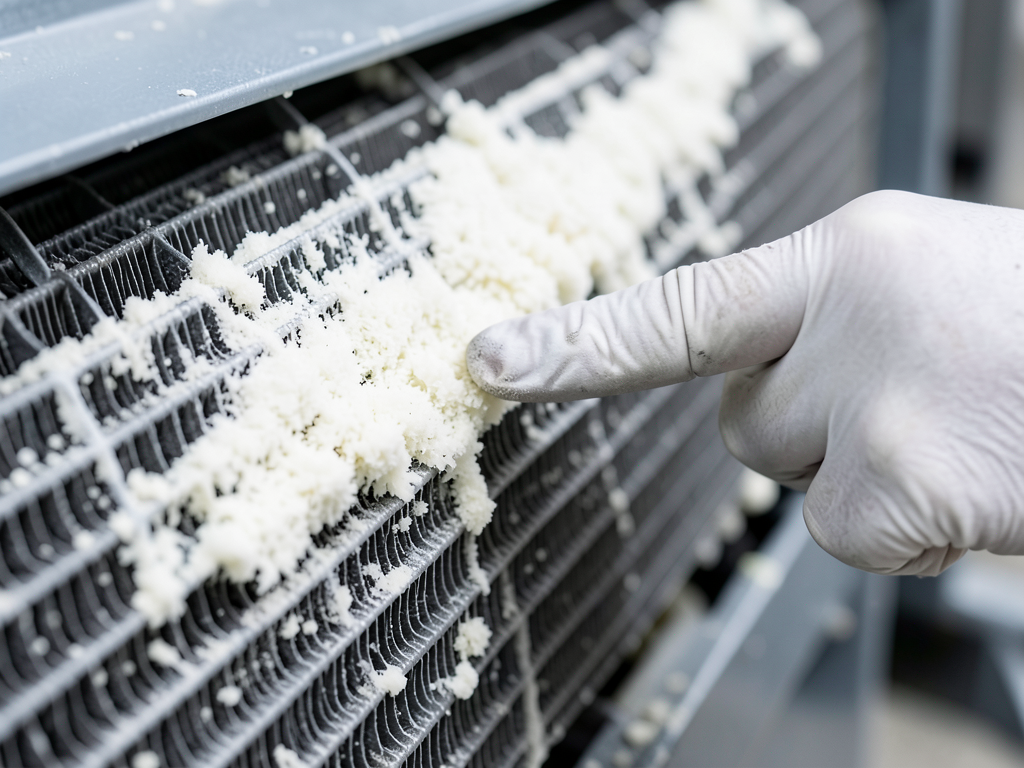
Riverside’s water supply contains high levels of dissolved minerals like calcium and magnesium. These minerals flow through your home’s plumbing and into your HVAC system where they create problems you might not see until it’s too late. When heated inside your furnace or air conditioner, these minerals form a chalky white substance called limescale that coats critical components and reduces efficiency. Riverside Public Utilities water quality report.
The Santa Ana River Basin provides much of Riverside’s water, and the geological composition of the area means the water picks up significant mineral content as it travels. Your HVAC system’s heat exchangers, condensate lines, and even integrated water heaters are constantly exposed to this mineral-rich water. Over time, this exposure leads to scale buildup that insulates heat transfer surfaces, clogs drainage pathways, and forces your system to work harder than designed.
Homeowners in Canyon Crest, Orangecrest, and Woodcrest often notice white crusty deposits on faucets and showerheads. What they don’t realize is that the same minerals are quietly accumulating inside their HVAC components. A thin layer of scale just one millimeter thick can reduce heat transfer efficiency by up to 10 percent. This means higher energy bills, longer run times, and premature component failure. Switching to a High Efficiency Heat Pump in Riverside to Save on Monthly Energy Bills.
The problem compounds during Riverside’s hot summers when your air conditioner runs constantly. The constant cycling of mineral-rich condensate through drain lines creates perfect conditions for scale buildup. By the time you notice reduced cooling or hear unusual sounds from your system, significant damage may already be present.
Why Riverside Water Hardness Levels are a Risk to Local Homeowners
Riverside Public Utilities reports water hardness levels between 180 and 300 milligrams per liter, which translates to 10 to 18 grains per gallon. This places Riverside’s water in the “very hard” category according to the U.S. Geological Survey scale. For comparison, water under 60 mg/L is considered soft, while anything above 180 mg/L is classified as very hard. U.S. Geological Survey water hardness scale.
The high mineral content stems from Riverside’s location in the Santa Ana River watershed. As water moves through sedimentary rock layers, it dissolves calcium carbonate and magnesium compounds. Western Municipal Water District, which serves many Riverside neighborhoods, sources water from both local groundwater and imported supplies, but the mineral content remains consistently high regardless of source.
Heat accelerates the precipitation of these dissolved minerals. When your furnace’s heat exchanger warms water for the humidifier or when condensate forms on your AC’s evaporator coils, the minerals fall out of solution and bond to metal surfaces. This process happens faster in Riverside than in areas with softer water because of the higher mineral concentration. Reliable Furnace Repair in Riverside to Keep Your Family Warm This Winter.
Commercial buildings in Riverside’s warehouse districts face even greater challenges. Large HVAC systems process more water and run longer cycles, creating more opportunities for scale formation. The Inland Empire’s combination of hard water and extreme temperature swings creates a perfect storm for HVAC component degradation. Commercial Duct Cleaning.
Common Symptoms of Hard Water HVAC Damage
Limescale Buildup in Heat Exchangers
Heat exchangers are the heart of your furnace and air conditioner. These metal coils transfer heat between the air and refrigerant or between combustion gases and air. When limescale coats these surfaces, it acts as an insulator, preventing efficient heat transfer.
You might notice your system running longer cycles to reach the desired temperature. The thermostat may show the system is running but your home never quite gets as cool or warm as it should. Energy bills creep up because your system works overtime to compensate for the reduced efficiency.. Read more about Why Your Swimming Pool Might Be Making Your Outdoor AC Unit Rust Faster.
Technicians can often see scale buildup during routine maintenance. The heat exchanger surfaces appear white or off-white instead of the clean metal finish they should have. In severe cases, scale flakes off and collects in the bottom of the furnace or AC unit, creating another set of problems.
Clogged Condensate Lines and Drainage Issues
Your air conditioner produces significant condensation during operation, especially in Riverside’s humid summer months. This water travels through a network of drain lines designed to carry it safely away from your home. Hard water minerals in this condensate gradually build up inside these narrow pipes.
Clogged condensate lines cause water to back up into your system. You might notice water pooling around your indoor unit or even water damage to walls and floors. The system may shut down completely as a safety measure when it detects the blockage.
The problem accelerates in Riverside’s older neighborhoods where drain lines may already have partial blockages from years of use. Combined with mineral scale, these lines can become completely obstructed within a single cooling season.
Reduced Humidifier Performance and Water Heater Issues
Many Riverside homes use whole-house humidifiers integrated with their HVAC systems. These units rely on water passing through small orifices and over evaporator pads. Hard water minerals quickly clog these components, reducing humidity output and potentially causing the humidifier to fail completely.
The same scale that affects your HVAC components also impacts your tankless water heater if you have one. These high-efficiency units depend on precise water flow through narrow channels. Scale buildup can reduce flow rates, cause overheating, and trigger safety shutdowns.
Even standard tank-style water heaters suffer in Riverside’s hard water conditions. Scale accumulates on heating elements and the tank bottom, reducing efficiency and potentially causing premature failure of the unit.
The Financial Cost: Efficiency Loss vs. Repair Expenses
The impact on your wallet starts subtly but compounds over time. A heat exchanger with just 1.5 millimeters of scale buildup can reduce efficiency by 15 to 20 percent. For a typical Riverside home with a 3-ton AC unit, this translates to approximately 2 to 3 extra hours of run time per day during peak summer months.
Energy costs in Riverside average around 22 cents per kilowatt-hour. A 20 percent efficiency reduction on a system that uses 3,500 watts per hour means an additional $1.50 per day in electricity costs during the cooling season. Over four months, that’s $180 in wasted energy.
Repair costs escalate quickly once scale damage progresses. Heat exchanger replacement typically ranges from $800 to $2,500 depending on your system. Condensate line cleaning and repair averages $150 to $400. Humidifier component replacement can cost $200 to $600. Same Day Emergency AC Repair for Families in Orangecrest.
Complete system failure becomes a real possibility in severe cases. When scale buildup causes a heat exchanger to crack or a compressor to overheat, replacement often makes more financial sense than repair. New HVAC system installations in Riverside range from $5,000 to $12,000 depending on size and efficiency rating. How Much Does a New AC Installation Cost in Woodcrest Today?.
| Component Affected | Typical Scale Damage | Repair Cost Range | Prevention Cost |
|---|---|---|---|
| Heat Exchanger | Reduced efficiency, potential cracking | $800 – $2,500 | $200 – $400 annual descaling |
| Condensate Lines | Clogs, water damage, system shutdown | $150 – $400 | $100 – $200 annual cleaning |
| Humidifier | Clogged orifices, reduced output | $200 – $600 | $50 – $150 filter replacement |
| Water Heater (Tankless) | Reduced flow, overheating, shutdowns | $800 – $1,500 | $150 – $300 annual descaling |
Prevention Strategies: Water Softeners and HVAC Maintenance
The most effective long-term solution for Riverside’s hard water problem is installing a whole-house water softener. These systems use ion exchange to replace calcium and magnesium ions with sodium or potassium ions before the water enters your home’s plumbing.
Water softeners typically cost between $1,200 and $2,500 installed, with annual maintenance costs of $100 to $200 for salt or potassium pellets. When sized correctly for your home, a water softener can reduce scale buildup by 95 percent or more throughout your entire plumbing system.
For homeowners who cannot install water softeners due to rental agreements or other constraints, scale inhibitors offer a partial solution. These devices use polyphosphates or other chemicals to keep minerals suspended in water rather than allowing them to precipitate out as scale.
Regular HVAC maintenance becomes even more critical in Riverside’s hard water conditions. Annual professional cleaning should include heat exchanger inspection, condensate line flushing with specialized descaling solutions, and humidifier component cleaning or replacement.
DIY maintenance steps can help between professional visits. Monthly inspection of condensate drain lines for visible blockages, keeping the area around your HVAC unit clean and dry, and monitoring your system’s performance for changes in run times or cooling output can help catch problems early.
Professional Riverside HVAC Solutions and Inspections
Local HVAC technicians understand Riverside’s unique water challenges and can recommend solutions specific to your home’s needs. They can test your water hardness, inspect existing components for scale damage, and create a maintenance plan that addresses your specific situation.
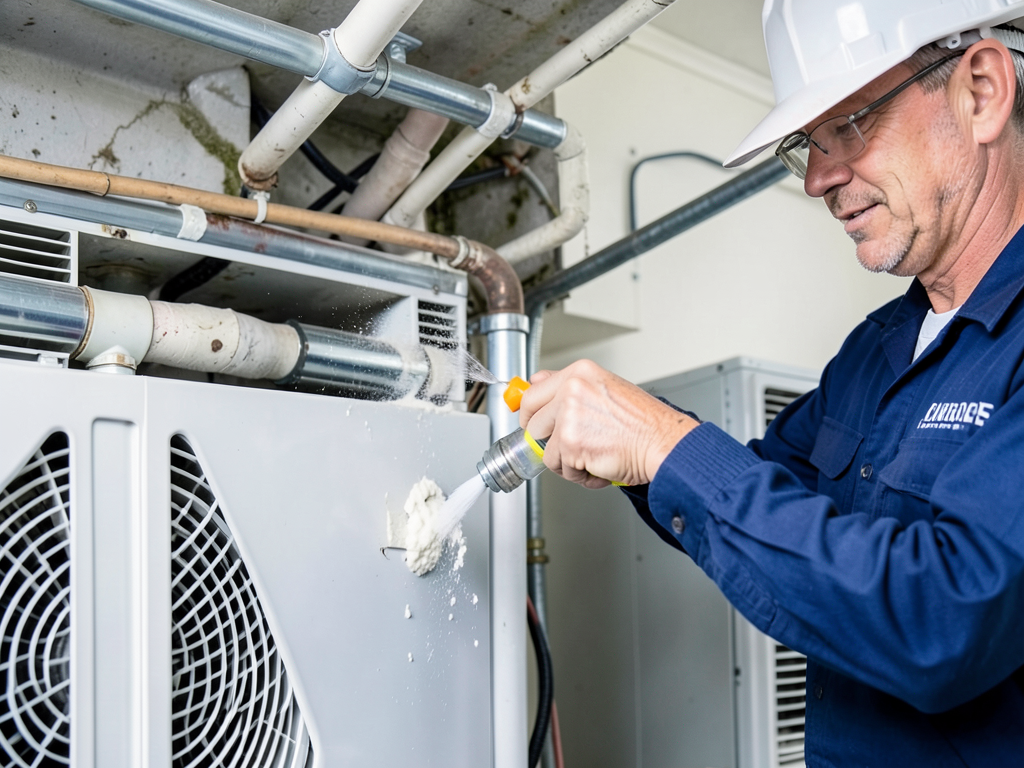
Professional descaling services use commercial-grade acidic solutions that dissolve mineral buildup without damaging metal components. These treatments typically cost $150 to $300 and should be performed annually in Riverside’s hard water conditions.
During inspections, technicians look for specific signs of hard water damage. White chalky deposits on heat exchanger surfaces, reduced water flow through humidifier components, and scale buildup in condensate drain lines all indicate the need for immediate intervention.
Some Riverside HVAC companies now offer hard water protection packages that combine water testing, component inspection, and preventative treatments. These annual service agreements typically cost $200 to $400 and can prevent thousands in future repair costs.
Commercial properties in Riverside’s industrial areas may benefit from larger-scale water treatment solutions. These can include point-of-use filtration for individual HVAC units or centralized water softening systems for entire buildings.
The key to protecting your HVAC investment in Riverside is understanding that hard water damage is gradual but cumulative. Small amounts of scale buildup each year eventually lead to significant efficiency losses and component failures. Proactive maintenance and water treatment represent the most cost-effective approach to preserving your system’s performance and longevity.
Frequently Asked Questions
How do I know if my HVAC system has hard water damage?
Signs include reduced cooling or heating efficiency, longer run times, unusual noises from the system, water pooling around indoor units, and visible white scale deposits on accessible components. A professional inspection can confirm the extent of any damage.
Can I install a water softener just for my HVAC system?
While possible, it’s generally more cost-effective to install a whole-house water softener. Point-of-use systems for HVAC units alone typically cost $500 to $800 and don’t address the broader plumbing issues caused by hard water throughout your home.
How often should I have my HVAC system cleaned in Riverside?
Annual professional cleaning is recommended for most homes. If you notice signs of scale buildup or reduced system performance, more frequent service may be necessary. Homes with water softeners may extend service intervals to every 18 to 24 months.
Does hard water damage affect my HVAC warranty?
Scale damage from hard water is typically considered a maintenance issue rather than a manufacturing defect. Most manufacturers require regular maintenance and may void warranties if damage results from neglect or failure to address known water quality issues.
What’s the difference between descaling and regular cleaning?
Regular cleaning removes dust, debris, and biological growth. Descaling specifically targets mineral deposits using acidic solutions that dissolve calcium and magnesium compounds. Both services are important, but descaling addresses the unique challenges posed by Riverside’s hard water.
[IMAGE_PLACEHOLDER_3>
Don’t let Riverside’s hard water silently destroy your HVAC system. The gradual buildup of scale affects efficiency, increases energy costs, and leads to expensive repairs. Professional inspection and maintenance can identify problems early and recommend the right prevention strategy for your home.
Call (951) 223-9644 today to schedule your comprehensive HVAC inspection. Our technicians understand Riverside’s unique water challenges and can help protect your system from costly hard water damage. Pick up the phone and call (951) 223-9644 before small scale problems become major system failures.