
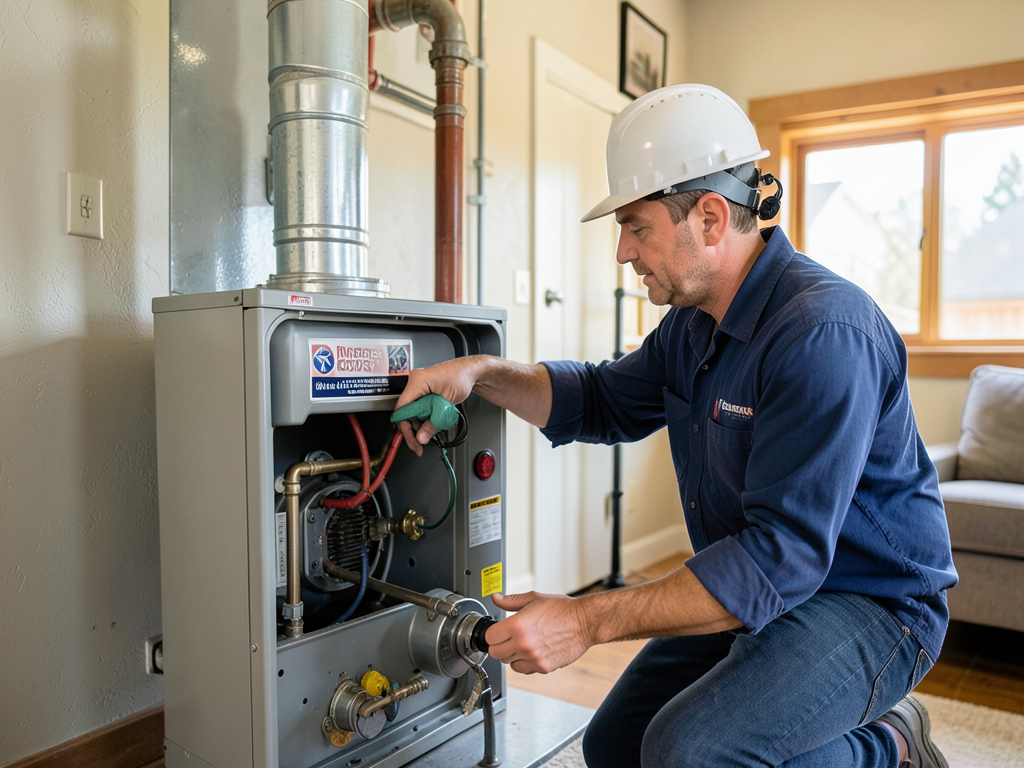
Propane vs Electric Heating for Rural Homes in the Outskirts of Woodcrest
Homeowners in the outskirts of Woodcrest face a unique challenge when it comes to heating their rural properties. Many homes sit outside the natural gas grid making propane and electric the two main options. With Southern California Edison electricity rates averaging 29 cents per kilowatt hour and propane delivery in Riverside County costing about $3.50 per gallon the decision comes down to more than just initial price tags. South Coast Air Quality Management District.
The mild but variable climate of Woodcrest means winters rarely drop below freezing but nighttime temperatures can dip into the 30s. This creates a specific heating demand profile where efficiency and reliability matter more than raw heating power. Electric heat pumps have gained popularity in recent years offering both heating and cooling but propane furnaces still provide consistent heat output regardless of outdoor temperature. Reliable Furnace Repair in Riverside to Keep Your Family Warm This Winter.
Understanding the real cost differences requires looking at installation prices maintenance needs and long-term operating expenses. Electric systems typically cost less upfront but may have higher monthly bills while propane systems need fuel storage tanks and regular deliveries. Local building codes also play a role with Riverside County requiring permits for both propane tank installation and major HVAC system changes. Riverside County Building Department.
Cost Analysis Installation vs Monthly Operating Expenses in Riverside
Initial installation costs vary significantly between the two systems. A standard electric furnace installation including ductwork modifications ranges from $3,500 to $6,000. Propane furnaces with comparable heating capacity cost between $4,000 and $7,500 to install. The higher propane furnace cost reflects the need for specialized venting and safety controls required by the South Coast Air Quality Management District (SCAQMD) ultra-low NOx standards. How Much Does a New AC Installation Cost in Woodcrest Today?.
Monthly operating costs tell a different story. A 60,000 BTU propane furnace burning at 90% efficiency costs approximately $1.75 per hour to operate based on current Riverside County propane prices. An electric furnace providing the same heat output at 100% efficiency costs about $1.45 per hour at current SCE rates. However heat pumps can deliver the same heating for as little as $0.85 per hour in moderate temperatures. Switching to a High Efficiency Heat Pump in Riverside to Save on Monthly Energy Bills.
Over a typical 1,500 hour heating season a propane furnace costs around $1,050 while an electric resistance furnace costs about $900. A heat pump would cost approximately $525 for the same period. These numbers assume average winter temperatures and do not account for the higher efficiency of modern propane furnaces which can reach 98% AFUE ratings.
Performance in the Inland Empire Climate
Woodcrest experiences mild winters with average January lows around 38 degrees Fahrenheit. This climate favors heat pumps which lose efficiency below 35 degrees but excel in the 40 to 60 degree range. Propane furnaces maintain consistent output regardless of outdoor temperature making them reliable during cold snaps.
Humidity levels in the Woodcrest area typically range from 20% to 60% depending on the season. Electric heat pumps naturally dehumidify during cooling mode but propane combustion produces water vapor that can affect indoor humidity. This matters for homes with older construction or poor vapor barriers.
Wind patterns in the area can impact both systems. Santa Ana winds bring dry air that increases heating demand while also creating dust that clogs filters faster. Propane systems require less filter maintenance but need annual combustion chamber cleaning. Electric systems need quarterly filter changes in dusty conditions. Commercial Duct Cleaning.
Efficiency Ratings AFUE vs HSPF Explained
Understanding heating efficiency requires knowing the difference between AFUE and HSPF ratings. AFUE Annual Fuel Utilization Efficiency measures how much heat a propane furnace produces from each unit of fuel. Modern propane furnaces achieve 80% to 98% AFUE meaning 98% of the fuel energy becomes usable heat.
HSPF Heating Seasonal Performance Factor measures heat pump efficiency across an entire heating season. Current heat pumps achieve 8.5 to 12 HSPF with higher numbers indicating better efficiency. A heat pump with 10 HSPF produces 10 BTUs of heat for every watt hour of electricity consumed.
California Title 24 energy efficiency standards require new heating systems to meet minimum efficiency ratings. Propane furnaces must achieve at least 80% AFUE while heat pumps need 8.5 HSPF minimum. These requirements ensure all new installations meet basic energy conservation goals. California Energy Commission.
Heat pump performance drops significantly in cold weather. At 47 degrees a typical heat pump delivers about 100% of rated heating capacity. At 17 degrees output falls to 76% and electricity consumption increases by 20% to maintain the same indoor temperature.
Local Rebates and Incentives for Riverside Homeowners
California offers several rebates for high efficiency heating systems through the TECH Clean California program. Homeowners installing qualified heat pumps can receive up to $3,000 in rebates depending on income level and system specifications. Propane furnaces qualify for smaller rebates typically $200 to $500 for meeting ultra-low NOx emissions standards.
Riverside Public Utilities offers additional incentives for electric heating systems including heat pumps. These rebates can cover up to 30% of installation costs for qualifying high efficiency units. The utility also provides free energy audits to help homeowners identify the most cost effective heating solutions.
Federal tax credits through 2026 allow homeowners to deduct 30% of qualified heat pump installation costs up to $2,000. Propane furnace installations do not qualify for these credits but may be eligible for local utility rebates through propane suppliers.
California’s move toward electrification affects future costs. The state plans to phase out natural gas in new construction by 2030 which could increase propane delivery costs as the customer base shrinks. Electric rates may also rise as the grid transitions to renewable energy sources.
Pros and Cons A Side by Side Comparison
| Feature | Propane Furnace | Electric Heat Pump |
|---|---|---|
| Installation Cost | $4,000 – $7,500 | $3,500 – $6,000 |
| Operating Cost per Hour | $1.75 | $0.85 – $1.45 |
| Lifespan | 15 – 20 years | 10 – 15 years |
| Maintenance Needs | Annual cleaning required | Quarterly filter changes |
| Performance in Cold | Consistent output | Reduced efficiency below 35°F |
| Rebate Eligibility | Limited utility rebates | Up to $3,000 state rebates |
| Environmental Impact | Direct emissions | No direct emissions |
Verdict Which System Wins for Riverside
For most rural Woodcrest homes the heat pump emerges as the better long term choice. The mild winter climate allows heat pumps to operate at peak efficiency for most of the heating season. Combined with available rebates and lower operating costs the total cost of ownership favors electric systems.
Propane furnaces still make sense for specific situations. Homes with poor insulation or large open floor plans may need the consistent high heat output of propane. Properties at higher elevations where temperatures frequently drop below freezing also benefit from propane reliability.
Hybrid systems offer a compromise solution. These units use a heat pump for most heating needs but switch to propane when temperatures fall below the heat pump’s efficient operating range. This provides the best of both worlds but increases installation complexity and cost.
Future energy trends favor electric systems. California’s building codes increasingly favor electrification and propane delivery infrastructure may become less reliable as demand decreases. Electric systems also integrate better with solar panels and battery storage systems that many homeowners are adding.
The final decision depends on specific home characteristics and usage patterns. A professional load calculation considering insulation levels window efficiency and local climate data provides the most accurate recommendation. This analysis typically costs $200 to $400 but prevents costly mistakes in system selection.
Installation and Maintenance Considerations
Propane tank installation requires permits from Riverside County and must comply with SCAQMD regulations. Tanks need setback distances from property lines and buildings typically 10 feet minimum. Underground tanks cost more to install but preserve property aesthetics and may qualify for additional rebates.
Electric systems require proper electrical service capacity. Most heat pumps need a dedicated 240 volt circuit with 30 to 50 amp capacity. Older homes may need electrical panel upgrades costing $1,500 to $3,000 before heat pump installation becomes possible.
Maintenance requirements differ significantly between systems. Propane furnaces need annual professional cleaning to remove soot and check combustion efficiency. Heat pumps need quarterly filter changes and annual coil cleaning. Both systems benefit from professional tune ups every two years to maintain efficiency.
Emergency repair considerations matter for rural properties. Propane systems can operate during power outages with proper backup systems while electric heat pumps require continuous power. This reliability factor may influence decisions for homeowners who experience frequent power interruptions. Same Day Emergency AC Repair for Families in Orangecrest.
Making the Right Choice for Your Home
The best heating system depends on your specific situation. Consider your home’s insulation quality age of existing system and local energy rates. Factor in available rebates and your plans for future home improvements like solar panel installation.
Professional HVAC contractors can perform detailed load calculations using Manual J standards. This analysis considers square footage insulation levels window types and local climate data to recommend the properly sized system. Oversized or undersized systems cost more to operate and may fail prematurely.
Consider the environmental impact of your choice. Heat pumps produce no direct emissions and can operate on renewable electricity. Propane produces carbon dioxide and other emissions but modern ultra-low NOx furnaces minimize environmental impact compared to older models.
Think about long term costs not just initial price. A more expensive heat pump may pay for itself through lower operating costs and rebates within three to five years. Propane systems have lower upfront costs but higher monthly expenses that add up over time.
Call (951) 223-9644 today to schedule your free heating system evaluation. Our NATE certified technicians will analyze your home’s specific needs and provide honest recommendations without pressure. We serve all of Riverside County including the Woodcrest area with emergency service available 24/7.
Frequently Asked Questions
Which heating system costs less to operate in Woodcrest?
Heat pumps typically cost 40% to 60% less to operate than propane furnaces in Woodcrest’s mild climate. The exact savings depend on local electricity and propane rates plus your home’s insulation quality.
Do I need permits for propane tank installation in Riverside County?
Yes Riverside County requires permits for all propane tank installations. The process includes site inspections and compliance with SCAQMD ultra-low NOx emission standards. Underground tanks may need additional engineering approvals.
How long do heat pumps last compared to propane furnaces?
Propane furnaces typically last 15 to 20 years while heat pumps last 10 to 15 years. Heat pump lifespan depends heavily on maintenance quality and local climate conditions. Both systems benefit from professional maintenance every two years.
Can I switch from propane to electric heating myself?
No switching heating systems requires professional installation and permits. Electric heat pumps need proper electrical connections and refrigerant handling by certified technicians. Propane to electric conversions also require removing old equipment safely and updating ventilation systems.
What rebates are available for heating system upgrades?
California offers up to $3,000 in TECH Clean California rebates for qualified heat pumps. Riverside Public Utilities provides additional rebates up to 30% of installation costs. Federal tax credits through 2026 cover 30% of heat pump costs up to $2,000.
How do I know what size heating system I need?
A professional Manual J load calculation determines the correct system size. This analysis considers your home’s square footage insulation levels windows and local climate. Proper sizing prevents energy waste and ensures comfortable heating throughout your home.