Why Riverside Power Surges Can Fry Your AC Compressor (And How to Prevent It)
Living in Riverside means dealing with extreme summer heat that pushes your AC system to its limits. But there’s another threat lurking in your home’s electrical system that could destroy your air conditioner in seconds. Power surges from the local grid can send a massive voltage spike through your AC compressor and instantly fry the sensitive electronics that control modern cooling systems. UL 1449 Surge Protection Standard.
Most Riverside homeowners don’t realize their air conditioner is one of the most vulnerable appliances in their home to electrical surges. When Southern California Edison’s grid experiences fluctuations during peak demand hours or when lightning strikes nearby transformers, your AC compressor can receive thousands of volts in a fraction of a second. This destroys the inverter board, capacitor, and motor windings that keep your system running. Southern California Edison Power Surge Information.
The good news is that protecting your AC from power surges costs a fraction of what replacing a fried compressor would cost. A properly installed surge protector for your air conditioning system can block these dangerous voltage spikes and extend the life of your equipment by years.
Why Riverside Homes Are Especially Vulnerable to Power Surges
Riverside’s electrical infrastructure faces unique challenges that increase surge risks. The Inland Empire’s rapid growth has stretched the capacity of aging power lines and transformers. During summer afternoons when everyone runs their AC at full blast, the grid becomes unstable and voltage fluctuations become common.
Local utility data shows that Riverside Public Utilities and Southern California Edison experience more brownouts and voltage sags than coastal areas. When the power comes back on after an outage, it often returns with a surge that can damage unprotected equipment. The desert climate also means more lightning strikes during monsoon season, creating additional surge risks for outdoor AC units. HVAC Palm Desert.
Modern AC systems are particularly vulnerable because they use sophisticated inverter technology. These systems have circuit boards and electronic controls that cost hundreds of dollars to replace. A single surge can destroy multiple components at once, turning a $300 repair into a $3,000 replacement job. Same Day Emergency AC Repair for Families in Orangecrest.
How Power Surges Actually Damage Your AC Compressor
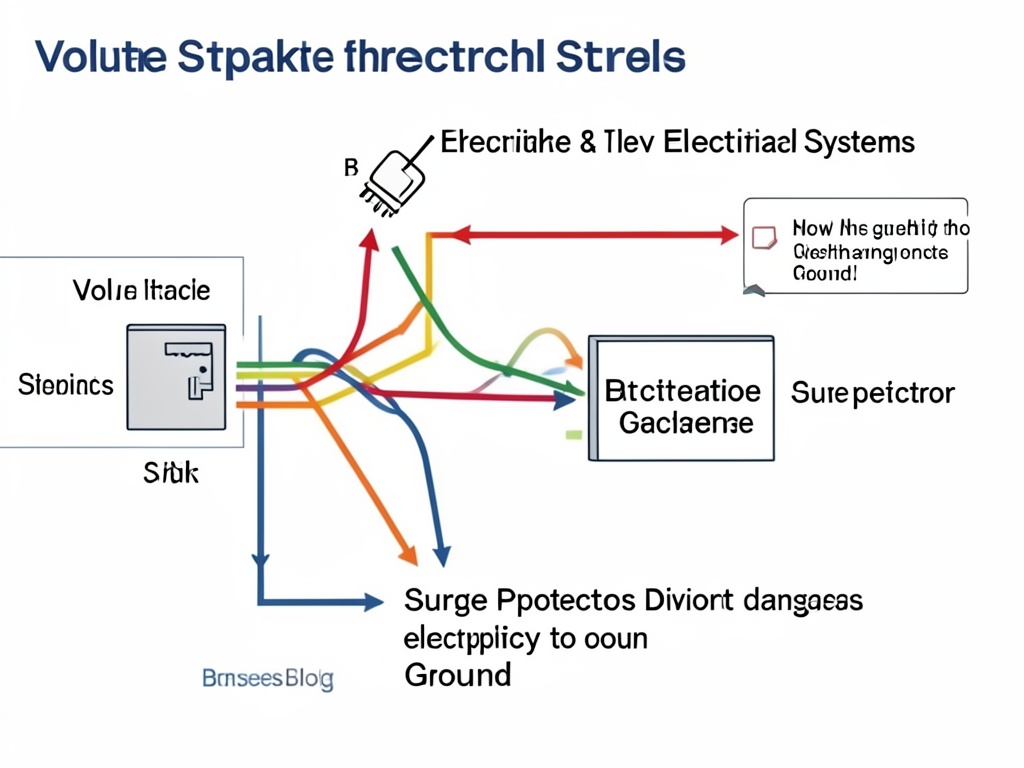
When a voltage spike hits your AC system, it travels through the electrical panel and into the outdoor unit. The surge protective device (SPD) monitors the incoming voltage and acts like a pressure relief valve. When voltage exceeds safe levels, typically above 330 volts for a 240-volt AC circuit, the SPD diverts the excess electricity to ground.
Without protection, the surge travels directly to your compressor’s inverter board. This board controls the variable-speed motor that makes modern AC units so efficient. The sudden voltage spike creates a short circuit that burns out the board’s components. The damage often spreads to the capacitor, which stores electrical energy for the compressor motor startup.
Once the inverter board fails, the compressor can’t start or run properly. You might hear clicking sounds from the outdoor unit or notice it’s completely silent when it should be running. The system may trip the breaker repeatedly as it tries to start. In severe cases, the compressor motor windings burn out, requiring complete replacement of the outdoor unit.
Whole-Home vs. Equipment-Specific Surge Protection
Protecting your AC requires choosing between whole-home surge protection and equipment-specific devices. Whole-home protectors install at your main electrical panel and guard all circuits in your house. They handle large external surges from lightning or utility grid problems but may not provide enough protection for sensitive electronics.
Equipment-specific surge protectors mount directly to your AC disconnect box near the outdoor unit. These devices offer faster response times and higher joule ratings for handling the massive startup surges that AC compressors draw. They provide the best protection for your most expensive appliance.
For Riverside homes, the ideal solution combines both approaches. A whole-home protector handles utility-scale surges while an AC-specific protector guards against the unique electrical demands of your air conditioning system. This dual-layer protection costs less than replacing a single compressor and provides peace of mind during storm season.
The Real Cost of Not Protecting Your AC
Replacing an AC compressor in Riverside typically costs between $2,500 and $4,500 including parts and labor. That’s just for the compressor itself. If the surge damages the entire outdoor unit, you could be looking at $5,000 to $8,000 for a complete replacement.
Compare that to surge protector installation, which ranges from $250 to $500 depending on your system’s complexity. Most quality surge protectors carry warranties that cover damage if they fail to protect your equipment. Some manufacturers even require surge protection to maintain warranty coverage on expensive inverter boards. How Much Does a New AC Installation Cost in Woodcrest Today?.
Beyond the direct repair costs, a failed AC during a Riverside heatwave can create serious health risks for your family. Indoor temperatures can reach dangerous levels within hours, especially for children, elderly family members, or anyone with medical conditions. The cost of temporary housing or emergency repairs during peak season often exceeds the price of prevention.. Read more about Who is Responsible for HVAC Repairs in University Neighborhood Rental Homes?.
Our Professional Installation Process
Installing surge protection for your AC requires specific electrical knowledge and proper permitting. Our technicians follow a precise process to ensure your system gets maximum protection without creating new electrical hazards.
- System Assessment
We evaluate your AC’s electrical specifications, including voltage requirements and current surge protector status. This determines the appropriate joule rating and clamping voltage for your specific equipment.
- Permit Acquisition
We pull necessary permits from Riverside County building department, ensuring compliance with California electrical code requirements for HVAC equipment protection.
- Mounting the Protector
The surge protector installs on the AC disconnect box using weatherproof fittings rated for outdoor use. We ensure proper grounding to prevent electrical shock hazards.
- Electrical Connections
High-quality wiring connects the protector to both the incoming utility power and your AC’s control circuits. We use copper conductors sized for maximum current capacity.
- Testing and Verification
We test the installation with a multimeter to verify proper voltage levels and grounding. The protector’s status lights indicate whether it’s functioning correctly.
- Final Inspection
We conduct a final safety check and provide documentation showing the installation meets all local electrical codes and manufacturer specifications.
Understanding Surge Protector Specifications
Not all surge protectors offer the same level of protection. Understanding the key specifications helps you choose the right device for your AC system.
| Specification | What It Means | Recommended for Riverside AC |
|---|---|---|
| Joule Rating | Total energy the protector can absorb before failing | 2000+ joules minimum |
| Clamping Voltage | Voltage level at which protection activates | 330V or lower for 240V AC |
| Response Time | How quickly the protector reacts to surges | Less than 1 nanosecond |
| UL Rating | Safety certification standard | UL 1449 4th Edition minimum |
| Indicator Lights | Shows protection status and ground connection | Green (protected) and red (fault) lights |
The UL 1449 standard, specifically the 4th edition, sets safety requirements for surge protective devices. This certification ensures the protector won’t create fire hazards or electrical shock risks when handling large surges. Always verify this rating before purchasing any surge protection device.
Common Questions Riverside Homeowners Ask
Does surge protection help during brownouts?
Yes, quality surge protectors can help during voltage fluctuations that cause brownouts. They continuously monitor incoming voltage and can disconnect your AC if voltage drops too low or spikes too high. This prevents the compressor from trying to start under poor electrical conditions.
Will installing a surge protector void my AC warranty?
No, installing a surge protector typically won’t void your warranty. In fact, many manufacturers require surge protection to maintain warranty coverage on expensive inverter boards and electronic controls. Check your specific warranty terms, but most modern AC systems expect external surge protection.
How long do AC surge protectors last?
Most surge protectors last 3-5 years under normal conditions. However, they gradually degrade each time they absorb a surge. Quality units include indicator lights that show when protection is no longer active. We recommend annual inspections to ensure your protector is still providing protection.
Can I install a surge protector myself?
While DIY installation is possible, we strongly recommend professional installation for AC surge protectors. These devices connect to high-voltage circuits and require proper grounding. Incorrect installation can create fire hazards or void the protector’s warranty. Professional installation also ensures compliance with local electrical codes.
Additional Protection Strategies for Riverside Homes
Surge protection is just one part of protecting your AC investment. Consider these additional strategies to maximize your system’s lifespan in Riverside’s harsh climate.
Regular maintenance prevents many AC failures that get blamed on power surges. Dirty coils, low refrigerant, and worn bearings create electrical stress that makes your system more vulnerable to surge damage. Annual tune-ups by certified technicians can identify these issues before they cause expensive breakdowns.
Consider whole-house electrical system upgrades if your home is older than 20 years. Outdated wiring, undersized electrical panels, and poor grounding increase surge risks throughout your home. Modern electrical systems include better surge protection and can handle the electrical demands of today’s high-efficiency AC units. Switching to a High Efficiency Heat Pump in Riverside to Save on Monthly Energy Bills.
During extreme weather events, consider turning off your AC at the breaker until power stabilizes. This prevents damage from the voltage spikes that often occur when power is restored after an outage. Smart thermostats with power monitoring can automate this process for you.
Why Choose Professional Installation
Professional installation ensures your surge protector works correctly when you need it most. Our technicians understand Riverside’s specific electrical challenges and can recommend the right protection level for your home and AC system.
We provide detailed documentation of your installation, including warranty information and maintenance recommendations. If your protector ever fails to protect your equipment, our warranties cover the cost of repairs. This gives you true peace of mind knowing your investment is protected.
Don’t wait until a power surge destroys your AC compressor. The cost of prevention is minimal compared to the expense and inconvenience of emergency repairs during a Riverside heatwave.
Take Action Before the Next Surge Hits
Power surges can happen any time, but they’re most common during summer afternoons when the grid is under maximum stress. Riverside’s growing population and increasing heat waves mean these events will only become more frequent.
Protect your AC system now before the next voltage spike destroys your compressor. Our professional installation includes a comprehensive electrical assessment, proper permitting, and warranty-backed protection that keeps your family comfortable year-round.
Call (951) 223-9644 today to schedule your AC surge protector installation. Our technicians are standing by to protect your home from the next power surge. Don’t let a preventable electrical problem leave you without air conditioning when you need it most.
Frequently Asked Questions
How much does AC surge protector installation cost in Riverside?
Professional installation typically costs between $250 and $500 depending on your AC system’s complexity and electrical setup. This includes the surge protector device, professional installation, necessary permits, and warranty coverage.
Will my homeowner’s insurance cover surge damage to my AC?
Most standard policies cover sudden electrical damage, but claims often require proof of a covered event like lightning strike. Prevention through surge protection is usually more reliable and cost-effective than relying on insurance after damage occurs. Reliable Furnace Repair in Riverside to Keep Your Family Warm This Winter.
How can I tell if my AC has already been damaged by a power surge?
Signs include the outdoor unit not running, frequent breaker trips, clicking sounds from the disconnect box, or error codes on your thermostat display. If your AC suddenly stopped working during or after a power event, surge damage is likely.
Do I need surge protection if I have a whole-house protector?
Yes, whole-house protectors provide good general protection but may not offer the fast response time and high joule rating needed for AC compressors. Equipment-specific protection provides the best defense for your most expensive appliance.
What happens if the surge protector fails to protect my AC?
Quality surge protectors include equipment protection warranties that cover repair or replacement costs if they fail to prevent surge damage. We provide documentation of this coverage with every installation.
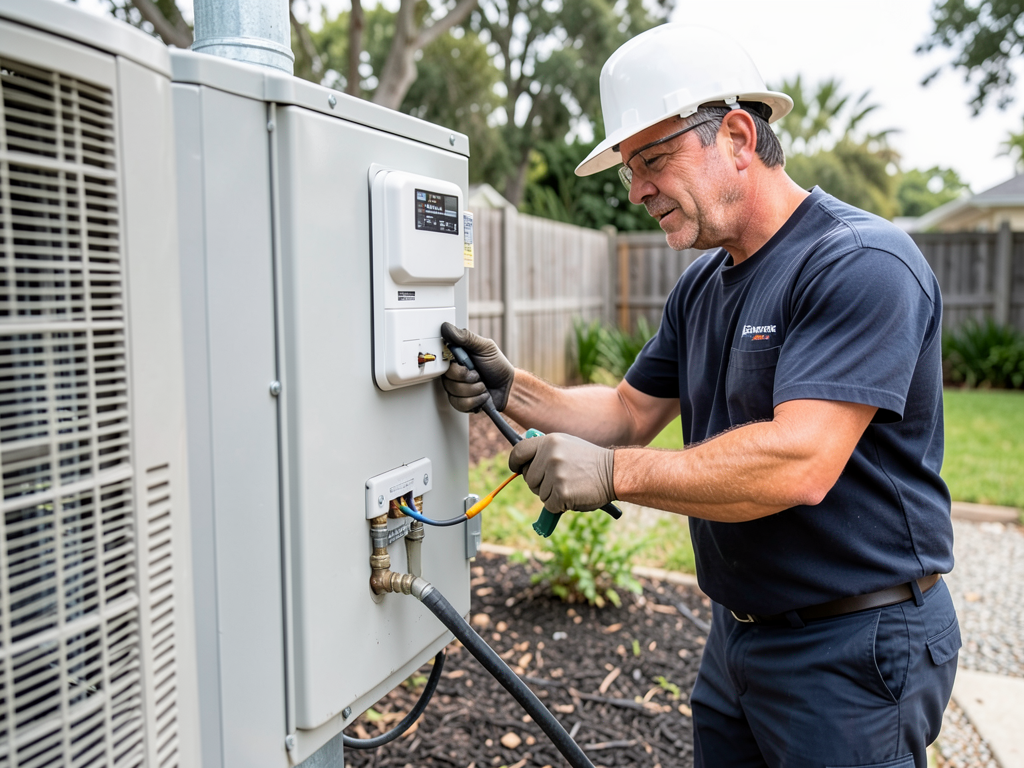
Diagram showing how a surge protector diverts excess voltage away from AC compressor electronics
Close-up photo of a professional-grade AC surge protector installed on a weatherproof disconnect box
Comparison chart showing voltage levels during normal operation versus surge conditions