Historic Home Heating Solutions and Boiler Repair in the Wood Streets
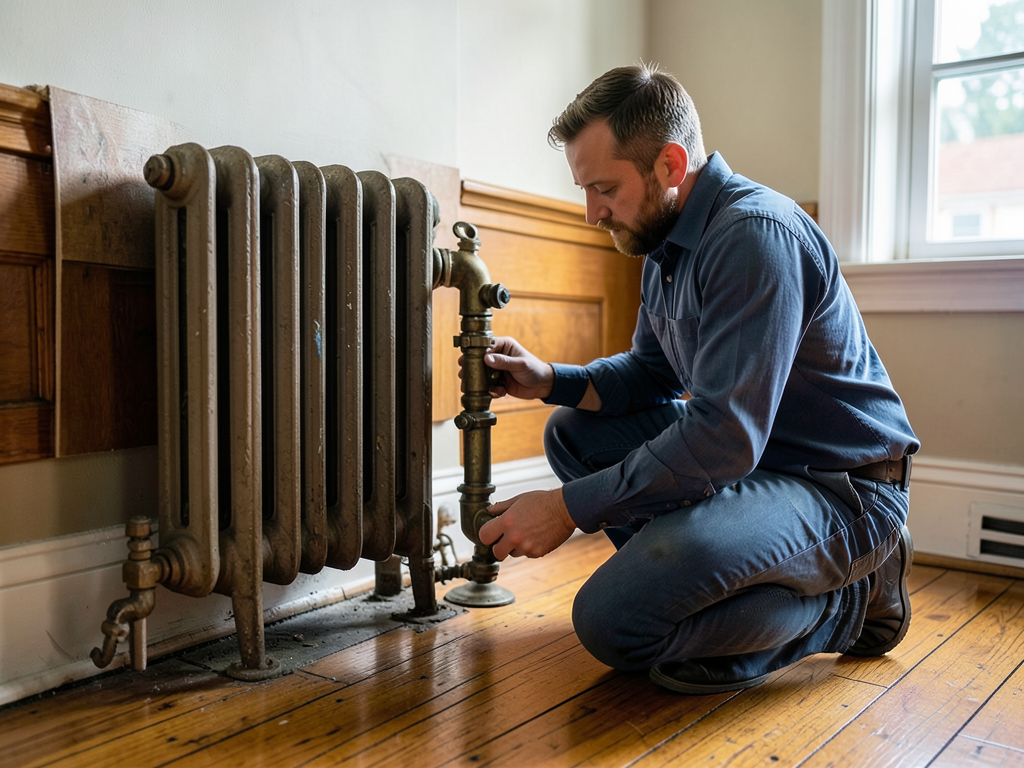
When your radiator goes cold in a 1920s Wood Streets bungalow, you need a technician who understands the difference between a steam boiler and a hot water system. Our team specializes in restoring heat to Riverside’s historic homes, where original hydronic systems require expertise beyond standard furnace repair. We diagnose kettling sounds in aging cast iron radiators, replace failed expansion tanks in gravity-fed systems, and restore pressure to century-old piping networks that newer technicians often misdiagnose. Reliable Furnace Repair in Riverside to Keep Your Family Warm This Winter.
Why Wood Streets Homes Need Specialized Boiler Expertise
The Wood Streets neighborhood contains some of Riverside’s oldest residential heating infrastructure, with many homes built between 1900 and 1940 featuring original hydronic systems. These systems operate differently from modern forced-air furnaces and require specific knowledge of steam pressure dynamics, radiator venting, and the impact of Riverside’s hard water on boiler scale buildup. When a vintage radiator stops heating, the problem often stems from decades of mineral deposits clogging the heat exchanger or failed air vents that newer technicians might overlook.
Historic homes in the 92506 and 92507 zip codes face unique challenges. The combination of original cast iron boilers, aging copper piping, and the area’s mineral-rich water creates failure patterns that generic HVAC companies rarely encounter. We’ve restored heat to homes where the boiler was mistakenly diagnosed as failed when the real issue was a stuck zone valve or a plugged condensate return line.
Call (951) 223-9644 today to schedule your inspection. Our emergency response team serves the Wood Streets area within 60 minutes when your historic home loses heat.
Common Boiler Problems in Riverside’s Historic Homes
Historic Wood Streets homes experience specific boiler failures that newer neighborhoods rarely see. The most frequent issue involves kettling noises from scale buildup inside the heat exchanger. Riverside’s hard water, with mineral content often exceeding 300 parts per million, creates scale deposits that reduce heat transfer efficiency and cause the characteristic rumbling sound when water flashes to steam in restricted passages. Switching to a High Efficiency Heat Pump in Riverside to Save on Monthly Energy Bills.
Another common problem involves failed air vents on original radiators. These small but critical components allow air to escape as steam fills the system. When vents fail, radiators develop cold spots or fail to heat entirely. Many Wood Streets homes still use original Hoffman or Maid-O’-Mist vents that haven’t been manufactured in decades, requiring specialized replacement parts or custom modifications.
Pressure vessel issues plague older systems where the original expansion tank has corroded through or the pressure relief valve no longer functions correctly. These failures can cause dangerous pressure buildup or allow the system to lose prime entirely. We test pressure levels using calibrated gauges and inspect the entire pressure relief pathway, something rushed technicians often skip.
Our Comprehensive Boiler Diagnostic Process
Our boiler repair process begins with a systematic diagnostic approach that identifies the root cause rather than just treating symptoms. We start by measuring system pressure and temperature differentials across the heat exchanger. A properly functioning steam system maintains specific pressure ranges – typically 2-5 PSI for residential applications – while hot water systems operate at higher pressures but lower temperatures. Same Day Emergency AC Repair for Families in Orangecrest.
We then inspect the burner assembly, checking for proper flame pattern, gas pressure, and combustion efficiency. Many historic boilers in Riverside use natural gas but may have been converted from coal or oil, creating unique combustion chamber configurations that require careful adjustment. We measure stack temperature and carbon monoxide levels to ensure safe operation.
The next step involves pressure testing the entire system to identify leaks in the piping network. Historic homes often have hidden leaks behind plaster walls or under hardwood floors that cause pressure loss and air infiltration. We use ultrasonic leak detection equipment that can locate pinhole leaks without destructive testing, preserving your home’s historic character.
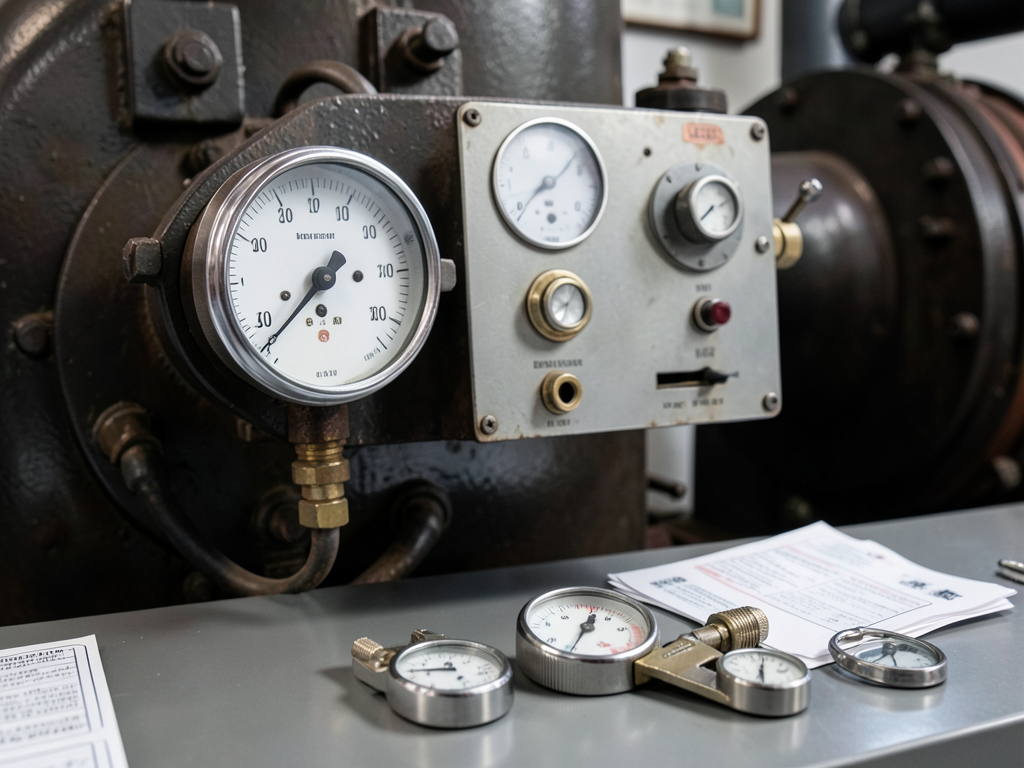
Finally, we perform a combustion analysis using digital analyzers that measure oxygen levels, carbon monoxide, and stack temperature. This data helps us determine if the boiler is operating at peak efficiency or if adjustments could reduce fuel consumption by 15-20%. Many historic boilers can be tuned to operate more efficiently than when they were new.
Steam vs. Hot Water Boiler Systems in Historic Homes
Understanding the difference between steam and hot water systems is crucial for proper repair. Steam systems operate at lower pressures but require precise venting and condensate return. The radiators get hot quickly but cool down rapidly. Hot water systems maintain more consistent temperatures but require higher operating pressures and often include circulating pumps that steam systems don’t need.
Wood Streets homes built before 1930 typically feature one-pipe steam systems where a single pipe serves both steam supply and condensate return. These systems require specific radiator venting patterns and careful pressure regulation. Post-1930 homes more commonly have two-pipe steam or hot water systems with separate supply and return lines.
We’ve encountered gravity-fed hot water systems in some of the oldest Wood Streets properties. These systems rely on natural convection rather than pumps and require careful balancing to ensure even heat distribution. The piping must be installed with specific pitch and sizing that newer technicians often don’t understand, leading to improper modifications that compromise system performance.
Emergency Boiler Repair Services When You Need Heat Now
Boiler failures in historic homes often occur during the coldest nights when you need heat most. Our emergency response team maintains fully stocked vehicles with common replacement parts for older boiler systems, including thermocouples, gas valves, pressure switches, and specialty venting components. We understand that waiting until morning isn’t an option when temperatures drop below freezing.
Our emergency service includes temporary heat solutions while we source specialty parts. We can install portable electric heaters or provide temporary boiler rental units that maintain safe temperatures until permanent repairs are completed. This prevents frozen pipes and protects your home’s historic plaster and woodwork from cold damage.
We prioritize emergency calls from the Wood Streets area, understanding that many residents work from home or have elderly family members who need reliable heat. Our technicians carry the tools and diagnostic equipment needed to identify problems quickly and implement effective solutions without unnecessary delays.
Preventative Maintenance for Historic Boiler Systems
Regular maintenance extends the life of historic boiler systems and prevents emergency failures. We recommend annual service that includes cleaning the heat exchanger, inspecting all safety controls, testing pressure relief valves, and checking for corrosion in the system. Many Wood Streets homeowners don’t realize that simple maintenance can add 10-15 years to a boiler’s service life. Commercial Duct Cleaning.
During maintenance visits, we also check the water quality and may recommend chemical treatment to prevent scale buildup. Riverside’s hard water accelerates corrosion and scale formation, but proper treatment can significantly reduce these effects. We test water chemistry and adjust treatment levels based on your specific system’s needs.
We also inspect the chimney or vent system, which is critical for safe operation. Many historic homes have masonry chimneys that require specific clearances and may need liner replacement to handle modern high-efficiency boilers. Blocked or damaged vents can cause dangerous carbon monoxide buildup, making this inspection essential for safety.
Energy Efficiency Upgrades for Historic Homes
Historic Wood Streets homes can achieve significant energy savings through strategic boiler upgrades without compromising their architectural integrity. Modern high-efficiency boilers can reach 95% efficiency compared to 60-70% for original units. We specialize in installations that maintain the home’s historic character while dramatically reducing fuel consumption. How Much Does a New AC Installation Cost in Woodcrest Today?.
Modulating boilers adjust their firing rate based on demand, eliminating the energy waste of traditional on/off cycling. These units work particularly well in historic homes where heat loss varies significantly between rooms due to different insulation levels and window configurations. We can zone these systems to heat only occupied areas.
Smart thermostats designed for hydronic systems can optimize boiler operation by learning your home’s heat retention patterns. These devices prevent overshooting temperatures and reduce cycling, which is especially important in older homes where thermal mass affects how quickly spaces heat up and cool down.
Permit Requirements for Boiler Work in Riverside
Boiler repair and replacement in Riverside requires proper permitting under California Mechanical Code Section 110.2. This includes pressure vessel work, gas line modifications, and chimney relining. We handle all permit requirements and inspections, ensuring your system meets current safety standards while preserving your home’s historic character. California Title 24 Energy Standards.
California Title 24 energy efficiency standards apply to new boiler installations, requiring minimum efficiency ratings and proper insulation of hot water piping. We design systems that meet these requirements while maintaining the aesthetic integrity of historic homes. Our installations include proper combustion air supply and venting that satisfies both code and preservation requirements.
The South Coast Air Quality Management District (SCAQMD) regulates emissions from gas-fired equipment. We ensure all installations meet current emissions standards and include proper combustion analysis to verify clean, efficient operation. This protects both your family and the environment while keeping your system compliant.
Why Choose Our Historic Home Boiler Expertise
Our technicians understand the unique challenges of working in historic Wood Streets homes. We know how to navigate tight crawl spaces, work around original plaster walls, and preserve historic finishes while accessing mechanical systems. We bring specialized tools like inspection cameras and ultrasonic leak detectors that minimize damage to your home during repairs.
We maintain relationships with suppliers who stock vintage boiler parts and can source replacements for discontinued components. When original parts are unavailable, we fabricate custom solutions that maintain system integrity. Our experience with dozens of historic homes in the area means we’ve likely encountered your specific boiler model before.
Our commitment to the Wood Streets community goes beyond simple repairs. We educate homeowners about their systems, provide maintenance schedules, and offer emergency support when failures occur. We understand that your home’s heating system is part of its historic character and treat it with the respect it deserves.
Frequently Asked Questions
How long do historic boilers typically last?
Well-maintained historic boilers can last 30-50 years or more. The key is regular maintenance and addressing small problems before they become major failures. Many Wood Streets homes still have original boilers that function properly with proper care.
Should I replace my historic boiler with a modern unit?
It depends on the boiler’s condition and your efficiency goals. If your current boiler is in good condition, upgrading controls and performing maintenance might be more cost-effective than replacement. However, if it’s over 25 years old or requires frequent repairs, a high-efficiency replacement could save significant energy costs.
How much does boiler repair typically cost in the Wood Streets area?
Repair costs vary widely based on the specific problem. Simple fixes like replacing a pressure relief valve might cost $200-400, while major repairs like heat exchanger replacement could range from $800-2,500. We provide detailed estimates before starting any work.
Can you work on my historic home without damaging original features?
Yes, we specialize in minimally invasive repairs for historic homes. We use techniques that preserve original plaster, woodwork, and finishes while accessing mechanical systems. Our goal is to restore function without compromising your home’s historic character.
Do you offer emergency service for boiler failures?
Absolutely. We provide 24/7 emergency service throughout the Wood Streets area. Call (951) 223-9644 anytime, and we’ll dispatch a technician within 60 minutes to restore heat to your home. Don’t wait until morning when your family is cold tonight.
Trust Your Historic Home to Local Experts
Historic Wood Streets homes deserve specialized care that generic HVAC companies can’t provide. Our team combines deep technical knowledge of hydronic systems with respect for your home’s architectural heritage. We understand that your boiler isn’t just a heating appliance – it’s part of your home’s historic character.
Don’t trust your vintage radiator system to technicians who only work on modern forced-air furnaces. Our expertise in steam and hot water systems, combined with our knowledge of Riverside’s unique water conditions and building requirements, makes us the clear choice for historic home heating solutions.
Pick up the phone and call (951) 223-9644 before the next cold snap hits. Whether you need emergency repair, preventative maintenance, or a complete system upgrade, we’re ready to restore comfort to your historic Wood Streets home while preserving its architectural integrity for generations to come. For more information, visit Southern California Edison.