
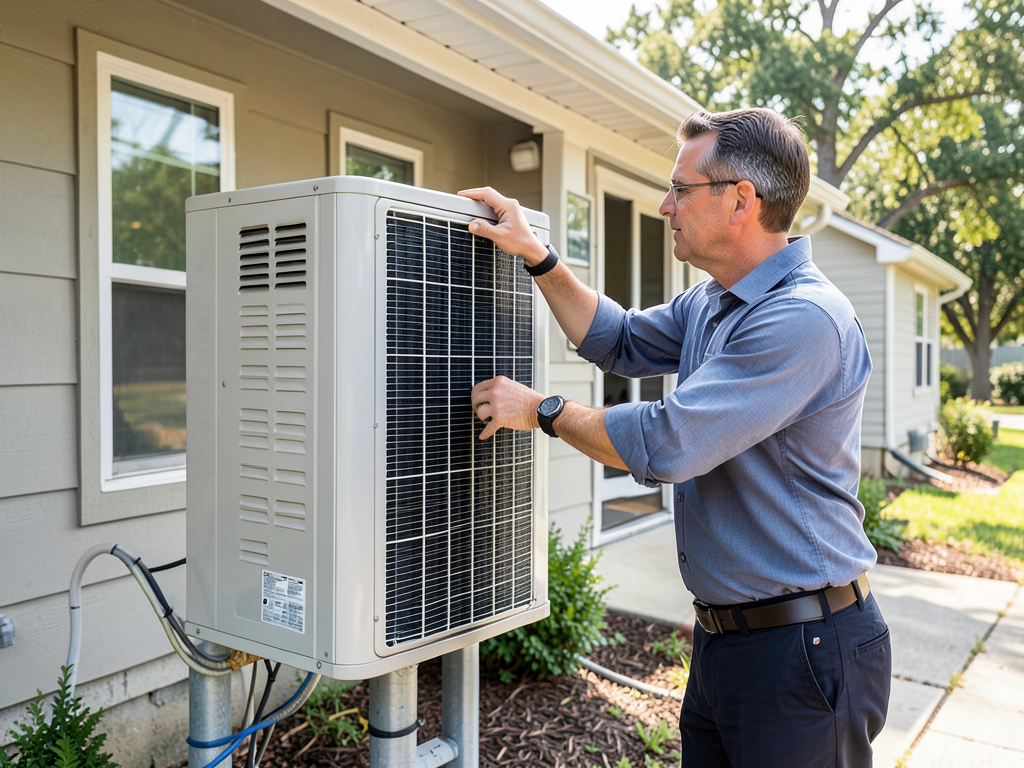
Choosing between a package unit and a split system HVAC for your Riverside ranch home can feel overwhelming especially with the Inland Empire’s extreme summer heat and unique housing styles. This guide breaks down the key differences so you can make the right choice for your home’s comfort and energy efficiency. Riverside Public Utilities Rebates.
What is a Split System HVAC?
A split system separates the heating and cooling components into two main units. The condenser sits outside your home while the furnace and evaporator coil are housed indoors often in an attic or closet. This configuration works well for homes with existing ductwork and allows independent control of heating and cooling efficiency. Reliable Furnace Repair in Riverside to Keep Your Family Warm This Winter.
Split systems offer flexibility in placement and can achieve higher SEER2 ratings compared to package units. They are the most common setup in newer Riverside developments where space allows for both indoor and outdoor components.
What is a Packaged HVAC Unit?
A packaged unit contains all heating and cooling components in a single outdoor cabinet. This all-in-one design is typically installed on a rooftop or concrete pad making it ideal for homes with limited indoor space or where attic access is difficult.. Read more about Deciding Between a Single Stage and Variable Speed AC for Your La Sierra Home.
Package units are frequently found in older Riverside ranch homes built on concrete slabs where running new ductwork through walls would be costly. They offer a compact footprint but may have slightly lower energy efficiency than comparable split systems. Switching to a High Efficiency Heat Pump in Riverside to Save on Monthly Energy Bills.
Comparison Breakdown: Space Efficiency and Cost
| Factor | Split System | Package Unit |
|---|---|---|
| Footprint | Requires indoor space for furnace/evaporator | Single outdoor unit saves indoor space |
| Installation Cost | Higher due to two unit installation | Generally lower upfront cost |
| SEER2 Ratings | Often higher efficiency options | Limited by single cabinet design |
| Maintenance Access | Indoor components protected from elements | All components exposed to weather |
Why Riverside Climate Matters for Your Choice
Riverside’s Inland Empire climate presents unique challenges for HVAC systems. With summer temperatures regularly exceeding 100°F and Santa Ana winds bringing dust and debris, system durability becomes critical.
Package units mounted on rooftops face constant UV exposure and thermal cycling which can accelerate wear on seals and electrical components. The dry climate also means dust accumulation is faster requiring more frequent filter changes.
Split systems keep sensitive components indoors protecting them from the harsh Riverside sun. However they require proper attic ventilation to prevent heat buildup around the indoor unit which can reduce efficiency.
Maintenance and Longevity Comparison
Maintenance requirements differ significantly between the two systems. Package units need biannual service to clean the entire cabinet and check all electrical connections since everything is exposed to the elements.
Split systems allow technicians to service indoor and outdoor components separately. The indoor coil can be cleaned without exposing the entire system to dust and debris common in Riverside’s desert-adjacent environment. HVAC Palm Desert.
California Title 24 energy efficiency standards require specific SEER2 ratings for new installations. Split systems more readily meet these requirements offering better long-term energy savings for Riverside homeowners concerned about utility costs. California Title 24 Energy Standards.
Frequently Asked Questions
Which system is quieter for residential areas?
Split systems typically operate more quietly since the loudest component the condenser is outside and away from living spaces. Package units have all components in one cabinet which can create more noise near windows or outdoor living areas.
Are package units more prone to failure in Riverside’s heat?
Package units can experience more thermal stress due to constant sun exposure on rooftops. The extreme temperature swings common in Riverside can cause expansion and contraction of metal components potentially leading to refrigerant leaks or electrical issues.
Can I switch from a package unit to a split system?
Yes but it requires significant modification. You’ll need space for the indoor furnace or air handler and may need to modify existing ductwork. The conversion cost can be substantial but often results in better efficiency and comfort.
What about HOA restrictions in Riverside?
Some Riverside homeowners associations have restrictions on rooftop equipment or require specific unit colors to blend with roof tiles. Always check HOA guidelines before selecting a package unit installation. How Much Does a New AC Installation Cost in Woodcrest Today?.
Which system qualifies for Riverside Public Utilities rebates?
Both system types can qualify for RPU rebates when they meet minimum SEER2 efficiency requirements. Split systems often have more options for qualifying high-efficiency models that maximize rebate potential.
Making Your Decision
Your choice depends on your home’s existing infrastructure available space and long-term energy goals. Ranch homes built on slabs with limited attic access often benefit from package units while homes with existing ductwork and attic space may prefer split systems.. Read more about Why Zoned HVAC is the Best Choice for Two-Story Homes in Grandwood Park.
Consider scheduling a professional assessment to evaluate your specific home’s needs. A qualified technician can measure your home’s cooling load calculate energy savings and recommend the best system for Riverside’s challenging climate.
Call (951) 223-9644 today to schedule your free consultation and get expert advice on choosing between a package unit and split system for your Riverside ranch home.