Understanding Riverside’s Unique Energy Challenge
The Inland Empire’s triple-digit summer heat creates a relentless demand on your home’s cooling system. When outside temperatures climb above 100°F, your air conditioner works overtime to maintain comfort, often running continuously through the hottest months. This constant operation drives up energy bills and accelerates wear on critical components.
Many Riverside homeowners don’t realize that their attic space plays a crucial role in HVAC efficiency. Heat radiating through your roof can push attic temperatures to 150°F or higher, forcing your AC to work much harder than necessary. The right insulation creates a thermal barrier that keeps this extreme heat out of your living space. Switching to a High Efficiency Heat Pump in Riverside to Save on Monthly Energy Bills.
California’s Title 24 energy efficiency standards require specific insulation levels for new construction and major renovations. These building codes establish minimum R-values based on climate zones, with Riverside falling into a zone that demands higher insulation performance due to our intense summer heat. California Title 24 Building Energy Efficiency Standards.
How Poor Attic Insulation Impacts Your HVAC System
When attic insulation fails, several problems cascade through your home’s comfort system. Heat transfers directly into your living space, causing your thermostat to register higher temperatures than desired. Your air conditioner responds by running longer cycles, trying to overcome the continuous heat gain.
This extended operation leads to several issues. Compressors work harder, reducing their expected lifespan. Refrigerant lines experience higher pressures, potentially causing leaks. Air filters clog faster from increased system runtime. The cumulative effect can mean replacing your HVAC unit years earlier than expected.
Beyond equipment strain, poor insulation creates uncomfortable hot spots throughout your home. Rooms under the attic feel warmer than others. Second-story spaces become unbearable during heat waves. Your AC runs constantly but never quite achieves the comfort level you set on your thermostat.
California Title 24 Requirements for Riverside Homes
California’s Title 24 Building Energy Efficiency Standards establish specific requirements for residential insulation. For Riverside’s climate zone, new construction must achieve minimum R-38 insulation in attics. This translates to approximately 12-14 inches of fiberglass batt insulation or the equivalent in spray foam or blown-in materials.
These standards don’t just recommend insulation levels—they’re mandatory requirements enforced through building permits and inspections. When replacing your HVAC system or making significant home improvements, compliance with current Title 24 standards becomes essential for passing final inspections.
The 2022 updates to Title 24 introduced stricter requirements for duct sealing and insulation. Leaky ductwork in unconditioned spaces like attics can waste 20-30% of your cooled air. New standards mandate testing to verify duct leakage stays below specified thresholds, ensuring your system delivers conditioned air efficiently.
Finding a Qualified Insulation and HVAC Contractor
Not all contractors understand the complex relationship between attic insulation and HVAC performance. A qualified professional should hold proper California contractor licenses and maintain current certifications in both insulation installation and HVAC service. How Much Does a New AC Installation Cost in Woodcrest Today?.
Look for contractors familiar with local building codes and Title 24 compliance. They should conduct thorough attic inspections before recommending solutions. This assessment should include checking existing insulation levels, identifying air leaks, examining ductwork condition, and evaluating your current HVAC system’s performance.
Reputable contractors provide detailed proposals that address both immediate comfort issues and long-term energy efficiency. They should explain how improvements to your attic space will reduce your cooling costs and extend your HVAC equipment’s service life.
Diagnostic Process for Attic and HVAC Assessment
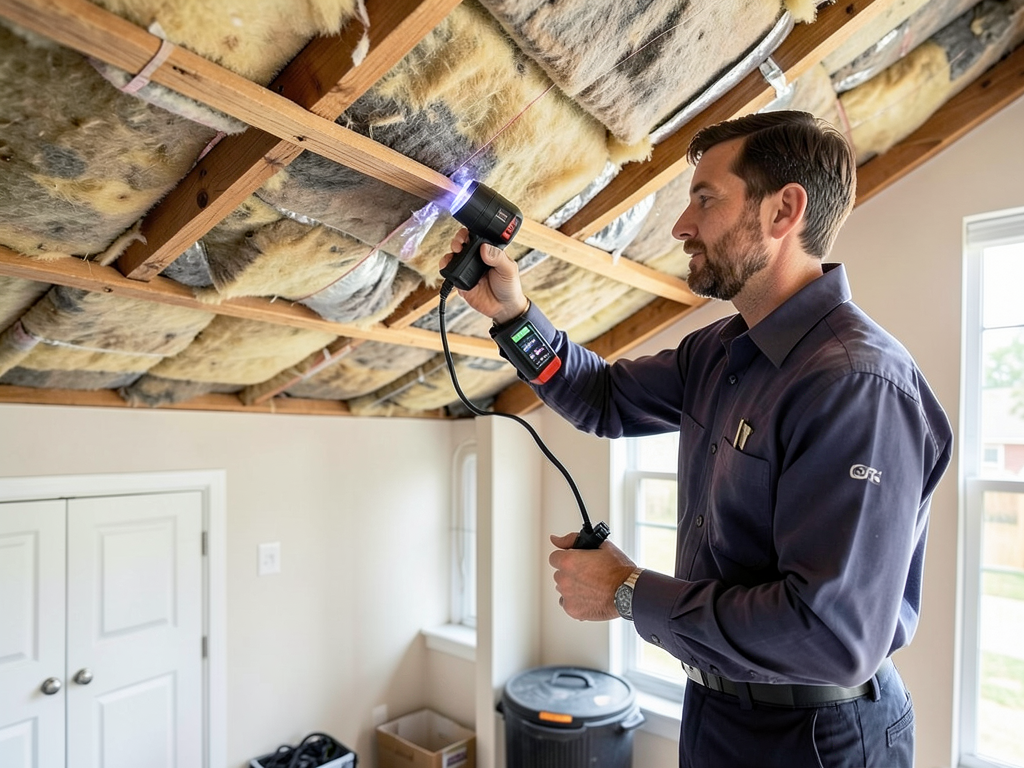
A comprehensive evaluation begins with thermal imaging to identify heat transfer points in your attic. This technology reveals where insulation is missing, compressed, or inadequate. It also shows air leaks around penetrations, light fixtures, and attic access points.
Air pressure testing helps locate drafts and air infiltration sources. Technicians use specialized equipment to measure how much conditioned air escapes through gaps in your home’s building envelope. This testing often reveals surprising sources of energy waste.
Equipment performance testing evaluates your current HVAC system’s efficiency. This includes checking refrigerant levels, measuring airflow, and assessing the condition of critical components. The results help determine whether your system is appropriately sized for your home’s actual cooling load.
Insulation Options for Riverside’s Climate
Fiberglass batt insulation remains popular due to its affordability and ease of installation. Modern fiberglass products achieve high R-values while resisting moisture and mold growth. However, proper installation requires careful attention to gaps and compression points.
Blown-in cellulose insulation offers excellent coverage for irregular attic spaces. Made from recycled paper products, it provides good thermal performance and sound dampening. The loose-fill nature allows it to conform to obstacles and fill small gaps effectively.
Open-cell spray foam insulation creates an air seal while providing insulation. This dual benefit makes it particularly effective in attics with many penetrations or irregular shapes. The foam expands to fill cavities completely, eliminating air gaps that reduce insulation effectiveness.
Energy Rebates and Incentives in Riverside
Riverside Public Utilities offers rebates for energy efficiency improvements that reduce cooling loads. These programs typically provide incentives for attic insulation upgrades, duct sealing, and high-efficiency HVAC equipment. Rebate amounts vary based on the scope of improvements and equipment efficiency ratings.
Southern California Edison provides additional incentives through their energy efficiency programs. These rebates often stack with utility-specific programs, potentially covering a significant portion of improvement costs. Some programs require pre-approval and post-installation verification to qualify for incentives. Southern California Edison energy efficiency rebates.
Federal tax credits for energy efficiency improvements can provide additional savings. The Inflation Reduction Act extended credits for insulation and HVAC upgrades through 2032. These credits cover a percentage of qualified improvement costs, reducing your tax liability for the year of installation.
Cost-Benefit Analysis of Insulation Improvements
Attic insulation upgrades typically pay for themselves through reduced energy bills within 3-5 years. The exact payback period depends on your home’s current insulation condition, local utility rates, and the improvements made. Homes with minimal existing insulation often see the fastest returns.
Beyond direct energy savings, quality insulation improvements extend HVAC equipment life. When your system runs less frequently and under less stress, components last longer before requiring replacement. This deferred replacement cost represents significant additional savings over your home’s lifetime.
Improved insulation also enhances comfort in ways that are difficult to quantify. Consistent temperatures throughout your home, reduced drafts, and quieter operation all contribute to quality of life improvements that many homeowners value highly.
Common Attic Insulation Problems in Riverside
Many Riverside homes suffer from inadequate attic insulation due to age or settling. Fiberglass batts compress over time, reducing their R-value. Rodent activity can create tunnels through insulation, creating thermal bypasses. Moisture intrusion from roof leaks damages insulation and promotes mold growth.
Air leaks around attic penetrations represent another common issue. Plumbing vents, electrical wiring, and ductwork create pathways for conditioned air to escape into the attic. These small gaps collectively can equal the energy loss of leaving a window open year-round.
Ventilation problems compound insulation issues. Blocked soffit vents or inadequate ridge ventilation trap heat in the attic. This heat buildup radiates through the ceiling, overwhelming even good insulation. Proper ventilation works with insulation to maintain reasonable attic temperatures.
Integration with HVAC System Upgrades
Attic improvements and HVAC upgrades often work best as complementary projects. Adding insulation before replacing your AC allows proper equipment sizing based on your home’s improved thermal performance. This prevents the common problem of oversized units that short-cycle and waste energy.
Smart thermostats enhance the benefits of insulation improvements by optimizing system operation based on your home’s thermal characteristics. These devices learn your patterns and adjust cooling cycles to maintain comfort while minimizing energy use.
Regular maintenance becomes more important after insulation upgrades. Your HVAC system will run differently with reduced heat gain, potentially revealing issues that were masked by excessive runtime. Annual tune-ups ensure your improved system operates at peak efficiency.
Choosing the Right Contractor for Your Project
Experience with local conditions matters significantly when selecting an insulation and HVAC contractor. Riverside’s specific climate challenges, building codes, and utility programs require specialized knowledge that general contractors may lack.
Request references from recent local projects similar to yours. Contact these references to verify the contractor’s work quality, communication, and adherence to schedules. Ask specifically about their experience with Title 24 compliance and utility rebate programs.
Obtain detailed written proposals from multiple contractors. Compare not just prices but the scope of work, materials specified, and warranty terms. The lowest bid often costs more long-term if it cuts corners on critical aspects of the installation.
Frequently Asked Questions
How much insulation do I need in my Riverside attic?
California Title 24 requires R-38 minimum for Riverside’s climate zone. This typically means 12-14 inches of fiberglass or the equivalent in other materials. However, your specific needs depend on your home’s construction and existing insulation condition.
Will new insulation make my house too airtight?
Quality insulation improves energy efficiency without compromising indoor air quality. Proper ventilation systems maintain fresh air exchange while preventing energy waste. A good contractor will balance insulation improvements with appropriate ventilation to ensure healthy indoor air.
How long does attic insulation installation take?
Most residential attic insulation projects complete in one to two days. The exact timeline depends on attic access, existing insulation removal needs, and the materials chosen. Your contractor should provide a specific schedule during the proposal process.
Call (951) 223-9644 Today for Your Free Attic Assessment
Don’t let another summer of high energy bills and uncomfortable rooms pass by. Our team understands Riverside’s unique climate challenges and Title 24 requirements. We’ll inspect your attic, evaluate your HVAC system, and provide clear recommendations for improving your home’s efficiency.
Call (951) 223-9644 now to schedule your comprehensive assessment. We’ll show you exactly how proper insulation and HVAC optimization can reduce your energy costs while improving your comfort. Our local expertise means we get it right the first time.
Pick up the phone and call (951) 223-9644 before the next heat wave hits. Your home deserves the comfort and efficiency that proper attic insulation and HVAC optimization provide. We’re ready to help you start saving money and staying comfortable year-round.