
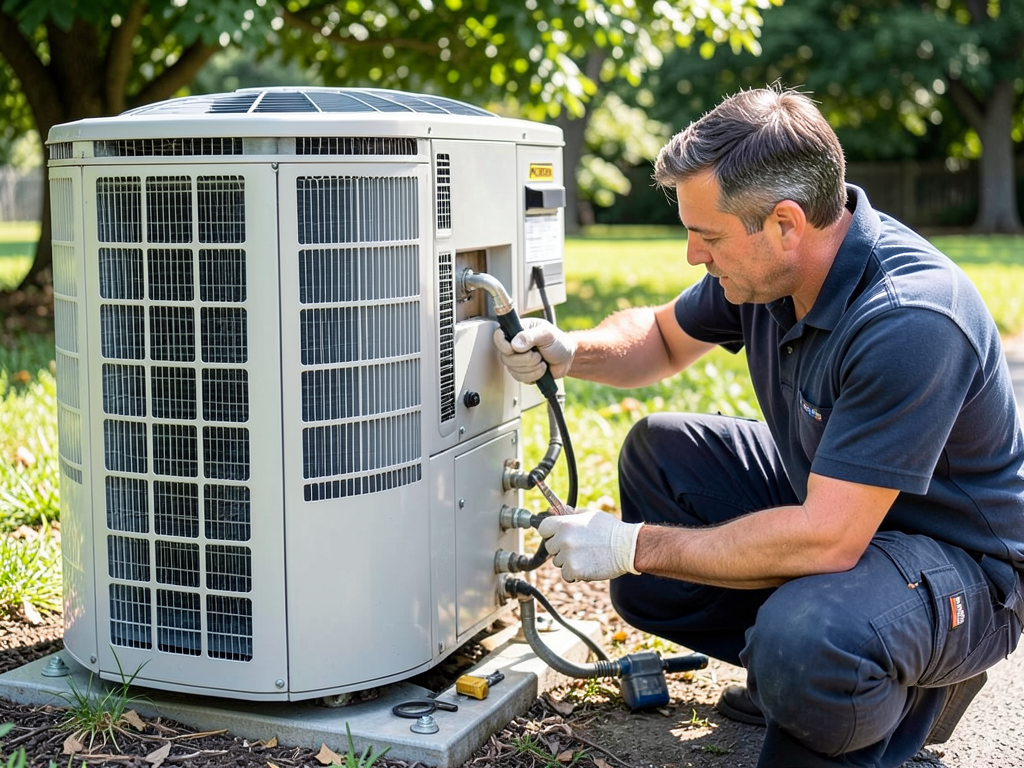
Five Things to Check Yourself Before Calling for Professional AC Repair in Highgrove
Your AC stops blowing cold air on a 95-degree day in Highgrove. The panic sets in. Before you pick up the phone and call for emergency service, there are five simple things you can check yourself that might save you time, money, and a lot of stress. Highgrove’s unique inland heat and dust conditions can cause specific issues that are easy to fix with the right knowledge. Same Day Emergency AC Repair for Families in Orangecrest.
1. Check Your Thermostat Settings and Power
Start with the obvious. Make sure your thermostat is set to “cool” mode and the temperature is set lower than the current room temperature. If you have a battery-powered thermostat, weak batteries can cause display issues or prevent the system from sending signals to the AC unit. Replace the batteries with fresh ones even if the display seems to be working. Also check that the thermostat is level on the wall since older mercury-based units need proper alignment to function correctly.
Next, verify that the thermostat has power. If it’s hardwired, check your home’s circuit breaker panel for any tripped breakers labeled “HVAC” or “air conditioning.” Sometimes a power surge from Highgrove’s summer thunderstorms can trip the breaker without you noticing.
2. Inspect and Replace Your Air Filter
A dirty air filter is the most common cause of reduced cooling performance in Highgrove homes. The area’s combination of desert dust, pollen, and agricultural particles means filters get clogged faster than in coastal areas. Remove your filter and hold it up to a light source. If you can’t see light through it, it’s time for a replacement. HVAC Palm Desert.
Highgrove residents should check filters monthly during peak cooling season, especially if you live near agricultural areas where dust levels are higher. A clogged filter restricts airflow, causing your system to work harder and potentially freeze the evaporator coil. This can lead to warm air blowing from your vents even though the AC is running.
3. Examine the Outdoor Condenser Unit
Your outdoor condenser unit needs proper airflow to release heat from your home. Walk outside and inspect the unit for visible obstructions. Highgrove’s Santa Ana winds can blow leaves, dirt, and debris against the unit. Clear away any vegetation growing within two feet of the unit, and remove any accumulated debris from the top and sides.
Listen for unusual noises when the unit is running. A healthy condenser should produce a steady humming sound. Clicking, grinding, or rattling noises often indicate failing components like the fan motor or compressor. Also check that the unit’s fan is spinning freely when the AC is on. If it’s not moving, the motor may have failed or the capacitor may need replacement.
4. Check the Condensate Drain Line
Your AC system removes moisture from the air as it cools, and this water drains through a condensate line. In Highgrove’s dry climate, algae and mineral buildup can clog this line, causing water to back up into the system. Locate the PVC drain line near your indoor unit and check for visible clogs or standing water.
You can often clear minor clogs by pouring a mixture of vinegar and water down the drain line. This helps dissolve algae growth and mineral deposits common in Riverside County’s hard water. If water is backing up into your home or the line is completely blocked, you’ll need professional service to clear it properly.
5. Verify the Disconnect Switch and Safety Controls
Most AC units have a disconnect switch located near the outdoor condenser. This switch allows technicians to safely shut off power during maintenance. Make sure this switch is in the “on” position. Sometimes homeowners accidentally turn it off while doing yard work or children playing near the unit can flip it.
Also check your system’s safety controls. Many modern AC units have float switches that shut down the system if water backs up in the drain pan. If your unit won’t start, this safety feature may have activated due to a clogged drain line. Resetting the switch after clearing the drain may restore operation.
When DIY Checks Aren’t Enough
If you’ve completed all five checks and your AC still isn’t cooling properly, it’s time to call a professional. Some issues require specialized tools and training to diagnose and repair safely. Refrigerant leaks, electrical problems, and compressor failures are not DIY projects and can be dangerous if handled incorrectly. EPA Section 608 Certification.
Highgrove’s extreme summer temperatures make AC failures more than just uncomfortable—they can be dangerous for elderly residents, young children, and pets. Don’t wait until the heat becomes unbearable to get professional help.
Understanding Highgrove’s Impact on AC Performance
Highgrove’s inland location creates specific challenges for air conditioning systems. The area experiences higher temperatures than coastal Riverside, often reaching 100+ degrees during summer months. This puts extra strain on AC units, causing them to run longer and work harder to maintain comfortable temperatures.
The region’s soil composition also affects AC performance. Highgrove sits on a mix of sandy loam and clay soils that can shift slightly with temperature changes and moisture levels. This settling can cause refrigerant lines to strain or disconnect over time, leading to leaks that reduce cooling efficiency. Switching to a High Efficiency Heat Pump in Riverside to Save on Monthly Energy Bills.
Local building codes in Riverside County require specific clearances and safety features for AC installations. Units must maintain proper distance from property lines and have appropriate electrical disconnects installed according to California Title 24 energy efficiency standards. California Contractors State License Board.
Common AC Problems in Highgrove Homes
Based on our experience serving Highgrove and surrounding areas, certain AC problems occur more frequently here than in other parts of Riverside County. Understanding these patterns can help you identify issues faster and communicate more effectively with technicians.
Refrigerant leaks are particularly common in older units due to the area’s temperature fluctuations. The constant expansion and contraction of copper lines in extreme heat causes microscopic cracks that worsen over time. You might notice your AC running longer than usual or never quite reaching the set temperature if this occurs.
Capacitor failures increase during heat waves when AC units work overtime. The capacitor helps start the compressor and fan motors, and constant cycling in extreme heat can cause it to fail. A failing capacitor often produces a clicking sound when the AC tries to start.
Electrical issues from power surges are another Highgrove-specific concern. Summer thunderstorms and the area’s electrical grid can cause voltage fluctuations that damage sensitive control boards and contactors. Installing a whole-house surge protector can prevent many of these failures.
Cost Factors for AC Repair in Highgrove
Repair costs in Highgrove vary based on several factors unique to the area. The age of your home affects pricing since older homes may require additional work to bring electrical systems up to current code. Homes built before the 1980s often need electrical panel upgrades to handle modern AC units safely.
The type of AC system you have also impacts repair costs. Central air systems are most common in Highgrove, but some older homes still use packaged units or ductless mini-splits. Each system type has different parts and labor requirements that affect pricing. Why Ductless Mini Splits are the Best Cooling Solution for Woodcrest Guest Houses.
Emergency service calls during heat waves typically cost more due to increased demand. However, waiting until temperatures cool down can sometimes mean longer wait times as technicians handle the most urgent cases first.
Preventing Future AC Problems
Regular maintenance can prevent many common AC problems and extend your system’s lifespan. Schedule professional maintenance twice yearly—once in spring before cooling season and again in fall after heavy use. This service includes cleaning coils, checking refrigerant levels, and inspecting electrical connections. Commercial Duct Cleaning.
Between professional visits, keep vegetation trimmed at least two feet from your outdoor unit. This prevents airflow restrictions and reduces the amount of debris that can enter the system. Also check your condensate drain monthly during cooling season to ensure proper drainage.
Consider upgrading to a smart thermostat if you haven’t already. These devices can detect system problems early by monitoring performance patterns and alerting you to unusual behavior before complete failure occurs.
Energy Efficiency Tips for Highgrove Residents
Highgrove’s hot summers mean higher energy bills, but several strategies can improve your AC’s efficiency. Keep blinds and curtains closed during the hottest parts of the day to reduce heat gain through windows. This simple step can lower your cooling load by several degrees.
Use ceiling fans to circulate cool air more effectively. Fans don’t lower room temperature but make you feel cooler by creating a wind-chill effect, allowing you to set your thermostat a few degrees higher without sacrificing comfort.
Seal air leaks around windows and doors with weatherstripping or caulk. Even small gaps can let hot outdoor air enter your home, forcing your AC to work harder. Check attic insulation levels too—proper insulation keeps cool air inside and hot air out.
Choosing the Right AC Repair Company
When DIY troubleshooting doesn’t solve your AC problem, choosing a qualified repair company becomes critical. Look for contractors licensed by the California Contractors State License Board (CSLB) with specific HVAC experience. Ask about their familiarity with Highgrove’s unique climate challenges and common local issues.
Request detailed written estimates that include parts, labor, and any necessary permits. Reputable companies won’t hesitate to provide this information upfront. Also ask about warranties on both parts and labor—quality contractors stand behind their work with solid guarantees.
Check online reviews specifically for Highgrove and Riverside County service calls. Local experience matters because technicians familiar with the area understand common problems and can often diagnose issues more quickly.
Emergency AC Repair Services in Highgrove
AC failures in Highgrove require prompt attention due to the area’s extreme temperatures. When calling for emergency service, be prepared to describe your system’s symptoms clearly. Note any unusual sounds, smells, or behaviors you’ve observed, as these details help technicians arrive prepared with the right tools and parts.
Most reputable HVAC companies offer 24/7 emergency service, though rates may be higher during nights, weekends, and holidays. The peace of mind knowing help is available when you need it often justifies the additional cost.
Keep your system’s model and serial numbers handy when calling for service. This information helps the dispatcher send a technician with experience on your specific equipment type and ensures they bring appropriate replacement parts if needed.
Frequently Asked Questions
How often should I replace my AC air filter in Highgrove?
Check your filter monthly during cooling season and replace it when dirty. Highgrove’s dust and pollen levels often require more frequent changes than the standard 90-day recommendation. Homes near agricultural areas may need monthly replacements year-round.
What’s the average lifespan of an AC unit in Highgrove?
Most AC units last 10-15 years in Highgrove’s climate, shorter than in milder regions due to extreme summer temperatures. Regular maintenance can extend this lifespan, while neglect or constant overheating can reduce it significantly.
Can I recharge my AC refrigerant myself?
No. Refrigerant handling requires EPA certification and specialized equipment. DIY refrigerant charging is illegal and dangerous. If your system is low on refrigerant, you likely have a leak that needs professional repair.
How much does AC repair typically cost in Highgrove?
Basic repairs range from $150-500, while major repairs like compressor replacement can cost $1,500-2,500. Emergency service calls during heat waves may include additional fees. Always get a written estimate before work begins.
What should I do if my AC is blowing warm air?
Start with the five checks in this article: thermostat settings, air filter, outdoor unit, drain line, and disconnect switch. If these don’t resolve the issue, call a professional. Continuing to run a malfunctioning AC can cause further damage.
- Check Thermostat Settings
Verify cool mode is selected and temperature is set correctly. Replace batteries if needed.
- Inspect Air Filter
Remove and examine filter. Replace if dirty or clogged with dust and debris.
- Examine Outdoor Unit
Clear debris, check for unusual noises, and ensure fan is spinning when AC runs.
- Check Condensate Drain
Locate drain line and clear any visible clogs with vinegar solution.
- Verify Disconnect Switch
Ensure the outdoor disconnect switch is in the “on” position and safety controls are active.
[IMAGE_PLACEHER_1]
Diagram showing common AC components and their locations in a typical Highgrove home, including thermostat, air handler, condenser unit, and condensate drain line.
[IMAGE_PLACEHER_2]
Photo of a dirty air filter compared to a clean one, demonstrating how dust accumulation affects airflow in Riverside County’s climate.
[IMAGE_PLACEHER_3]
Technician using a multimeter to test capacitor function on an outdoor condenser unit during a routine maintenance check.
Call (951) 223-9644 today to schedule your inspection. Our experienced technicians understand Highgrove’s unique AC challenges and can get your system running efficiently again.
Don’t wait until the next heat wave hits. Pick up the phone and call (951) 223-9644 before the next storm hits. We’re here to help Highgrove residents stay cool all summer long.