
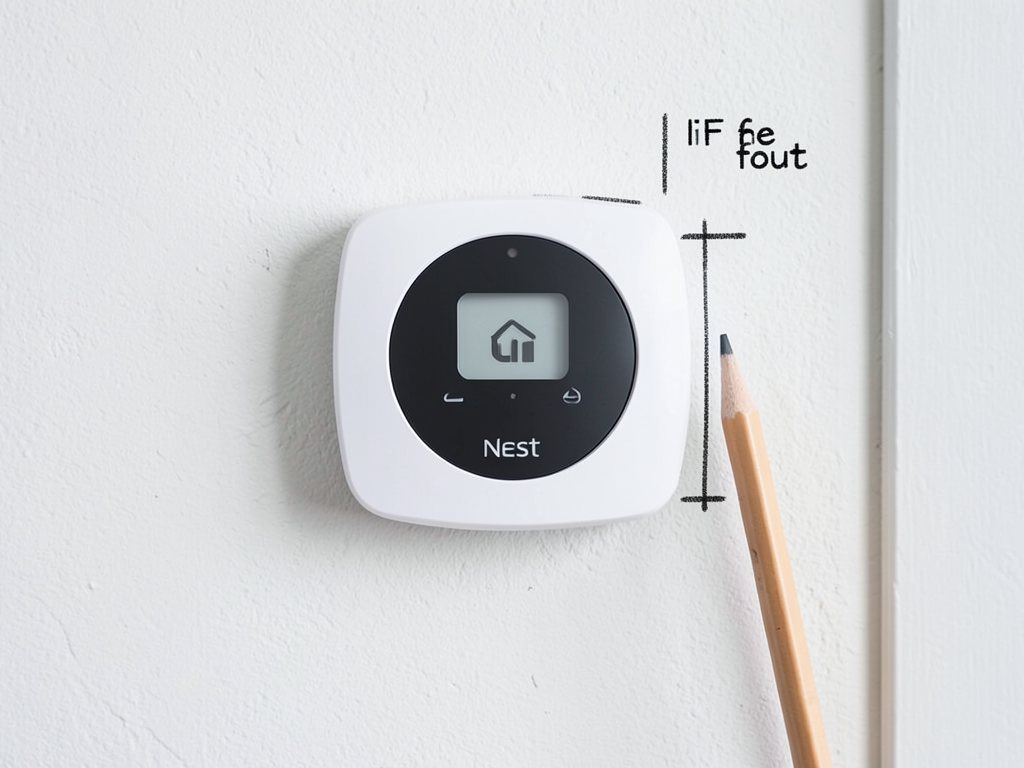
Why Your Riverside Thermostat Might Be Lying to You
Your thermostat controls your entire cooling system but if it is in the wrong spot it might be telling your AC to run when it should not. A thermostat placed near a hot window or a drafty door will sense temperatures that do not reflect the true comfort level in your home. This leads to wasted energy higher bills and rooms that never feel quite right. Energy Star thermostat specifications.
In Riverside’s intense summer heat this problem gets worse. Exterior walls absorb heat all day long and if your thermostat is mounted on one of those walls it will think your home is hotter than it really is. The result is your AC running longer than necessary and your energy costs climbing. The fix is not just about comfort it is about saving money and reducing wear on your system.
Let us look at the most common mistakes and how to correct them so your thermostat gives you honest readings every time.. Read more about Why Your AC Turns On and Off Every Few Minutes (And How to Fix the Short Cycling).
The Golden Rule: Where Should Your Thermostat Live
The best place for a thermostat is on an interior wall in a central location about five feet above the floor. This height keeps it out of reach of children but low enough to sense the air you actually breathe. Interior walls avoid the temperature swings that come from direct sunlight or cold drafts.
Avoid mounting the unit near supply vents where cold air blows directly on it. That cold blast will make your thermostat think the room is cooler than it really is and shut the system off too soon. Kitchens are another poor choice because oven and stove heat will trick the sensor into thinking your whole house is hot.. Read more about Why Smart Vents Might Be the Secret to Fixing Uneven Temperatures in Your Woodcrest Home.
If your home has an open floor plan or large common areas consider multiple sensors or a zoning system. Smart thermostats with remote room sensors can average readings from several spots so no single hot or cold zone throws off the whole system.
Five Places You Should Never Install a Thermostat in a Riverside Home
First never put a thermostat on a south or west facing exterior wall. In Riverside those walls bake in the sun all afternoon and can be ten to fifteen degrees hotter than the rest of your house. That heat radiates inward and your thermostat will call for cooling that is not needed.
Second avoid areas near large windows especially those without UV film or shading. Direct sunlight on the thermostat face can spike its reading in minutes. Even a few hours of sun exposure each day will make your AC run longer than necessary.
Third stay away from hallways with poor air circulation. A thermostat in a dead air space will not sense the true temperature of your living areas. You will get comfortable spots near the thermostat and uncomfortable pockets everywhere else.
Fourth keep the unit away from supply and return vents. The moving air creates a microclimate that does not represent your room’s actual temperature. That means short cycling or constant running depending on whether the air is hot or cold.. Read more about Moving Your Outdoor AC Unit to a Better Spot During a Riverside Backyard Remodel.
Finally never mount a thermostat by an exterior door or a frequently used entrance. Every time the door opens a rush of outside air hits the sensor and your system reacts to a temporary change instead of the real indoor climate.
Riverside Climate Considerations: Managing the Inland Empire Heat
Riverside summers often exceed one hundred degrees for weeks at a time. That kind of heat changes how your home stores and releases energy. Exterior walls especially those with southern exposure can stay hot into the evening long after the sun goes down. If your thermostat is on one of those walls it will keep your AC running late into the night.
Another local factor is the low humidity. Dry air feels cooler than humid air at the same temperature so a thermostat in a drafty spot may not account for the evaporative cooling effect people feel. This mismatch can make your home feel stuffy even when the system is working hard.
Older Riverside homes built before modern insulation codes often have less thermal break between inside and outside. That means the walls themselves become heat sinks. If your thermostat is mounted on an uninsulated exterior wall in one of these homes it is almost guaranteed to give false readings.
Consider adding radiant barrier sheathing or upgrading wall insulation if you live in an older neighborhood like Ramona or Magnolia Center. These improvements reduce the temperature swing your thermostat sees and make your system more efficient.
Multi Story Homes vs. Ranch Style Layouts
In a single story ranch home a central hallway thermostat often works well because the entire space shares one thermal zone. The challenge comes when you have vaulted ceilings or an open great room. Hot air rises and can pool near the ceiling leaving the floor level cooler than the thermostat reads.
For two story homes the temperature difference between floors can be six to eight degrees. A thermostat on the first floor will not know the second floor is sweltering and vice versa. This is where zoning systems or smart sensors become essential. Place a remote sensor upstairs and let the system decide when to cool each level.
Some newer Riverside developments feature bonus rooms over garages. These spaces are surrounded by hot attic air and poorly insulated floors. A thermostat in the main house will not sense that bonus room until it is already uncomfortable. A dedicated sensor or mini split in that room keeps it balanced.
If you have a split level or hillside home the lower level may stay cool while the upper level bakes. In these cases a single thermostat is not enough. Talk to a professional about multi zone controls that match your home’s unique geometry.
Smart Thermostats and Remote Sensors
Modern smart thermostats like the Ecobee and Nest can accept remote room sensors that measure temperature and motion. These sensors let you average readings from multiple locations so no single hot or cold spot controls the whole system. In a Riverside home you might place one sensor in the living room and another upstairs to balance the load.
Some models also track occupancy so they only heat or cool rooms that are in use. This feature can cut energy use by ten to fifteen percent in larger homes. It also solves the problem of a thermostat stuck in a rarely used hallway giving false readings.
Integration with whole home zoning systems takes this a step further. Each zone gets its own sensor and the system decides when to run based on the average of all zones. This prevents the upstairs from overheating while the downstairs is already comfortable.. Read more about How a Manual J Load Calculation Prevents Short Cycling in Moreno Valley New Builds.
Installation of remote sensors is simple. Most mount with adhesive or screws and connect wirelessly to the main unit. Placement follows the same rules as a main thermostat. Keep them away from vents windows and heat sources for accurate readings. How Much Does a New AC Installation Cost in Woodcrest Today?.
Professional Calibration and Installation Services
Even the best thermostat will not help if it is wired incorrectly or not calibrated to your system. Professional installation includes checking voltage polarity testing sensor accuracy and confirming that the unit communicates properly with your HVAC equipment. This step alone can improve efficiency by five to ten percent. Switching to a High Efficiency Heat Pump in Riverside to Save on Monthly Energy Bills.
A technician will also evaluate your home’s airflow patterns using a duct blaster or smoke pencil. These tools reveal leaks drafts and pressure imbalances that affect thermostat performance. Sealing a leaky duct near the thermostat can change its reading more than moving the unit itself.
Energy Star recommends having your system checked annually. During that visit ask the tech to verify thermostat placement and sensor function. Small adjustments like adding a sun shade or moving the unit a few feet can yield noticeable savings.. Read more about Five Things to Check Yourself Before Calling for Professional AC Repair in Highgrove.
If you are planning a remodel or room addition factor in thermostat location from the start. Running a new wire or adding a wireless sensor during construction is far easier than retrofitting later.
Energy Savings and Comfort Benefits
Correct thermostat placement can reduce cooling costs by up to fifteen percent in a typical Riverside home. That means hundreds of dollars saved each summer. It also reduces the runtime on your compressor which extends equipment life and lowers repair bills. Same Day Emergency AC Repair for Families in Orangecrest.
Comfort improves because every room stays closer to the set point. No more freezing kitchen and sweltering bedroom. With balanced temperatures you can raise the thermostat a degree or two without noticing a difference which saves even more energy.
Many utility companies offer rebates for smart thermostats and professional HVAC tune ups. Check with Riverside Public Utilities or Southern California Edison for current programs. These incentives can offset the cost of moving or upgrading your thermostat.
If your home still has a manual dial unit consider upgrading to a programmable or smart model. The combination of better placement and smarter control gives you the best of both worlds.
DIY Thermostat Relocation Tips
Moving a thermostat is a straightforward electrical job if you are comfortable with low voltage wiring. Turn off power at the breaker. Label each wire before disconnecting. Fish the new cable through the wall cavity to the desired location. Mount the backplate level and secure the wires to the correct terminals.
Test the system before buttoning up the wall. Set the thermostat to call for cooling and listen for the outdoor unit to start. If it does not come on double check your wiring. Once confirmed replace the cover and restore power.
If fishing new wire is not practical consider a wireless thermostat. These run on batteries and communicate with a receiver near your HVAC equipment. They install in minutes and avoid cutting into walls. Signal range is usually fifty to sixty feet so placement is more flexible.
Never mount a thermostat on an exterior wall without adding insulation behind it. Even a few inches of foam board can block enough heat transfer to make a difference. This small step prevents the wall from skewing your readings.
Call (951) 223-9644 for Expert Thermostat Placement
If you are tired of rooms that never feel right or energy bills that keep climbing it is time to get your thermostat working for you instead of against you. Our technicians know exactly where to place sensors for maximum comfort and efficiency in Riverside’s unique climate. We handle everything from simple relocations to full zoning system design.
Call (951) 223-9644 today to schedule your inspection. We will test your current setup explain your options and get your system balanced so every room feels just right. Do not let a bad thermostat location cost you another dollar in wasted energy.
Frequently Asked Questions
How far should a thermostat be from a supply vent?
At least three feet away from any supply vent. Closer than that and the cold or hot air blowing on the sensor will give a false reading and cause short cycling or constant running.
Can I install a thermostat on an exterior wall if I add insulation?
Adding insulation helps but interior walls are still better. Even with foam board an exterior wall will pick up heat from the sun and skew readings during the hottest part of the day.
Do smart thermostats really save money in Riverside?
Yes. When paired with proper placement and zoning they can cut cooling costs by ten to fifteen percent by avoiding unnecessary runtime and balancing temperatures between floors and rooms.
How high should a thermostat be mounted?
Five feet above the floor is the standard. This keeps it out of reach of children but low enough to sense the air you actually breathe. Higher mounting can make it read warmer air that rises near the ceiling. For more information, visit U.S. Department of Energy thermostat guide.