Combine Attic Insulation and HVAC Upgrades for a Cooler Hawarden Hills Home
Living in Hawarden Hills means dealing with Riverside’s intense summer heat. Your attic can reach 150 degrees on a 100-degree day. That heat radiates down into your living space and forces your air conditioner to work overtime. The combination of poor attic insulation and an aging HVAC system creates a perfect storm of discomfort and high energy bills. This guide explains how upgrading both your attic insulation and HVAC system together can dramatically improve your home’s comfort and efficiency. Energy Star HVAC efficiency ratings.
Why Hawarden Hills Homes Need Better Attic Insulation
Hawarden Hills sits in Riverside’s Climate Zone 10. This means summer temperatures regularly exceed 100 degrees. Heat transfers through your roof and into your attic. Without proper insulation, that heat moves directly into your living space. Your AC runs constantly trying to keep up. This creates short cycling. Short cycling wears out compressors faster and drives up utility costs.
Many Hawarden Hills homes were built before California Title 24 energy standards took effect. These older homes often have minimal insulation. Some have gaps or compressed areas that reduce effectiveness. The thermal envelope breaks down over time. Air leaks develop around attic access points. Ductwork in unconditioned attics loses cooled air before it reaches your rooms. California Title 24 Energy Standards.
Understanding R-Value Requirements for Riverside County
R-value measures insulation resistance to heat flow. Higher R-values mean better performance. California Title 24 requires minimum R-38 for attics in Climate Zone 10. Many energy experts recommend R-49 to R-60 for optimal performance in the Inland Empire. The difference matters during summer heat waves.
R-38 provides decent protection. R-60 cuts heat transfer nearly in half compared to R-38. The investment pays off through lower cooling costs. Your AC runs less frequently. Components last longer. The system maintains consistent temperatures without constant cycling.
Types of Attic Insulation Available in Riverside
Blown-in cellulose works well for most Hawarden Hills attics. It fills irregular spaces and creates a uniform thermal barrier. The material contains recycled content and resists fire. Installation crews blow it to the proper depth using specialized equipment. How Much Does a New AC Installation Cost in Woodcrest Today?.
Fiberglass batts offer another option. They install quickly in open attic spaces. The material resists moisture and won’t settle over time. Batts work best in attics with standard joist spacing and minimal obstructions.
Radiant barriers reflect heat before it enters your attic. They install under roof rafters or on attic floors. In Riverside’s intense sun, radiant barriers can reduce attic temperatures by 20 to 30 degrees. This works best when combined with traditional insulation.
The Connection Between Insulation and HVAC Performance
Attic insulation and your HVAC system work as a team. Poor insulation forces your AC to run longer cycles. This increases wear on compressors, fans, and electrical components. Your system struggles to maintain set temperatures. Rooms feel uneven. Some areas stay too warm.
Good insulation reduces the cooling load. Your AC runs shorter, more efficient cycles. The compressor doesn’t work as hard. This extends equipment life by several years. You avoid premature replacements that cost thousands of dollars.
Air sealing complements insulation. Small gaps around light fixtures, plumbing vents, and attic hatches let conditioned air escape. Sealing these leaks improves overall system efficiency. Your home holds temperature better between cycles. Switching to a High Efficiency Heat Pump in Riverside to Save on Monthly Energy Bills.
Common HVAC Problems in Older Hawarden Hills Homes
Many Hawarden Hills homes have HVAC systems over 15 years old. These units operate at 60 to 70 percent efficiency compared to today’s models. They use outdated refrigerants. Replacement parts become harder to find. Repairs grow more expensive each year. Same Day Emergency AC Repair for Families in Orangecrest.
Older systems often have undersized ductwork. This creates pressure imbalances. Some rooms get too much airflow. Others get too little. Your thermostat reads one temperature while other areas feel different.
Attic ductwork in older homes frequently develops leaks. Cooled air escapes into unconditioned spaces. Your system works harder to compensate. Energy bills climb even as comfort declines.
Energy Efficiency Rebates Available to Hawarden Hills Residents
Riverside Public Utilities offers rebates for energy efficiency improvements. You can receive up to $1,500 for attic insulation upgrades. The program requires minimum R-38 installation. Documentation must show before and after R-values.
Southern California Gas provides rebates for insulation projects. Federal tax credits through 2026 cover 30 percent of insulation costs up to $1,200. These incentives make upgrades more affordable.
Energy Star certified HVAC systems qualify for additional rebates. High-efficiency units with SEER ratings above 16 may earn $300 to $600 in utility rebates. Some manufacturers offer their own promotions during spring and fall.
Planning Your Insulation and HVAC Project
Start with an energy audit. A professional assessment identifies problem areas. The auditor uses thermal imaging to spot heat leaks. They measure current insulation levels. They check ductwork for leaks and proper sizing.
Remove old insulation if it’s damaged or contaminated. Rodent infestations create health hazards. Water damage reduces insulation effectiveness. Fresh installation over compromised material wastes money.
Air seal before adding new insulation. Caulk gaps around penetrations. Install weatherstripping on attic access doors. Seal ductwork connections. These steps maximize your investment.
Installation Process for Attic Insulation
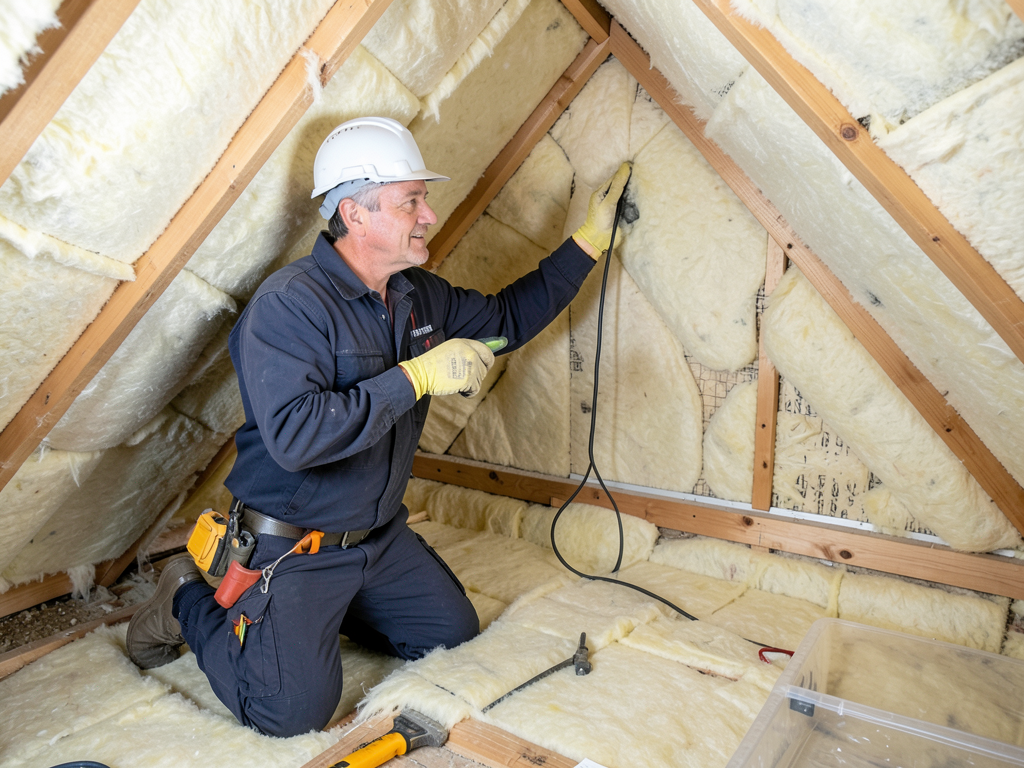
Professional crews follow specific steps for quality installation. They start by protecting your home. Drop cloths cover floors and walls. They seal off living spaces to prevent dust spread.
Old insulation removal comes next if needed. Workers use industrial vacuums to extract material. They dispose of it properly. The attic gets cleaned and inspected for damage.
Air sealing addresses gaps and cracks. Crews use spray foam for larger openings. Caulk works for smaller gaps. They pay special attention to areas around chimneys, vents, and light fixtures.
New insulation installs according to manufacturer specifications. For blown-in material, they use depth gauges to ensure proper coverage. Batts install between joists with no gaps or compression.
Final inspection verifies even coverage and proper depth. The crew cleans up completely. They provide documentation for rebate applications.
Selecting the Right HVAC System for Your Home
Proper sizing matters more than brand name. An oversized unit short cycles. This reduces efficiency and comfort. An undersized unit runs constantly without cooling adequately.
Manual J calculations determine correct sizing. These consider your home’s square footage, orientation, window area, and insulation levels. They factor in local climate data for Riverside.
SEER ratings indicate efficiency. Modern units range from 14 to 26 SEER. Higher numbers mean lower operating costs. The price premium often pays for itself through energy savings.
Variable speed technology improves comfort. These units adjust output to match demand. They run longer at lower speeds. This maintains even temperatures and better humidity control.
Timeline and Cost Considerations
Attic insulation typically completes in one day. Two-person crews can insulate a standard home in 4 to 6 hours. HVAC replacement takes 1 to 2 days depending on system complexity.
Costs vary by home size and material choice. Basic blown-in cellulose for a 1,500 square foot attic runs $2,000 to $3,500. Premium materials and higher R-values increase costs. HVAC replacement ranges from $5,000 to $12,000.
Combined projects often cost less than separate installations. Contractors coordinate work to minimize disruption. You get one warranty covering both improvements.
Maintenance After Installation
Check insulation depth annually. Look for settling or damage. Replace any material that gets wet or compressed. Keep attic vents clear to prevent moisture buildup.
Change HVAC filters every 1 to 3 months. Schedule professional maintenance twice yearly. Spring checks prepare for summer. Fall checks ensure heating readiness.
Monitor energy bills for unexpected increases. Sudden jumps may indicate developing problems. Address issues early to prevent costly repairs.
Environmental Benefits of Combined Upgrades
Better insulation and efficient HVAC reduce carbon emissions. Your home uses less electricity from power plants. This helps California meet climate goals. The Inland Empire faces unique challenges from urban heat islands.
Modern refrigerants have lower global warming potential. New systems use environmentally friendly alternatives to older chemicals. Proper disposal of old equipment prevents harmful releases.
Energy savings add up over decades of home ownership. The environmental impact multiplies across neighborhoods. Hawarden Hills can lead by example in sustainable living.
Frequently Asked Questions
How much can I save on energy bills with these upgrades?
Most homeowners see 20 to 40 percent reductions in cooling costs. Savings depend on your current system age and insulation levels. The return on investment typically takes 3 to 7 years.
Will new insulation make my home too tight?
Proper air sealing improves efficiency without creating indoor air quality problems. Modern HVAC systems include ventilation features. You maintain healthy airflow while reducing energy waste.
Do I need a permit for attic insulation in Riverside?
Attic insulation typically doesn’t require permits unless you’re doing electrical work. HVAC replacements need permits from Riverside County. Professional contractors handle permitting as part of the installation process.
Can I install insulation myself to save money?
DIY installation risks uneven coverage and safety hazards. Professionals use specialized equipment for proper density and depth. They also handle disposal of old material and navigate rebate paperwork.
How do I know if my HVAC needs replacement or just repair?
Systems over 15 years old often justify replacement. Frequent repairs, rising energy bills, and uneven cooling indicate replacement timing. A professional assessment provides specific recommendations for your situation.
- Schedule Energy Audit
Have a professional assess your current insulation levels, HVAC efficiency, and overall home performance. This identifies specific problems and opportunities.
- Research Rebates and Incentives
Check Riverside Public Utilities, Southern California Gas, and federal programs. Many offer significant rebates that reduce project costs.
- Choose Qualified Contractors
Verify licenses, insurance, and experience with local building codes. Ask for references from Hawarden Hills homeowners with similar projects.
- Plan Timing Strategically
Schedule work during mild weather if possible. This minimizes disruption and allows for proper testing of new systems.
- Prepare Your Home
Clear attic access, protect valuables, and plan for temporary system downtime during HVAC replacement.
Take Action for a Cooler, More Efficient Home
The combination of proper attic insulation and an efficient HVAC system transforms your home’s comfort. You eliminate hot spots and cold drafts. Your energy bills drop significantly. Your equipment lasts longer with fewer repairs. The Inland Empire heat becomes manageable instead of overwhelming.
Hawarden Hills homeowners deserve comfort without breaking the bank. Modern building science provides proven solutions. California incentives make upgrades affordable. Professional installation ensures lasting results.
Don’t wait for another scorching summer to force your hand. The time to upgrade is now, before temperatures peak. Your home will thank you with lower bills and better comfort for years to come.
Ready to improve your Hawarden Hills home’s comfort and efficiency? Call (951) 223-9644 today to schedule your energy audit and learn about current rebates. Our local experts understand Riverside’s unique climate challenges and can recommend the perfect insulation and HVAC solution for your home.