
Your historic Downtown Riverside home deserves clean air as rich as its history. The combination of aging construction, local smog, and seasonal dust creates unique indoor air quality challenges that generic solutions cannot address. This guide walks you through proven strategies to breathe easier in your vintage property.
Why Riverside’s Downtown Homes Face Unique Air Quality Challenges
Downtown Riverside’s historic district features homes built before modern ventilation standards existed. Many properties constructed in the early 1900s have plaster walls, single-pane windows, and minimal insulation that allow outdoor pollutants to infiltrate easily. The South Coast Air Quality Management District reports Riverside County frequently experiences elevated ozone levels during summer months, with particulate matter from vehicle traffic and industrial sources settling into older homes through gaps and cracks. South Coast Air Quality Management District.
The Inland Empire’s geographic bowl effect traps pollutants, creating a bubble of compromised air that historic homes cannot filter naturally. Santa Ana winds bring additional dust and debris from surrounding desert areas, while the region’s agricultural heritage contributes pollen and agricultural chemicals that settle in older neighborhoods. Your vintage home’s charm comes with the responsibility of managing these environmental factors through modern air quality solutions. HVAC Palm Desert.
Common Indoor Air Quality Issues in Historic Downtown Properties
Older homes often harbor hidden air quality problems that newer construction avoids. Original plaster walls can develop hairline cracks that allow dust and allergens to circulate through wall cavities. Original HVAC systems typically lack modern filtration capabilities, and many downtown homes still use their original ductwork, which accumulates decades of dust, debris, and even pest contamination.. Read more about Common AC Problems in Older Magnolia Center Homes and How to Fix Them.
Lead-based paint dust from pre-1978 renovations creates serious health hazards. Original wood windows and doors develop gaps that create negative pressure, pulling outdoor air and pollutants inside. The combination of these factors means your historic home likely has indoor air quality issues that require professional assessment and remediation.
Professional Indoor Air Quality Assessment Process
A comprehensive IAQ assessment begins with diagnostic testing using specialized equipment. We measure particulate matter levels, humidity, carbon dioxide concentrations, and volatile organic compounds throughout your home. This baseline data reveals specific problem areas and helps prioritize solutions.
The assessment includes visual inspection of ductwork for leaks, contamination, and proper insulation. We check for moisture intrusion in basements and crawl spaces, which creates ideal conditions for mold growth. Testing for radon and carbon monoxide ensures these invisible hazards are not compromising your family’s health.
Our technicians use thermal imaging cameras to identify air leaks around windows, doors, and electrical outlets. This diagnostic process reveals how outdoor air enters your home and helps target sealing efforts for maximum effectiveness.
HEPA Filtration Systems for Historic Homes
High-Efficiency Particulate Air (HEPA) filters capture 99.97% of particles 0.3 microns or larger, including dust, pollen, mold spores, and bacteria. For historic homes, we recommend whole-house HEPA systems that integrate with your existing HVAC equipment rather than standalone units that create additional visual clutter. EPA Indoor Air Quality Information.
Modern HEPA systems can be installed with minimal modification to your home’s structure. We often use existing return air pathways and can conceal equipment in attics or mechanical closets. The key is selecting systems with low static pressure to work with older, less powerful HVAC equipment.
HEPA filtration reduces the need for frequent dusting and cleaning while improving respiratory health for occupants. The investment pays dividends through reduced maintenance and improved comfort in your historic property. Commercial Duct Cleaning.
UV Germicidal Light Technology
Ultraviolet germicidal irradiation (UVGI) technology uses UV-C light to destroy microorganisms in your HVAC system. This technology is particularly valuable for historic homes where ductwork cannot be easily replaced or cleaned. UV lights installed in the air handler or ductwork neutralize mold, bacteria, and viruses before they circulate through your home.
The lights operate continuously, providing 24/7 protection without requiring homeowner intervention. Installation takes less than two hours and does not damage historic materials. UV technology works synergistically with HEPA filtration, creating a comprehensive air purification system. How Much Does a New AC Installation Cost in Woodcrest Today?.
Energy costs for UV systems are minimal, typically less than $5 per month. The technology has been used in hospitals and laboratories for decades, proving its effectiveness in critical air quality applications.
Duct Cleaning and Sealing for Vintage Properties
Original ductwork in historic homes often contains decades of accumulated debris. Professional duct cleaning uses negative air pressure and specialized brushes to remove dust, debris, and contaminants without damaging historic materials. The process typically takes 4-6 hours for an average historic home.. Read more about Expert Duct Cleaning Services in Grand Terrace for a Cleaner Home.
Sealing ductwork is crucial for older homes where leaks can account for 20-30% of conditioned air loss. We use aerosol-based sealing technology that finds and seals leaks from the inside without requiring access to hidden areas. This process improves system efficiency while preventing contaminated air from entering through duct leaks. Switching to a High Efficiency Heat Pump in Riverside to Save on Monthly Energy Bills.
Many historic homes have asbestos-containing materials in original duct insulation. Professional assessment and safe removal are essential before cleaning or sealing work begins.
Humidity Control Solutions
Riverside’s dry climate creates unique humidity challenges for historic homes. Wood materials expand and contract with humidity changes, potentially damaging original features. Proper humidity control between 30-50% protects your home’s structure while improving comfort.
Whole-house dehumidifiers integrate with your HVAC system to maintain consistent humidity levels. These units are particularly important during Santa Ana wind events when outdoor humidity drops dramatically. The technology prevents static electricity, wood cracking, and respiratory irritation.
Modern humidifiers can be added for winter months when indoor heating creates excessively dry conditions. The key is precise control that maintains optimal levels without over-humidifying, which can promote mold growth.
Air Scrubber Technology for Enhanced Protection
Air scrubbers use advanced oxidation technology to reduce airborne contaminants, odors, and pathogens. These systems create hydroperoxides that neutralize pollutants throughout your home, not just in the HVAC system. For historic properties, air scrubbers provide an additional layer of protection without requiring structural modifications.
The technology is particularly effective against volatile organic compounds (VOCs) from original paint, finishes, and construction materials. Air scrubbers reduce odors, smoke, and other airborne irritants that accumulate in older homes with limited natural ventilation.
Installation typically takes 2-3 hours and can be performed without disturbing historic features. The systems operate silently and require minimal maintenance, making them ideal for preserving the character of your vintage home.
Comparing Air Quality Solutions for Historic Homes
| Solution | Installation Impact | Effectiveness | Best For |
|---|---|---|---|
| HEPA Filtration | Low | Very High | Dust, Allergens |
| UV Lights | Minimal | High | Microorganisms |
| Air Scrubbers | Low | High | VOCs, Odors |
| Duct Cleaning | Moderate | High | Debris Removal |
| Humidity Control | Low | Medium | Comfort, Preservation |
Seasonal Air Quality Considerations for Riverside
Riverside’s climate creates distinct air quality challenges throughout the year. Summer brings elevated ozone levels and increased air conditioning use, which can recirculate indoor pollutants. Fall Santa Ana winds introduce dust and debris that overwhelm standard filters.
Winter months see increased use of gas appliances and fireplaces, potentially creating carbon monoxide risks in older homes with outdated venting systems. Spring pollen season affects residents with allergies, while agricultural activities in surrounding areas contribute to particulate matter levels.
Understanding these seasonal patterns helps prioritize air quality improvements. For example, scheduling duct cleaning before summer ensures your system operates efficiently during peak cooling season. Installing UV lights before fall provides protection during Santa Ana wind events.
Maintaining Your Historic Home’s Air Quality System
Regular maintenance ensures your air quality investments continue performing optimally. HEPA filters typically require replacement every 6-12 months, depending on usage and local conditions. UV light bulbs need replacement every 12-24 months, even if they still produce visible light, as UV output diminishes over time.
Annual professional inspections identify developing issues before they become major problems. This includes checking for duct leaks, verifying system operation, and testing air quality levels to ensure improvements are maintained.
Simple homeowner tasks include keeping supply and return vents clear of furniture and dust, changing HVAC filters regularly, and monitoring humidity levels with a hygrometer. These basic steps complement professional maintenance and ensure consistent air quality.
Local Resources and Support
The South Coast Air Quality Management District provides air quality alerts and educational resources specific to Riverside County. Their website offers real-time air quality index readings and health recommendations during high-pollution events.
Riverside Public Utilities offers energy efficiency rebates that can offset the cost of high-efficiency air quality equipment. These programs change annually, so checking current offerings can provide significant savings on system upgrades.
Local historical societies often have resources about your home’s original construction and materials, which can inform air quality improvement strategies that preserve historic integrity while improving modern comfort.
Cost Considerations and ROI
Air quality improvements represent an investment in both health and property value. Basic HEPA filtration systems start around $800-$1,200 installed, while comprehensive whole-house systems with multiple technologies range from $3,000-$8,000 depending on home size and complexity.
The return on investment includes reduced medical expenses from improved respiratory health, lower HVAC maintenance costs due to cleaner systems, and potential energy savings from more efficient operation. Historic homes often see the greatest ROI due to their inherent air quality challenges.
Many improvements qualify for energy efficiency tax credits and local utility rebates, which can reduce net costs by 20-40%. Professional assessment helps identify which improvements provide the best value for your specific situation.
Frequently Asked Questions
Will air quality improvements damage my historic home’s original features?
Professional installation focuses on preserving historic integrity. Most modern air quality systems can be installed without visible modifications to original features. We use existing pathways and conceal equipment to maintain your home’s character.
How long do air quality improvements typically last?
Quality air quality systems last 10-15 years with proper maintenance. Filters require replacement every 6-12 months, and UV bulbs need replacement every 1-2 years. The equipment itself has similar longevity to standard HVAC components.
Can I install air quality improvements myself?
While some basic filtration upgrades are DIY-friendly, comprehensive systems require professional installation to ensure proper operation and warranty coverage. Professional assessment also identifies specific issues unique to your historic home that DIY approaches might miss.
Will these improvements help with seasonal allergies?
Yes. HEPA filtration and air scrubbers significantly reduce pollen, dust, and other allergens that trigger seasonal allergies. Many customers report dramatic improvement in allergy symptoms after installing comprehensive air quality systems.
How do I know which improvements my home needs?
Professional IAQ assessment is the best way to identify specific issues and recommend targeted solutions. Every historic home has unique characteristics that affect air quality, making customized recommendations essential for optimal results.
- Schedule Professional Assessment
Have a certified technician test your home’s air quality and identify specific issues affecting your historic property.
- Prioritize Solutions
Based on assessment results, determine which air quality improvements will provide the most benefit for your specific situation.
- Install Appropriate Systems
Work with professionals to install HEPA filtration, UV lights, or other recommended technologies while preserving your home’s historic character.
- Maintain Regularly
Follow recommended maintenance schedules for filters, UV bulbs, and system inspections to ensure continued optimal performance.
Take Control of Your Home’s Air Quality Today
Your historic Downtown Riverside home deserves air as clean as its architecture is beautiful. Don’t let decades of dust, allergens, and pollutants compromise your family’s health and comfort. Professional air quality assessment and modern purification technology can transform your vintage property into a healthy, comfortable sanctuary.
The unique combination of Riverside’s climate, your home’s historic construction, and modern air quality challenges requires specialized knowledge and solutions. Our team understands both the preservation needs of historic properties and the air quality demands of modern living.
Call (951) 223-9644 today to schedule your comprehensive indoor air quality assessment. Our experienced technicians will evaluate your specific situation and recommend solutions that improve your air quality while preserving your home’s historic character. Don’t wait until allergy season or summer smog makes your air quality problems unbearable.
Pick up the phone and call (951) 223-9644 before the next Santa Ana wind event brings more dust into your home. Your family’s health and your home’s preservation are worth the investment in professional air quality solutions.
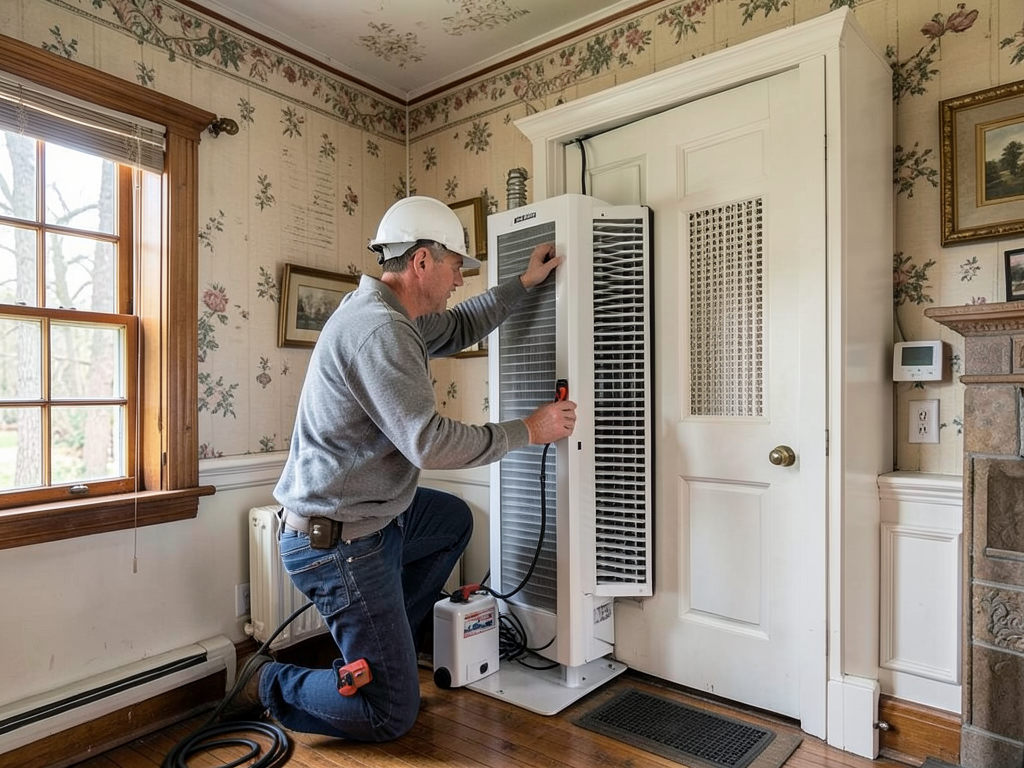
Diagram showing how HEPA filtration captures particles of different sizes, from visible dust to microscopic allergens and bacteria.
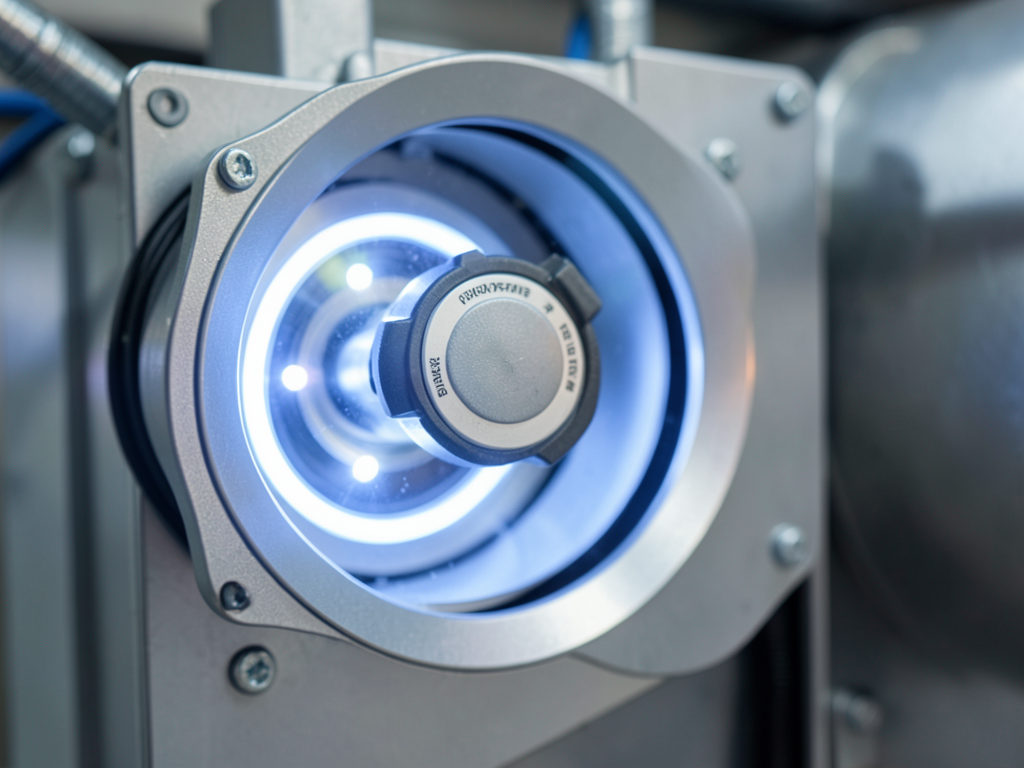
Technician installing UV germicidal lights in an HVAC system, demonstrating the non-invasive installation process for historic homes.. Read more about Choosing the Right MERV Rating for Your Mission Grove HVAC System Filters.
Before and after comparison of duct cleaning results, showing the dramatic improvement in system cleanliness and efficiency.