





Menu

Energy Saving Tips for Summer in Riverside – Cut Your Cooling Costs Without Sacrificing Comfort

Discover proven strategies to reduce air conditioning bills and lower summer utility costs in Riverside's intense heat. Learn how proper HVAC maintenance, smart thermostat settings, and simple home adjustments can deliver measurable summer energy efficiency without compromising your family's comfort.

Slider Image 1
Slider Image 2
Slider Image 3
Slider Image 4
Slider Image 5
Slider Image 7
Slider Image 8
Slider Image 9
Slider Image 10
Slider Image 11

Why Riverside Homeowners Face Higher Summer Energy Bills

Riverside summers push air conditioning systems to their absolute limits. When temperatures regularly climb above 100 degrees from June through September, your AC runs longer cycles and consumes more electricity than in milder climates. The inland valley location traps heat, and the urban heat island effect in downtown neighborhoods near the Mission Inn adds another 5 to 8 degrees to ambient temperatures.

Many homes in historic districts like Wood Streets and Downtown were built before modern insulation standards existed. Single-pane windows, minimal attic insulation, and older ductwork create thermal inefficiencies that force your system to work harder. Meanwhile, newer developments in Canyon Crest and Orangecrest often feature large south-facing windows that create solar heat gain throughout the afternoon.

The California Energy Commission reports that cooling accounts for up to 47 percent of summer electricity use in Riverside County. Every degree you lower your thermostat increases energy consumption by roughly 3 percent. When your AC struggles against poor insulation, leaky ducts, or a dirty condenser coil, that percentage climbs higher.

Ways to lower cooling costs start with understanding how Riverside's climate challenges your system. The dry heat means evaporative cooling could supplement your AC. The temperature swings between day and night create opportunities for strategic ventilation. Reducing air conditioning bills requires matching your approach to local conditions rather than following generic advice written for humid climates or moderate temperatures.

Why Riverside Homeowners Face Higher Summer Energy Bills
How Strategic HVAC Optimization Cuts Summer Energy Consumption

How Strategic HVAC Optimization Cuts Summer Energy Consumption

Lowering summer utility costs requires a systems approach. Your air conditioner does not operate in isolation. It interacts with your ductwork, insulation, thermostat programming, and airflow patterns throughout your home.

Start with airflow optimization. Restricted airflow forces your compressor to run longer cycles, which spikes electricity consumption. A clogged air filter reduces airflow by up to 15 percent. Closed vents in unused rooms create pressure imbalances that reduce system efficiency. Furniture blocking return grills restricts circulation and creates hot spots.

Next, address heat gain prevention. Your AC removes heat that enters your home through windows, walls, and the attic. Reflective window film on west-facing windows blocks infrared heat before it penetrates your living space. Proper attic ventilation prevents superheated air from radiating through your ceiling. Sealing gaps around doors and windows stops hot outdoor air from infiltrating conditioned spaces.

Thermostat programming delivers measurable savings when matched to your actual occupancy patterns. A programmable thermostat can reduce cooling costs by 10 percent when set to 78 degrees during occupied hours and 85 degrees when everyone leaves for work or school. Smart thermostats learn your schedule and adjust automatically.

Maintenance prevents efficiency losses over time. Refrigerant charge affects cooling capacity. A system running 10 percent low on refrigerant consumes 20 percent more electricity while delivering less cooling. Dirty condenser coils reduce heat transfer efficiency. Worn blower motor bearings increase friction and electrical draw. Summer energy efficiency ideas only work when your equipment operates at design specifications.

Your Home Energy Assessment Timeline

Energy Saving Tips for Summer in Riverside – Cut Your Cooling Costs Without Sacrificing Comfort
01

Initial System Evaluation

We measure your current cooling costs by reviewing utility bills and calculating your home's energy baseline. Our technicians inspect your thermostat settings, check air filter condition, and assess airflow at each register. We use thermal imaging to identify hot spots and insulation gaps. This diagnostic phase reveals which factors drive your specific energy consumption pattern in Riverside's climate.
02

Efficiency Opportunity Analysis

We test refrigerant charge, measure static pressure in your duct system, and evaluate condenser coil cleanliness. Our assessment identifies whether your system operates at manufacturer specifications or has developed efficiency losses. We calculate the energy impact of sealed duct leaks, upgraded insulation, or thermostat programming changes. You receive a prioritized list of improvements ranked by cost savings potential and implementation complexity.
03

Implementation and Monitoring

After implementing recommended changes, we establish a monitoring schedule to verify savings. Smart thermostat data shows daily runtime reduction. Utility bill comparisons confirm decreased electricity consumption. We adjust thermostat programming based on your comfort feedback and actual usage patterns. The goal is sustained savings throughout Riverside's extended summer season without comfort compromises or constant manual adjustments.

Why Local HVAC Knowledge Matters for Summer Efficiency

Generic energy advice written for national audiences fails in Riverside because it ignores local climate realities. Recommendations designed for Houston's humidity or Seattle's mild summers waste your time and money when applied to inland Southern California conditions.

Horizon HVAC Riverside understands how the valley's temperature extremes affect system performance. We know that afternoon temperatures in Canyon Springs reach 108 degrees while Sycamore Canyon sees marine layer influence that drops evening temperatures into the 60s. This 40-degree daily swing creates ventilation opportunities that coastal or desert climates lack.

We account for Riverside's building stock diversity. Homes in Northside and Casa Blanca feature construction methods from the 1920s and 1930s. Developments in Orangecrest and Mission Grove follow modern building codes with different insulation standards and duct designs. A cooling strategy that works in a 1950s ranch in La Sierra fails in a two-story home in Woodcrest with cathedral ceilings and large windows.

Local utility rate structures matter. Southern California Edison's tiered pricing means your marginal cost per kilowatt-hour increases as consumption rises. Peak demand charges during summer afternoons make timing your cooling strategically important. We help you shift electricity usage to lower-rate periods without sacrificing comfort during the hottest hours.

Riverside's Santa Ana wind events create unique challenges. Hot, dry winds raise outdoor temperatures suddenly and increase infiltration through gaps around doors and windows. Systems designed for typical conditions struggle during these weather events unless properly optimized.

What Implementing Energy Savings Looks Like

Immediate Actions You Can Take Today

Some efficiency improvements deliver immediate results without professional service. Replace your air filter if it appears dirty or has been in place longer than three months. Close blinds and curtains on south and west-facing windows during afternoon hours to block solar heat gain. Verify that all supply registers remain open and unobstructed by furniture. Run ceiling fans counterclockwise to create a wind chill effect that makes 78 degrees feel like 75 degrees. These changes cost nothing but deliver measurable comfort improvements and reduced runtime for your air conditioner.

Professional Efficiency Assessment

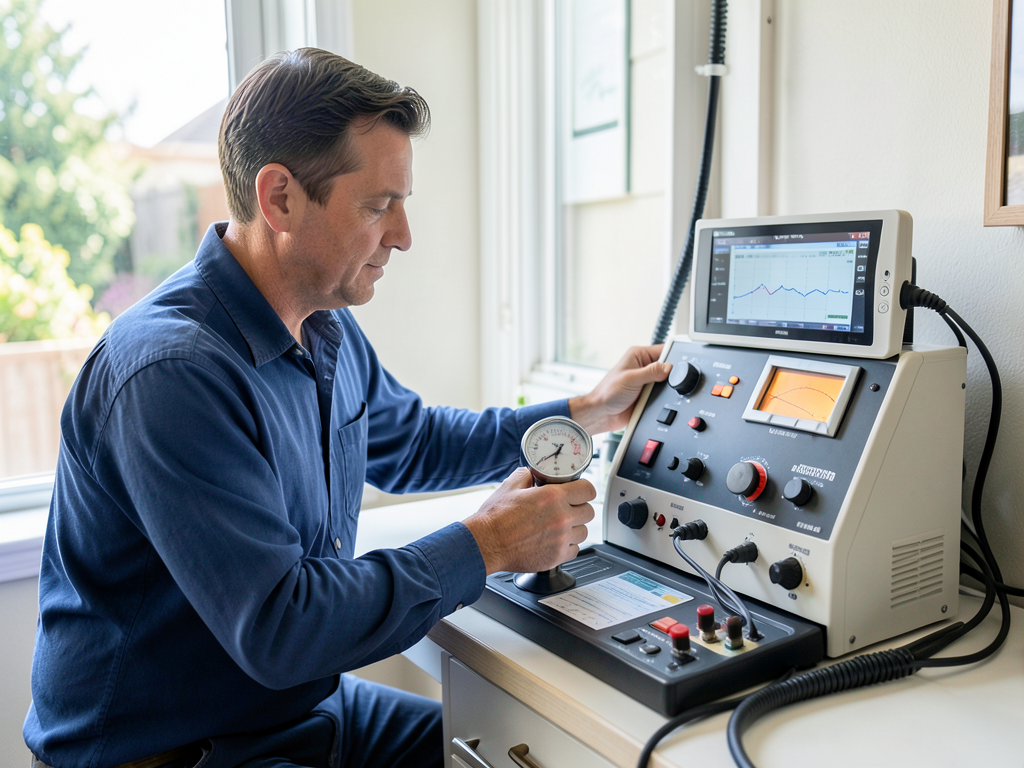
A comprehensive efficiency evaluation takes 90 to 120 minutes. Our technicians test refrigerant charge using superheat and subcooling measurements, not just gauge pressure. We measure temperature split across your evaporator coil to verify cooling capacity. A duct leakage test quantifies air loss in your distribution system. Thermal imaging identifies insulation gaps and air infiltration paths. We analyze your thermostat programming and suggest adjustments based on your schedule. You receive a written report with specific recommendations ranked by savings potential and implementation cost.

Measurable Results and Payback

Most efficiency improvements deliver payback within one to three cooling seasons. Sealing duct leaks typically reduces cooling costs by 15 to 25 percent with a payback period of 18 to 24 months. Proper refrigerant charge correction shows immediate improvement in cooling capacity and runtime reduction. Smart thermostat installation pays for itself within 12 months through optimized programming. Condenser coil cleaning restores 5 to 15 percent efficiency loss accumulated over years of operation. You will see reduced electricity consumption on your next utility bill after implementation.

Ongoing Maintenance for Sustained Savings

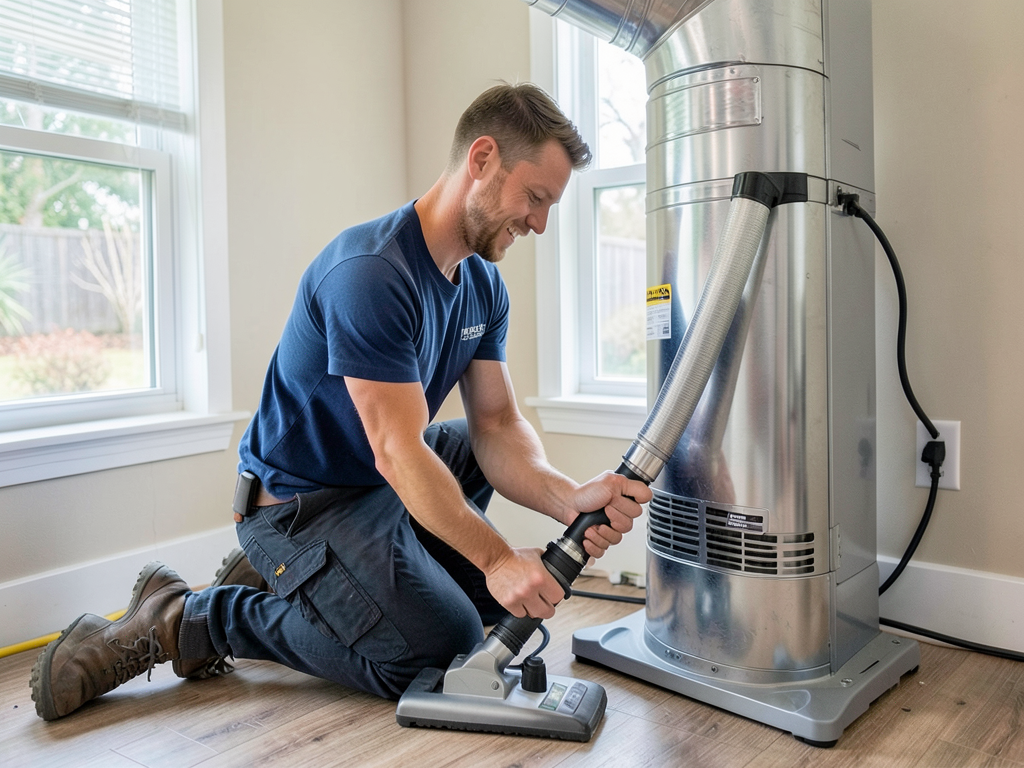
Efficiency degrades over time without regular maintenance. We recommend spring tune-ups before Riverside's summer heat arrives to prevent mid-season failures and efficiency losses. Maintenance visits include air filter replacement, condenser coil cleaning, refrigerant charge verification, and electrical connection inspection. We monitor your smart thermostat data remotely to identify performance changes that signal developing problems. Scheduled maintenance prevents the gradual efficiency decline that increases cooling costs by 5 percent per year in unmaintained systems. Our maintenance plan members receive priority scheduling and discounted service rates year-round.

Frequently Asked Questions

You Have Questions,
We Have Answers

How can we save energy in summer? +

Start by raising your thermostat to 78 degrees when home and higher when away. Riverside's dry heat makes ceiling fans effective for circulation. Close blinds during peak sun hours to block radiant heat. Run dishwashers and laundry after 7 PM when rates drop. Replace air filters monthly during summer. Seal gaps around doors and windows to prevent cool air loss. Schedule an HVAC tune-up before June to catch refrigerant leaks or dirty coils. Consider a programmable thermostat to automate temperature adjustments. These steps cut cooling costs by 20-30 percent in Riverside's triple-digit summers.

What are the 5 P's of energy conservation? +

The 5 P's are People, Process, Product, Place, and Program. People means training household members on energy habits. Process involves creating routines like shutting off lights when leaving rooms. Product refers to choosing energy-efficient appliances and LED bulbs. Place focuses on optimizing your home's layout and insulation for Riverside's climate. Program means tracking usage through utility dashboards or apps to identify waste patterns. This framework helps Riverside residents build systematic energy conservation rather than random effort. Applying all five P's reduces summer bills more effectively than focusing on equipment alone.

What runs up your electric bill the most? +

Air conditioning drives 50-70 percent of summer electric bills in Riverside. Running your AC unit constantly during 100-degree days forces the compressor to work nonstop. Pool pumps rank second, especially older single-speed models running 8-12 hours daily. Water heaters follow, particularly electric models reheating tanks after multiple showers. Older refrigerators with worn door seals waste significant energy. Phantom loads from devices in standby mode add 5-10 percent. In Riverside's extreme heat, your HVAC system dominates costs. Upgrading to a high-SEER unit and improving insulation delivers the biggest bill reduction.

Does keeping the AC at 72 save money? +

Setting your thermostat at 72 degrees costs more than necessary in Riverside. Each degree below 78 increases cooling costs by roughly 3-5 percent. Running at 72 during June through September adds $40-80 monthly compared to 78 degrees. Riverside's low humidity means 78 feels comfortable with proper air circulation. Your AC runs continuously at 72, never reaching the more efficient coasting cycle. If 78 feels warm initially, give your body three days to acclimate. Use fans to create wind-chill effect. Raising the temperature when you leave saves even more.

What is the $5000 AC rule? +

The $5000 AC rule suggests that if your AC repair costs exceed $5000 or your unit's age multiplied by repair cost exceeds $5000, replace rather than repair. For example, a 12-year-old unit needing a $500 repair equals $6000, signaling replacement time. In Riverside's punishing summers, aging AC units lose efficiency fast. A 15-year-old system runs 30-40 percent less efficiently than new models. Factor in Riverside Electric Utility rebates for high-efficiency replacements. This rule prevents throwing money at dying equipment. Consult a local HVAC technician for a cost-benefit analysis specific to your situation.

What are 5 energy saving tips? +

First, install a programmable thermostat and set it to 82 when away. Second, replace AC filters monthly during Riverside's dusty summer months. Third, seal ductwork leaks, which waste 20-30 percent of cooled air in attics. Fourth, switch to LED bulbs that emit 75 percent less heat than incandescent. Fifth, plant shade trees on south and west exposures to block afternoon sun. Riverside's intense UV radiation makes strategic landscaping valuable. These five actions cost little upfront but compound savings. Combining equipment efficiency with behavioral changes delivers the strongest results for Riverside homeowners.

What are 10 examples of conservation of energy? +

Conservation examples include upgrading to Energy Star appliances, installing solar screens on west-facing windows, using cold water for laundry, unplugging chargers when not in use, running full dishwasher loads, replacing single-pane windows with double-pane, adding attic insulation to R-38 or higher, switching to a tankless water heater, using a smart power strip for entertainment centers, and scheduling HVAC maintenance twice yearly. In Riverside, attic insulation and window treatments deliver outsized returns because of extreme heat. Each action reduces energy waste through different mechanisms. Combining multiple strategies creates cumulative savings that lower summer bills significantly.

How to lower electricity usage? +

Lower usage by conducting an energy audit to find waste. Check for air leaks around windows, doors, and attic hatches. Upgrade to a two-speed or variable-speed pool pump. Set your water heater to 120 degrees instead of 140. Use bathroom and kitchen exhaust fans sparingly since they expel cooled air. Cook outdoors or use a microwave instead of the oven during peak heat. In Riverside, focus on reducing AC runtime through better insulation and reflective roof coatings. Monitor usage through Southern California Edison's app to identify patterns. Small fixes add up to 15-25 percent reduction.

What are 10 ways to conserve resources? +

Install low-flow showerheads to reduce hot water demand. Use drip irrigation instead of sprinklers in Riverside's arid climate. Collect graywater for landscaping where permitted. Choose drought-tolerant native plants. Repair leaky faucets immediately. Run appliances during off-peak hours. Replace lawn areas with decomposed granite or artificial turf. Insulate hot water pipes to reduce heat loss. Use rain barrels during monsoon season. Install motion sensors on outdoor lighting. Riverside's water-energy nexus makes conservation critical since pumping and heating water consumes electricity. These strategies reduce multiple utility bills simultaneously while supporting regional sustainability goals.

Does leaving a TV plugged in use electricity? +

Yes, plugged-in TVs draw phantom power even when off. Modern smart TVs consume 1-5 watts in standby mode to maintain network connections and enable quick startup. Over a year, this costs $5-15 per television. Multiply that by cable boxes, gaming consoles, and sound systems, and phantom loads add up. In Riverside homes with multiple entertainment zones, standby power can reach 100 watts continuously. Use smart power strips that cut power completely when devices enter standby. This eliminates waste without unplugging manually. For devices used daily, the inconvenience outweighs savings, but bedroom TVs and guest room electronics should be unplugged.

How Riverside's Inland Valley Climate Drives Summer Cooling Costs

Riverside sits in an inland valley 50 miles from the Pacific Ocean, which creates temperature extremes that coastal communities avoid. Summer afternoons regularly exceed 100 degrees while humidity drops below 20 percent. This dry heat feels more tolerable than humid climates, but it forces air conditioners to run continuously during peak hours. The Box Springs and Santa Ana Mountains block marine layer cooling that reaches communities closer to the coast. Neighborhoods near the Santa Ana River bottom experience slightly cooler evenings, but hilltop areas in Canyon Crest and Woodcrest trap heat well into the night. Understanding these microclimates helps you optimize cooling strategies for your specific location rather than following generic advice.

Local HVAC contractors understand how Riverside's building codes and climate zones affect system design and efficiency opportunities. Homes built before 1978 often lack adequate attic insulation by modern standards. Developments constructed during the 1990s building boom used duct designs that meet code minimum requirements but leave efficiency gains on the table. We work throughout communities from Arlanza to Grand Terrace, and we recognize how construction era and architectural style affect cooling efficiency potential. This local knowledge means our recommendations address your actual home characteristics rather than theoretical best practices that ignore regional realities.
HVAC Services in The Riverside Area

We invite you to explore our service area and see where Horizon HVAC proudly delivers exceptional heating and cooling solutions. While our physical location serves as our hub, our dedicated team extends its expert services across the entire region, bringing unparalleled comfort and air quality directly to your doorstep, whether for residential or commercial needs, ensuring we’re always within reach for your HVAC requirements.

Address:
Horizon HVAC Riverside, 11801 Pierce St Suite 200, Riverside, CA, 92505

Additional Services We Offer

Our news updates

Latest Articles & News from The Blogs

A Guide for Riverside Tenants on Requesting HVAC Repairs and Maintenance Living in Riverside means dealing with extreme summer heat…

A Guide for Riverside Tenants on Requesting HVAC Repairs and Maintenance

A Guide for Riverside Tenants on Requesting HVAC Repairs and Maintenance Living in Riverside means dealing with extreme summer heat…

Propane vs Electric Heating for Rural Homes in the Outskirts of Woodcrest

Propane vs Electric Heating for Rural Homes in the Outskirts of Woodcrest Homeowners in the outskirts of Woodcrest face a…

Heating and Cooling Solutions for New Multi-Generational Suites in Sycamore Highlands

Heating and Cooling Solutions for New Multi-Generational Suites in Sycamore Highlands Building a multi-generational suite in Sycamore Highlands means creating…

Contact Us

Stop accepting high summer electricity bills as inevitable. Call Horizon HVAC Riverside at (951) 223-9644 today to schedule your comprehensive efficiency assessment. We will identify specific opportunities to reduce your air conditioning costs while maintaining comfort through Riverside's extended summer season.