




Menu

AC Blowing Warm Air in Riverside – Expert Diagnosis and Same-Day Repairs

When your air conditioning system stops cooling, you need fast answers and reliable repairs. Our certified technicians diagnose why your AC blowing warm air and restore cold airflow throughout your Riverside home today.

Slider Image 1
Slider Image 2
Slider Image 3
Slider Image 4
Slider Image 5
Slider Image 7
Slider Image 8
Slider Image 9
Slider Image 10
Slider Image 11

Why Your Riverside AC Is Blowing Hot Air Instead of Cold

You set the thermostat to 72 degrees, but your vents push warm air through every room. The compressor hums outside, the system runs continuously, yet your home heats up instead of cooling down. This frustration peaks during Riverside's triple-digit summer stretches when indoor temperatures climb into the mid-80s by afternoon.

Several mechanical failures cause an air conditioner blowing hot air. Refrigerant leaks drain the chemical that absorbs heat from your indoor air. When refrigerant levels drop below the manufacturer's specification, the evaporator coil cannot extract warmth, so your AC vents blow hot air instead of the cold relief you expect.

Compressor malfunctions create similar symptoms. The compressor pressurizes refrigerant and circulates it between the indoor and outdoor units. When this component fails, refrigerant stops moving through the system. Your blower fan continues pushing air, but without the cooling cycle, you get central air blowing warm air throughout the house.

Electrical issues interrupt the cooling sequence. A failed capacitor prevents the compressor from starting. Tripped breakers cut power to the outdoor unit while the indoor blower keeps running. Faulty thermostats send incorrect signals that keep the system in fan-only mode. These problems leave you with an ac running but not cooling, wasting energy while your home temperature rises.

Riverside's intense heat accelerates wear on condenser coils. Dust, cottonwood seeds, and debris from the Santa Ana winds coat the outdoor unit, blocking airflow and reducing heat transfer efficiency. When the condenser cannot expel heat, your air conditioning not blowing cold air becomes the immediate result.

Why Your Riverside AC Is Blowing Hot Air Instead of Cold
How We Fix Air Conditioners That Stop Cooling

How We Fix Air Conditioners That Stop Cooling

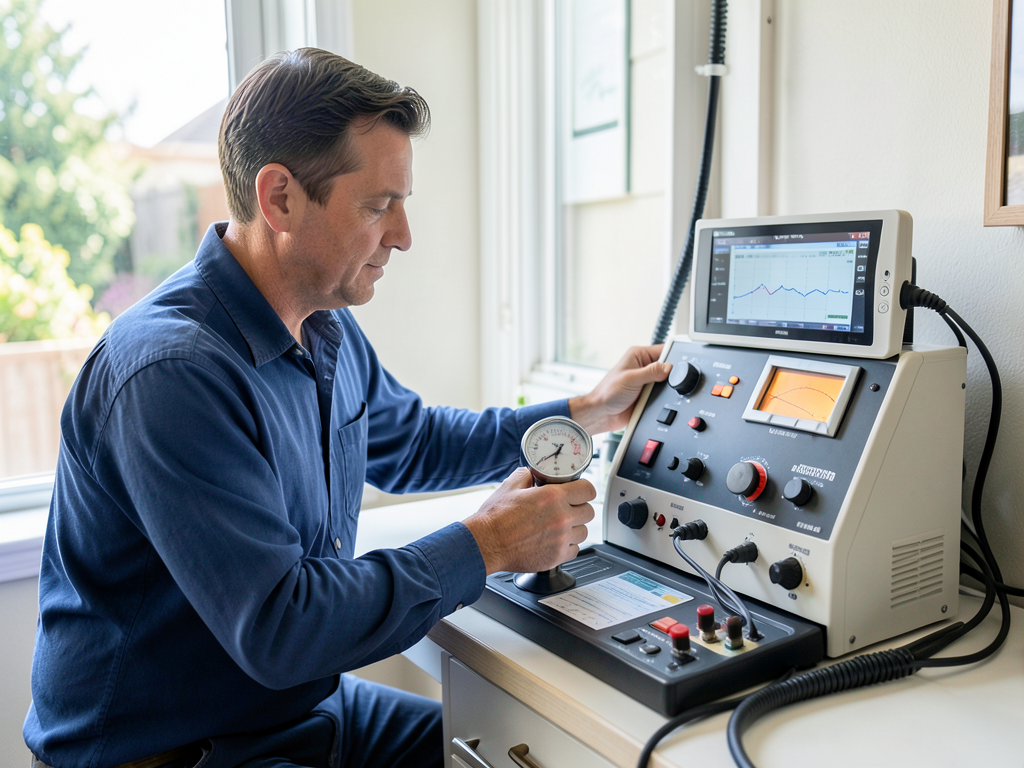
We begin every warm air diagnosis with refrigerant pressure testing. Using manifold gauges, we measure subcooling and superheat values at both the evaporator and condenser coils. These readings reveal whether your system has lost refrigerant through pinhole leaks in the line set or damaged service valves. Low pressure on the suction line confirms a leak. High pressure on both lines indicates a blocked metering device or contaminated refrigerant.

Compressor health comes next. We test amperage draw during startup and compare it to the nameplate specifications. Elevated amp draw signals failing bearings or seized pistons inside the compressor. We inspect the contactor for pitting and measure voltage at the terminals. A compressor that hums but does not start needs a replacement run capacitor. If the compressor runs but produces no pressure differential, internal valve failure requires complete compressor replacement.

Airflow verification catches problems that mimic refrigerant issues. We measure static pressure in the duct system and check the temperature split across the evaporator coil. A frozen coil indicates restricted airflow from a clogged filter or undersized return duct. We inspect the blower wheel for buildup and verify the motor capacitor delivers correct microfarad ratings.

Control system diagnostics identify electrical failures. We test thermostat wiring for continuity and voltage, checking that the Y wire sends 24 volts to engage the compressor. We examine the control board for burnt traces or failed relays that prevent proper staging. Outdoor disconnect switches, breakers, and fuses get tested for voltage drops that starve components of power.

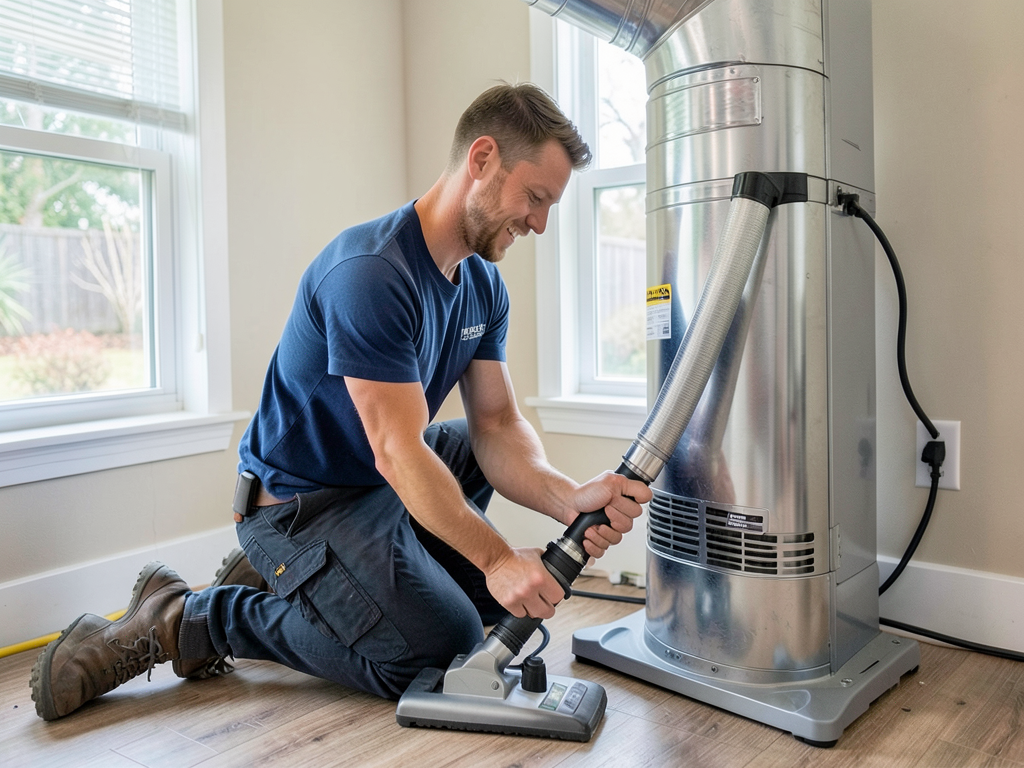
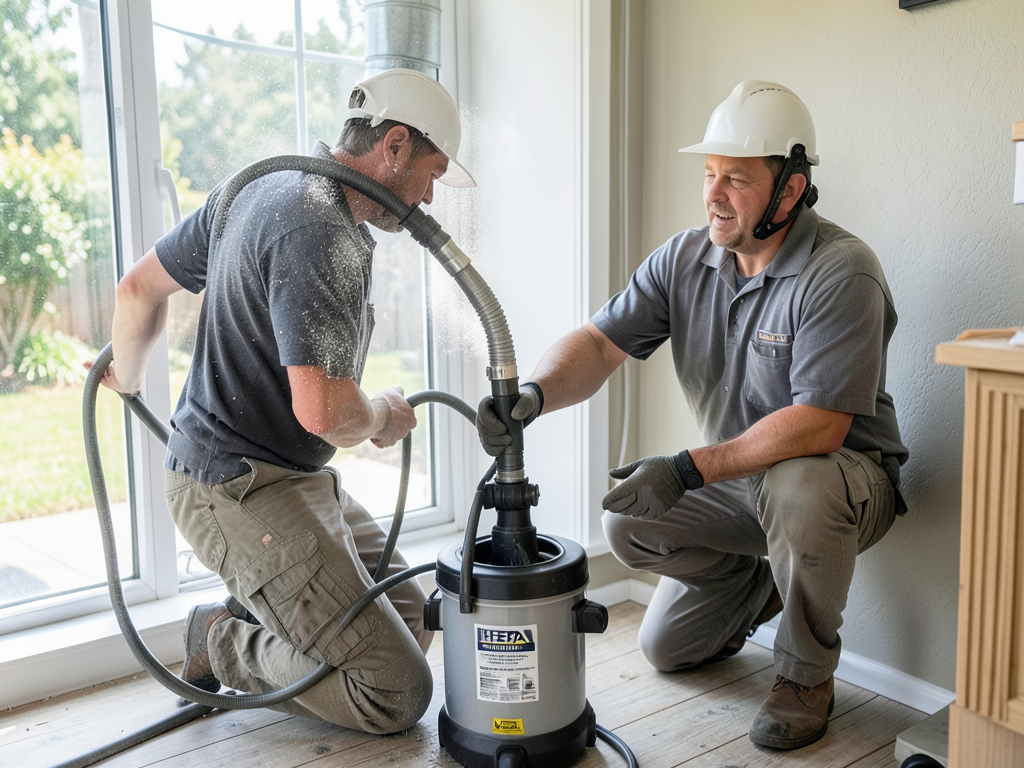
For Riverside systems, we clean condenser coils during every service call. The combination of dust and organic debris reduces heat rejection capacity by 30 percent or more, forcing the system to run longer while delivering warmer air.

What Happens During Your Warm Air Service Call

AC Blowing Warm Air in Riverside – Expert Diagnosis and Same-Day Repairs
01

System Performance Testing

We arrive within your scheduled window and immediately test your system under load. Our technician measures supply and return air temperatures, checks refrigerant pressures, and monitors electrical draw. These baseline readings identify whether the problem stems from refrigerant loss, mechanical failure, or airflow restriction. You get a clear diagnosis before any repair work begins.
02

Component-Level Diagnosis

We isolate the failed component using precision testing equipment. Refrigerant leaks get traced with electronic detectors and UV dye. Compressors undergo insulation resistance testing and valve efficiency checks. Capacitors get tested for microfarad ratings and voltage retention. This methodical approach finds the root cause instead of replacing parts until something works. You pay only for the repair your system actually needs.
03

Repair and Verification

After completing repairs, we run your system through multiple cooling cycles. We verify proper refrigerant charge using superheat and subcooling measurements. We test temperature split across the coil and confirm adequate airflow at every register. Before leaving, we document baseline performance data you can reference for future service. Your system cools properly, and you have proof it was fixed correctly.

Why Riverside Homeowners Choose Peak HVAC Tampa for AC Repairs

Riverside's climate punishes air conditioning systems harder than most California regions. Summer temperatures routinely exceed 100 degrees from June through September. Your AC runs 12 to 16 hours daily during peak heat, stressing compressors, wearing contactors, and accelerating refrigerant leaks. Systems that would last 15 years in coastal climates fail in 10 years here. You need technicians who understand how desert heat affects equipment performance and longevity.

We stock parts specifically for the brands installed throughout Riverside neighborhoods. Goodman, Carrier, Trane, and Rheem dominate local installations. Our service vehicles carry capacitors, contactors, and thermostatic expansion valves sized for these systems. When your AC fails on a 108-degree afternoon, we fix it during the first visit instead of ordering parts and returning days later.

Our technicians train on refrigerant handling and EPA compliance. California regulations restrict certain refrigerants and require specific recovery procedures during repairs. We maintain proper certification and use approved recovery equipment. Your repair meets state environmental standards, protecting you from potential fines during home sales or inspections.

We understand Riverside building codes and permit requirements. Major equipment replacements require permits through the city's building department. Load calculations must account for the extreme cooling loads common in this climate. Ductwork modifications need proper sizing to handle the 400 CFM per ton required for adequate dehumidification. We handle permitting, inspections, and code compliance so your repair or replacement passes scrutiny.

Peak HVAC Tampa operates year-round in Riverside's toughest conditions. We know which neighborhoods have older electrical panels that trip during compressor startup. We recognize the duct design mistakes common in 1980s tract homes that reduce airflow. This local knowledge speeds diagnosis and prevents repeat callbacks.

What to Expect When You Schedule AC Repair

Same-Day Response Times

We dispatch technicians within two hours of your call during business hours. Emergency service provides same-day response seven days per week. Our service area covers all Riverside ZIP codes, from Canyon Crest to Arlington Heights to La Sierra. You receive a call 30 minutes before arrival with the technician's name and estimated arrival time. During peak summer demand, we prioritize households with medical needs, young children, or elderly residents. Most repairs finish within three hours of our arrival.

Thorough Diagnostic Process

Our diagnostic fee covers complete system evaluation, not just a visual inspection. We test refrigerant charge, measure electrical draw on all major components, inspect ductwork for leaks, and verify thermostat calibration. You receive a written diagnostic report explaining what failed, why it failed, and what repair options exist. We provide upfront pricing before starting work. If you approve the repair, we credit the diagnostic fee toward the total cost. If you decline, you keep the diagnostic report for future reference or second opinions.

Quality Repair Standards

We install OEM-equivalent or better components during repairs. Capacitors meet or exceed original microfarad ratings. Contactors use silver-cadmium alloy contacts rated for 100,000 cycles. Refrigerant gets weighed into the system using digital scales accurate to 0.1 ounces. We pull vacuum to 500 microns and hold for 15 minutes before charging, ensuring no moisture or air contaminates the refrigerant circuit. Your system gets professionally tested after repairs. We measure supply air temperature, verify proper amp draw, and check for refrigerant leaks at all connections.

Service Documentation and Support

You receive detailed service records after every repair. Documentation includes parts replaced, refrigerant added, pressures measured, and temperatures recorded. We photograph damaged components and email images with your invoice. This documentation proves valuable during warranty claims or home sales. We offer maintenance agreements that include annual tune-ups, priority scheduling, and discounted repairs. Agreement members receive reminders before summer and winter seasons to schedule preventive service. Our technicians track your equipment history, catching developing problems before they cause breakdowns.

Frequently Asked Questions

You Have Questions,
We Have Answers

How do I fix my AC blowing warm air? +

Start by checking your thermostat. Confirm it's set to cool and the temperature is below your current room temp. Replace the air filter if it's dirty or clogged. Go outside and inspect your condenser unit. Clear any debris, leaves, or vegetation blocking airflow around the fins. Check your circuit breaker to ensure the outdoor unit has power. If these steps don't resolve it, you likely have a refrigerant leak, failed compressor, or frozen evaporator coil. Riverside's intense summer heat stresses AC systems hard. Call a licensed technician to diagnose the issue before it gets worse.

Why is my AC running but not cooling? +

Your AC runs but doesn't cool when key components fail. A dirty air filter restricts airflow over the evaporator coil, preventing heat absorption. Low refrigerant from a leak means your system can't transfer heat effectively. A failing compressor won't pressurize refrigerant properly. Riverside's extreme temperatures above 100 degrees push older units beyond capacity. Check your outdoor condenser unit. If the fan isn't spinning or the coils are caked with dirt and cottonwood seeds, airflow is blocked. A frozen evaporator coil also stops cooling. This happens when airflow drops or refrigerant runs low.

What is the 3 minute rule for air conditioners? +

The three-minute rule protects your compressor from short cycling damage. After your AC shuts off, wait three full minutes before restarting it. This allows refrigerant pressure to equalize between the high and low sides of the system. Restarting too quickly forces the compressor to start against high pressure, which strains the motor and can cause premature failure. Many modern thermostats include built-in delay timers. If you're troubleshooting or resetting your system in Riverside's heat, patience prevents expensive compressor burnout. Let the pressures balance before the next cooling cycle begins.

How to reset AC not blowing cold air? +

Turn off your AC at the thermostat. Go to your electrical panel and flip the breaker for your AC unit off. Wait five full minutes. This allows the system to fully depressurize and the control board to reset. Flip the breaker back on, then wait another three minutes before turning the thermostat back to cool. Check your air filter and outdoor condenser unit while waiting. If the system still blows warm air after the reset, you have a mechanical failure, refrigerant leak, or frozen coil. Riverside heat makes AC problems urgent. Call a technician if the reset doesn't work.

Should I turn off the AC if it blows hot air? +

Yes, turn it off immediately. Running an AC that blows hot air can worsen the problem and spike your energy bill. If the compressor is failing or refrigerant is leaking, continued operation causes more damage. A frozen evaporator coil needs time to thaw, which won't happen if you keep the system running. Turn the thermostat to off. Check your air filter and outdoor condenser for obvious issues. Riverside temperatures make a broken AC unbearable, but forcing a damaged system to run leads to costlier repairs. Switch to fan-only mode for air circulation while you arrange professional service.

How do I know if my AC condensate line is clogged? +

Check your drain pan under the indoor air handler. If water is pooling or overflowing, your condensate line is clogged. You may notice water stains on ceilings or walls near the unit. Some systems trigger a safety float switch that shuts down the AC when the pan fills. You'll get zero cooling if this happens. In Riverside, dust and biological growth clog lines faster due to constant AC use. Pour a cup of white vinegar into the drain line access port to clear minor blockages. If water still backs up, you need professional clearing or line replacement.

Should I turn off AC if it's not cooling? +

Yes, turn off your AC if it's not cooling properly. Continuing to run a malfunctioning system wastes energy and can cause secondary damage. A refrigerant leak or failing compressor gets worse with runtime. A frozen evaporator coil needs several hours to thaw completely. Running the blower on fan-only mode helps thaw ice, but the compressor must stay off. Riverside's brutal heat makes this decision tough, but forcing a broken AC to run turns minor repairs into major replacements. Shut it down, identify the problem, and get a technician out before you damage the compressor or burn out the blower motor.

What is the $5000 rule for AC? +

The $5,000 rule is a quick cost-benefit calculation for AC replacement versus repair. Multiply the repair cost by your system's age in years. If the total exceeds $5,000, replacement makes better financial sense. Example: a $600 repair on a nine-year-old unit equals $5,400, so replace it. This rule accounts for efficiency losses, rising repair frequency, and the risk of additional breakdowns. Riverside's extreme summer heat accelerates AC wear. A 12-year-old system struggling in 110-degree weather will likely need repeated expensive repairs. Factor in new unit rebates and energy savings when making the decision.

How to tell if AC is low on refrigerant? +

Low refrigerant shows specific symptoms. Your AC runs constantly but can't reach the set temperature. Ice forms on the refrigerant lines or evaporator coil. The outdoor condenser runs but feels less powerful. You hear a hissing or bubbling sound, indicating a leak. Your energy bills spike because the system works harder for less cooling. Refrigerant doesn't get used up, so low levels always mean a leak. Riverside's heat makes refrigerant pressure critical for performance. A technician must locate the leak, repair it, then recharge the system to factory specifications. Topping off refrigerant without fixing the leak wastes money.

How cool should my house be if it's 100 outside? +

Your AC should maintain about 20 degrees below outdoor temperature at peak performance. When Riverside hits 100 degrees outside, expect your indoor temp around 78 to 80 degrees if your system is properly sized and maintained. Units struggle to achieve bigger temperature gaps in extreme heat. Undersized systems, poor insulation, or aging equipment won't reach even that. Close blinds on sun-facing windows and run ceiling fans to improve comfort. If your home climbs above 85 degrees indoors during 100-degree days, your AC is undersized, low on refrigerant, or failing. Proper maintenance and sizing are critical in Riverside's climate.

How Riverside's Extreme Heat Accelerates AC Failures

Riverside sits in an inland valley where summer temperatures regularly hit 105 to 110 degrees. This extreme heat forces air conditioning systems to work harder than units in coastal California cities. Your compressor runs at maximum capacity for hours, building heat in the motor windings and stressing internal components. Condenser coils struggle to reject heat when outdoor air reaches 110 degrees, reducing system efficiency by 25 percent or more. Refrigerant pressures climb to dangerous levels, sometimes triggering high-pressure cutouts that shut the system down completely. These conditions cause premature compressor failures, refrigerant leaks at stressed joints, and capacitor burnout from sustained high temperatures. Systems installed in Riverside need more frequent maintenance and typically require major repairs three to five years sooner than identical units in milder climates.

Peak HVAC Tampa specializes in desert climate HVAC challenges. We understand how Riverside's temperature swings between 110-degree days and 70-degree nights stress thermal expansion valves and cause refrigerant migration. Our technicians recognize when dust storms coat condenser coils and block airflow, symptoms that coastal technicians might miss. We stock hard-start kits and oversized capacitors that help aging systems survive Riverside summers when replacement is not immediately affordable. This local expertise means accurate diagnosis on the first visit and repairs that address climate-specific stress factors other companies overlook.
HVAC Services in The Riverside Area

We invite you to explore our service area and see where Horizon HVAC proudly delivers exceptional heating and cooling solutions. While our physical location serves as our hub, our dedicated team extends its expert services across the entire region, bringing unparalleled comfort and air quality directly to your doorstep, whether for residential or commercial needs, ensuring we’re always within reach for your HVAC requirements.

Address:
Horizon HVAC Riverside, 11801 Pierce St Suite 200, Riverside, CA, 92505

Additional Services We Offer

Our news updates

Latest Articles & News from The Blogs

A Guide for Riverside Tenants on Requesting HVAC Repairs and Maintenance Living in Riverside means dealing with extreme summer heat…

A Guide for Riverside Tenants on Requesting HVAC Repairs and Maintenance

A Guide for Riverside Tenants on Requesting HVAC Repairs and Maintenance Living in Riverside means dealing with extreme summer heat…

Propane vs Electric Heating for Rural Homes in the Outskirts of Woodcrest

Propane vs Electric Heating for Rural Homes in the Outskirts of Woodcrest Homeowners in the outskirts of Woodcrest face a…

Heating and Cooling Solutions for New Multi-Generational Suites in Sycamore Highlands

Heating and Cooling Solutions for New Multi-Generational Suites in Sycamore Highlands Building a multi-generational suite in Sycamore Highlands means creating…

Contact Us

Your AC should blow cold air, not hot frustration. Call Peak HVAC Tampa at (951) 223-9644 now for same-day diagnosis and repair. Our technicians are ready to restore your comfort.