




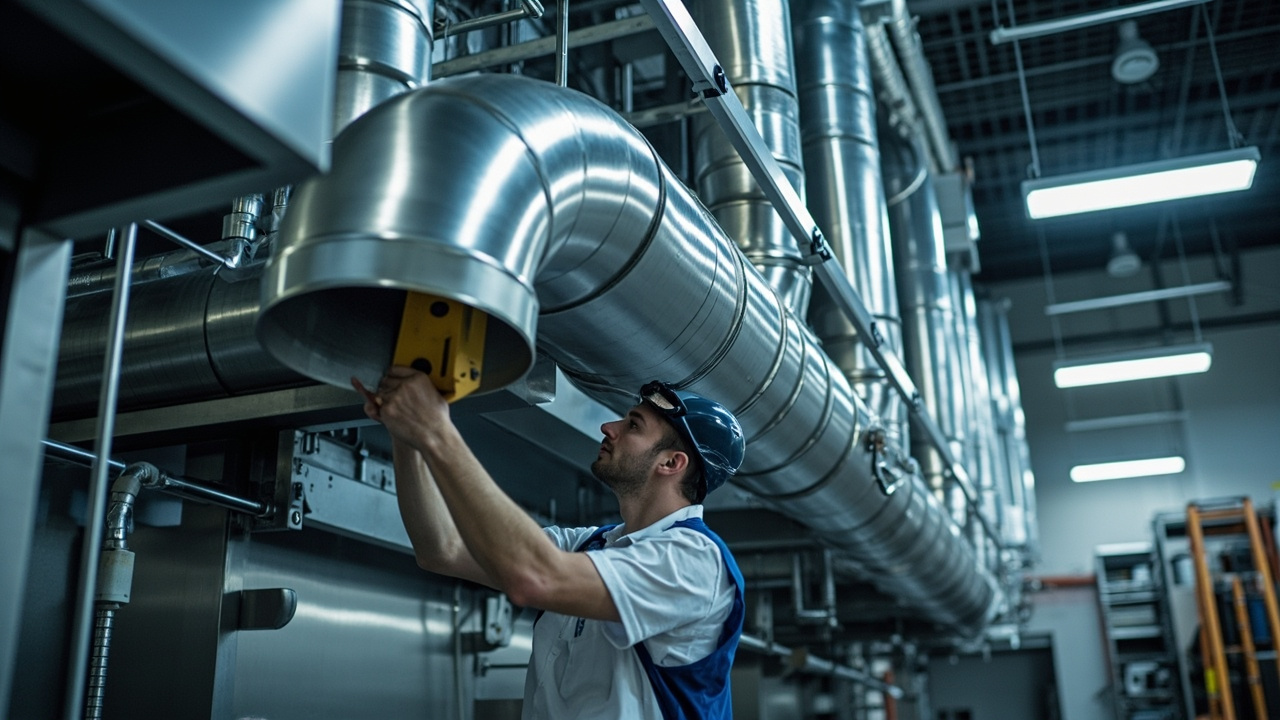
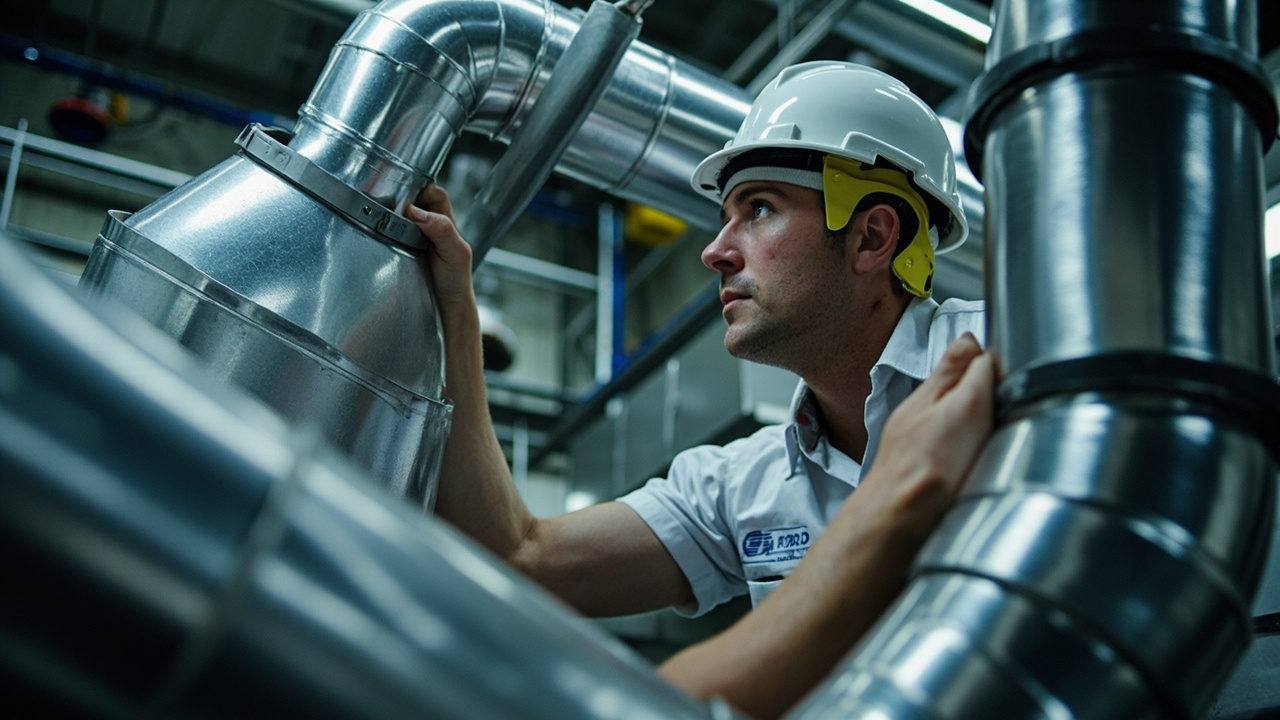
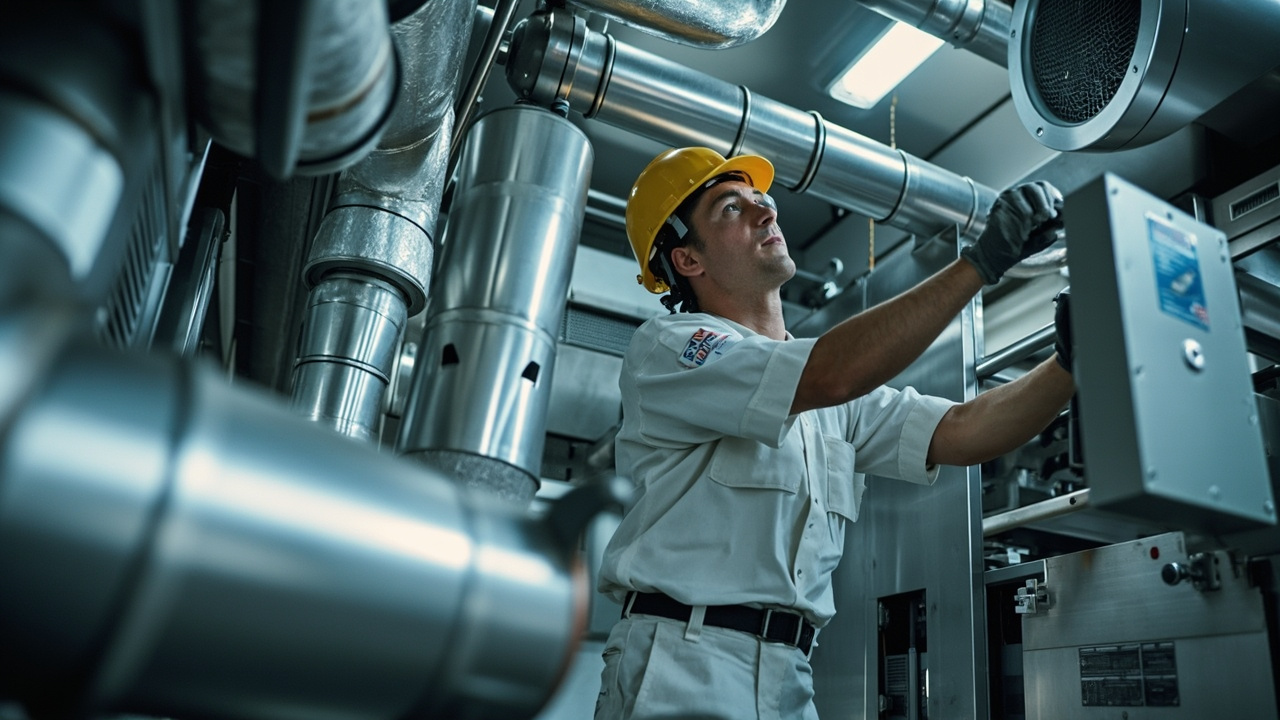
The Inland Empire logistics boom transformed Riverside's industrial footprint. Massive distribution centers replaced citrus groves along the 215 corridor, creating concentrated mechanical demands that strain existing utility infrastructure. These facilities require industrial air handling systems moving hundreds of thousands of cubic feet per minute to manage thermal loads from people, equipment, and solar gain through expansive roof surfaces. Southern California Edison grid capacity and demand charges make energy efficiency critical, not optional. Variable frequency drives, economizer controls, and demand-controlled ventilation reduce operating costs while maintaining required ventilation rates. Facilities ignoring these factors pay penalty rates during peak demand periods.
Riverside enforces California's stringent building codes with local amendments addressing seismic concerns and fire safety in mixed-use developments. Commercial ventilation projects require mechanical permits, plan review by city building officials, and final inspection before occupancy. Contractors unfamiliar with local procedures face delays, correction notices, and failed inspections that postpone facility openings. Horizon HVAC Riverside maintains working relationships with plan reviewers, understands submittal requirements, and designs systems that pass inspection without modifications. This local expertise protects project timelines and prevents costly rework. When compliance issues affect your facility, you need contractors who navigate regulatory requirements efficiently.