




Moreno Valley sits in the inland valleys of Riverside County, where summer temperatures regularly hit 100 degrees and winter nights drop below freezing. This extreme temperature swing punishes HVAC systems year-round. Your air conditioner runs six to eight months straight, cycling on and off dozens of times daily. Capacitors fail. Compressors overheat. Refrigerant leaks develop from constant expansion and contraction.
The high desert air carries dust and allergens that clog filters and coat evaporator coils, reducing efficiency by 30 percent or more. When your system works harder, it consumes more power and breaks down faster. Most Moreno Valley homes built in the 1980s and 1990s still use original ductwork that leaks conditioned air into attics and crawl spaces, wasting energy and money.
Winter heating presents different challenges. Gas furnaces sit idle for months, then fail to ignite when you need them. Heat exchangers crack from thermal stress. Blower motors seize from dust buildup. The desert climate is not forgiving to mechanical systems. Your HVAC equipment needs regular maintenance, fast repairs when problems arise, and eventual replacement with properly sized units designed for extreme conditions. Ignoring small issues leads to complete system failure at the worst possible time.
Horizon HVAC Riverside built our reputation on fast response and honest service in Moreno Valley's toughest climate conditions. We answer emergency calls 24/7 because we know AC failure in July heat or heater breakdown in January cold creates real danger for families. Our technicians carry fully stocked trucks with common parts for immediate repairs, so most service calls end with your system running the same day.
We provide upfront pricing before starting any work. You see the cost, understand what we're fixing, and approve the repair. No surprise charges. No hidden fees. No pressure to buy services you don't need. Our diagnostic process identifies the actual problem, not just symptoms, so repairs last.
Every technician on our team holds current certifications and completes ongoing training on new equipment and refrigerant regulations. We stay current with California Title 24 energy codes and Riverside County permit requirements. When your job needs permits or inspections, we handle the paperwork and scheduling.
We install, repair, and maintain all major brands and system types. Whether you have a basic split system, a heat pump, a package unit on your roof, or a high-efficiency variable-speed system, our technicians have the training and tools to service it correctly. We work on residential and commercial properties throughout Moreno Valley, from single-family homes to apartment complexes and retail spaces.
Our maintenance agreements prevent breakdowns by catching small problems before they become expensive failures. We clean coils, check refrigerant levels, test electrical components, lubricate motors, and replace filters on a schedule that keeps your system running efficiently year-round.

Your AC doesn't break on a schedule. We answer emergency calls day and night, weekends and holidays. When you call with no cooling or heating, we dispatch a technician immediately. Most emergency repairs get completed the same day because we stock common parts and our technicians know how to diagnose problems fast.

We diagnose the problem, explain what's wrong in plain language, and give you the repair cost before touching a wrench. You approve the price first. No hidden fees. No surprise charges when the work finishes. You know exactly what you're paying and why. This is how honest service works.
Every technician holds current California HVAC licenses and manufacturer certifications. We stay trained on new equipment, refrigerant regulations, and energy codes. When permits are required, we pull them and coordinate inspections. Your job gets done right and legal, protecting your home's value and your family's safety.
We've served Moreno Valley homes and businesses for years. We know how the desert climate punishes HVAC systems. We understand local building codes and utility rebate programs. Our technicians live in the community and respond faster because we're already nearby when you call for help.
Horizon HVAC Riverside handles every aspect of heating and cooling for Moreno Valley residential and commercial properties. We repair air conditioners when they fail, replace worn-out systems with energy-efficient equipment, and maintain HVAC units to prevent breakdowns. Our service range covers emergency repairs, planned replacements, seasonal maintenance, indoor air quality improvements, and ductwork modifications.
We work on all system types including central air conditioning, gas furnaces, heat pumps, package units, mini-splits, and commercial rooftop units. Whether you need a quick fix to restore cooling, a complete system replacement with proper load calculations, or ongoing maintenance to extend equipment life, we deliver professional service with honest pricing.
Our technicians diagnose problems accurately using digital testing equipment and years of field experience. We explain what failed, why it happened, and what options you have for repair or replacement. For older systems, we provide honest assessments about whether repair makes financial sense or replacement serves you better long-term. Our goal is solving your comfort problem correctly, not selling unnecessary services.
When your AC quits during a heat wave or your furnace fails on a cold night, you need help immediately. We respond to emergency calls 24/7 with fully stocked trucks and experienced technicians. Most emergency service calls end with your system running the same day. We repair compressor failures, refrigerant leaks, blower motor problems, electrical issues, thermostat malfunctions, and frozen coils. If repair isn't possible, we discuss replacement options and temporary solutions to keep you comfortable while new equipment arrives.
Old systems waste energy and break down frequently. We replace worn-out equipment with properly sized, high-efficiency systems matched to your home's cooling and heating load. Our installation process includes load calculations, ductwork inspection, refrigerant line sizing, electrical upgrades if needed, permit acquisition, and final inspection. We install all major brands and explain efficiency ratings, warranty coverage, and rebate opportunities. New systems come with manufacturer warranties and our installation guarantee.
Regular maintenance prevents breakdowns and extends equipment life. Our seasonal tune-ups include coil cleaning, refrigerant level checks, electrical component testing, blower motor lubrication, drain line clearing, filter replacement, and thermostat calibration. We catch small problems before they cause system failure. Maintenance agreements provide priority scheduling and discounted repairs. Clean, well-maintained systems run more efficiently, reducing energy bills and preventing expensive emergency repairs when you need your HVAC most.
Moreno Valley's extreme climate and aging housing stock create specific HVAC challenges. Most homes were built during the 1980s and 1990s construction boom, when builders installed minimum-efficiency equipment and marginally adequate ductwork. These systems are now 20 to 40 years old and failing. Combined with summer temperatures exceeding 100 degrees and winter lows in the 30s, HVAC equipment works harder in Moreno Valley than in coastal areas.
Desert dust and low humidity cause additional problems. Dust infiltrates systems through leaky return ducts and coats evaporator coils, reducing airflow and cooling capacity. Low humidity dries out seals and gaskets, causing refrigerant leaks. Extreme temperature swings stress electrical components, leading to capacitor failures and contactor burnout.
Many homeowners run undersized systems that cycle constantly, never achieving comfortable temperatures. Others have oversized units that short-cycle, creating humidity problems and premature compressor failure. Proper diagnosis and sizing matter more in this climate than anywhere else. Understanding these local challenges helps you recognize problems early and avoid expensive failures.
Many Moreno Valley homes have air conditioners too small for the cooling load or systems so old they've lost 40 percent of original capacity. Your AC runs constantly on hot days but never cools below 80 degrees. Energy bills climb while comfort suffers. Proper load calculations determine correct system size for efficient operation and comfortable temperatures.
Original ductwork in attics leaks conditioned air through disconnected joints and torn sections. Your system works harder while rooms stay uncomfortable. Attic temperatures reach 150 degrees in summer, so every leak wastes significant energy. Duct sealing and insulation improvements reduce energy consumption by 20 to 30 percent and improve comfort.
Copper refrigerant lines develop pinhole leaks from constant expansion and contraction in extreme temperatures. Your AC runs but doesn't cool properly. Ice forms on the outdoor unit. Simply adding refrigerant without finding and fixing the leak wastes money and damages your compressor. Proper repair locates leaks, repairs them permanently, and recharges the system correctly.
Desert dust coats evaporator and condenser coils, reducing heat transfer efficiency. Your system runs longer to achieve target temperatures, consuming more power and wearing out faster. Regular coil cleaning restores capacity and reduces operating costs. Improved filtration and sealed return ducts prevent dust infiltration and protect your system from premature failure.
We make HVAC service straightforward and stress-free. When you call our office, you speak with a real person who schedules your appointment or dispatches emergency service. We provide arrival time windows and call ahead when our technician is on the way. You're never left wondering when help will arrive.
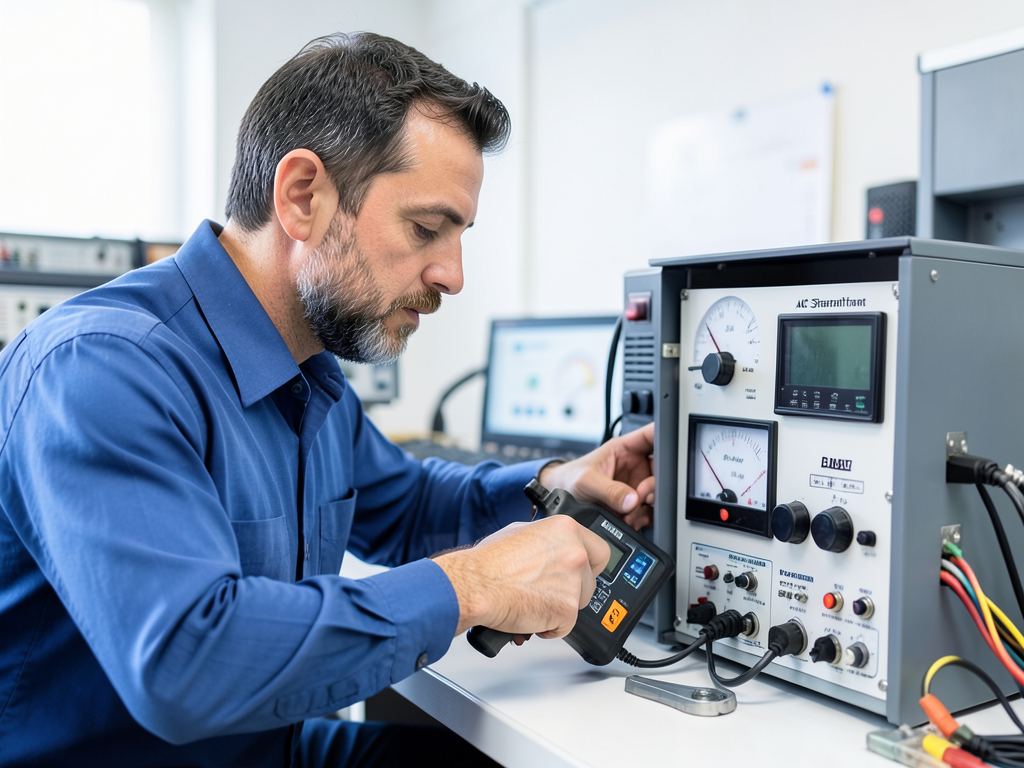
Our technicians arrive in clearly marked vehicles with fully stocked parts inventory. They protect your floors with shoe covers and work cleanly. After introducing themselves and confirming the problem you're experiencing, they perform diagnostic testing using digital meters and gauges. This process identifies the actual failure point, not just symptoms.
Once diagnosis is complete, your technician explains what failed, why it happened, and what repair options you have. For expensive repairs on old equipment, we discuss whether replacement makes more financial sense. You receive clear pricing before any work begins. After you approve the repair, we complete the work, test system operation, and clean up completely. You receive documentation of work performed and recommendations for preventing future problems. We stand behind our repairs and answer questions after we leave.
Emergency calls get immediate dispatch. Scheduled appointments receive confirmed time windows. We call when our technician is 20 minutes away so you're not waiting around all day. You can reach our office during business hours with questions or concerns. We return calls promptly and keep you informed throughout the repair process. Clear communication reduces stress and builds trust.
Our technicians use testing equipment to identify actual problems, not guess based on symptoms. We explain what failed in plain language you can understand. If your system is old and repair costs approach replacement costs, we tell you honestly. We never pressure you into unnecessary services or oversell equipment. Your best interest guides our recommendations.
We use quality replacement parts designed for your specific equipment. Repairs meet manufacturer specifications and code requirements. We test system operation thoroughly before leaving your property. If problems arise after repair, we come back and make it right. Our goal is permanent solutions, not temporary fixes that fail again next month.
HVAC service shouldn't be complicated or stressful. We've refined our process to deliver fast, effective solutions with complete transparency from first contact to final payment.
Call our office or submit a service request online. We gather information about your problem and schedule an appointment or dispatch emergency service immediately. You receive a confirmed time window and technician contact information. We call when our technician is approaching your location so you're prepared for arrival. This eliminates uncertainty and wasted time.
Our technician inspects your system, performs diagnostic tests, and identifies the problem. You receive a clear explanation of what failed and why. We provide upfront pricing for recommended repairs and answer all questions. You approve the work before we start. For major repairs, we discuss repair versus replacement options so you make informed decisions about your investment.
After you approve the repair, we complete the work using quality parts and proper techniques. We test system operation thoroughly to confirm the problem is solved. You receive documentation of work performed, warranty information, and maintenance recommendations. We clean up completely and answer final questions before leaving. Your system runs properly and you have peace of mind.
Professional HVAC work in Moreno Valley requires compliance with California Title 24 energy standards, Riverside County building codes, and manufacturer specifications. These regulations protect homeowners and ensure systems operate safely and efficiently. Understanding these technical requirements helps you recognize quality work and avoid contractors who cut corners.
California Title 24 mandates minimum efficiency ratings for new HVAC equipment. As of 2023, central air conditioners must meet 14 SEER2 minimum efficiency in California's climate zones. Heat pumps require 7.5 HSPF2 heating efficiency. These standards reduce energy consumption but require proper installation to achieve rated performance. Undersized or oversized equipment, inadequate airflow, or incorrect refrigerant charge prevents systems from meeting efficiency standards regardless of equipment ratings.
Manual J load calculations determine proper system sizing based on home square footage, insulation levels, window area, orientation, and internal heat gains. Oversized systems short-cycle, causing humidity problems and premature compressor failure. Undersized systems run constantly without achieving comfortable temperatures. Proper sizing requires detailed measurements and calculations, not guesses based on home square footage alone.
Refrigerant handling follows strict EPA regulations. Technicians must hold EPA Section 608 certification to purchase, handle, or dispose of refrigerants. R-410A refrigerant systems require specialized tools and gauges. Simply adding refrigerant without locating and repairing leaks violates EPA regulations and damages compressors. Proper service includes leak detection, repair, evacuation, and measured refrigerant charging based on manufacturer specifications.
Ductwork installation and modification require permits in Riverside County. Ducts must be sealed with mastic or approved tape, insulated to minimum R-6 values in unconditioned spaces, and sized for proper airflow. Return air systems need adequate sizing to prevent negative pressure that draws unconditioned air into the home. Duct leakage testing may be required for new installations or major modifications to ensure systems meet energy code requirements.
Manual J load calculations determine correct HVAC capacity for your home's specific characteristics. This detailed process accounts for insulation, windows, orientation, and internal heat gains. Proper sizing ensures efficient operation, comfortable temperatures, and long equipment life. Guessing system size based on square footage alone leads to problems and wasted money.
Installation quality affects system performance more than equipment brand. Proper refrigerant charge, correct airflow, sealed ductwork, and accurate thermostat placement determine whether your system achieves rated efficiency. Poor installation wastes energy, reduces comfort, and shortens equipment life. Quality installation costs more upfront but saves money through lower operating costs and fewer repairs.
HVAC systems in Moreno Valley's climate need maintenance twice yearly. Spring AC tune-ups and fall furnace inspections catch problems before breakdowns occur. Maintenance includes coil cleaning, refrigerant checks, electrical testing, and filter replacement. Neglected systems fail prematurely and waste energy. Regular maintenance extends equipment life by five to ten years.
System replacements and major repairs require permits from Riverside County. Permitted work gets inspected to ensure code compliance and safe operation. Unpermitted work creates liability issues and problems when selling your home. Professional contractors pull permits, coordinate inspections, and provide documentation. This protects your investment and ensures work meets safety standards.
This video explains HVAC service in Moreno Valley CA, including common air conditioning and heating problems caused by extreme desert climate. Topics include system sizing, ductwork issues, refrigerant leaks, maintenance importance, and choosing qualified contractors. Horizon HVAC Riverside provides emergency repair, system replacement, and preventive maintenance for residential and commercial properties throughout Moreno Valley and Riverside County.
Horizon HVAC Riverside serves all of Moreno Valley and surrounding Riverside County communities with fast, professional heating and cooling services. Our service area covers the established neighborhoods near Moreno Valley Ranch, the growing residential areas around TownGate Memorial Park, and the business districts along Highway 60 and Perris Boulevard.
We regularly service homes in the original Moreno Valley neighborhoods south of Alessandro Boulevard, where many properties still have original HVAC systems from the 1980s construction era. These systems require replacement or frequent repair as components wear out. The newer developments near Hidden Springs Park and the communities around Box Springs Mountain feature more recent construction with modern equipment, but desert climate conditions still cause premature wear and maintenance needs.
Commercial properties along Cactus Avenue and the retail centers near Moreno Valley Mall receive regular service for rooftop units and split systems. These commercial systems run longer hours than residential equipment and require more frequent maintenance to prevent downtime that affects business operations.
The neighborhoods bordering Riverside to the west and Perris to the east experience the same extreme temperature swings and dust problems. Whether your property sits near March Air Reserve Base or in the residential areas around Valley View High School, your HVAC system faces identical climate challenges. We know these areas well and respond quickly from our local service base.
Properties near the foothills experience slightly cooler temperatures but face stronger winds that stress outdoor equipment and increase dust infiltration. Homes at higher elevations often need different equipment sizing calculations than valley floor properties. Our technicians understand these micro-climate variations and adjust recommendations accordingly.
We also serve the unincorporated areas of Riverside County surrounding Moreno Valley, including the communities near Lake Perris and the rural properties east of Moreno Valley toward Beaumont. Response times may be slightly longer for remote locations, but we provide the same quality service and upfront pricing regardless of where your property is located. Our service area extends throughout the Inland Empire region, making us your local HVAC experts for all heating and cooling needs.
The $5000 rule is a simple guideline to help you decide between repair and replacement. Multiply the age of your system by the repair cost. If the result exceeds $5000, replacement makes more financial sense. For example, if your 12-year-old unit needs a $500 repair, that equals $6000, so you should consider a new system. In Moreno Valley, where summer temps regularly hit triple digits, an aging system works harder and fails faster. This rule helps you avoid throwing money at a dying unit when a new energy-efficient system saves you more long term.
Average HVAC jobs in Moreno Valley vary widely by scope. Basic repairs like thermostat replacement or capacitor fixes run a few hundred dollars. Coil cleaning or refrigerant recharge falls in the mid-range. Full system replacements represent the largest investment, with factors like square footage, efficiency rating, and ductwork condition affecting the total. Moreno Valley's desert heat demands properly sized equipment. A professional load calculation accounts for your home's insulation, window exposure, and layout. Expect transparent pricing that reflects quality equipment, skilled labor, and proper installation rather than cheap shortcuts that fail during peak summer demand.
A complete HVAC system includes the outdoor condenser unit, indoor air handler or furnace, thermostat, and ductwork. Pricing depends on efficiency ratings, brand, and your home's size. Higher SEER ratings cost more upfront but slash your electric bills, which matters in Moreno Valley where AC runs April through October. Single-stage systems cost less than variable-speed models, but variable-speed units provide better humidity control and temperature consistency. Ductwork modifications, permits, and disposal of old equipment add to the base equipment cost. Your home's specific cooling load determines the right tonnage and configuration for reliable comfort.
The $5000 rule is a simple guideline to help you decide between repair and replacement. Multiply the age of your system by the repair cost. If the result exceeds $5000, replacement makes more financial sense. For example, if your 12-year-old unit needs a $500 repair, that equals $6000, so you should consider a new system. In Moreno Valley, where summer temps regularly hit triple digits, an aging system works harder and fails faster. This rule helps you avoid throwing money at a dying unit when a new energy-efficient system saves you more long term.
Average HVAC jobs in Moreno Valley vary widely by scope. Basic repairs like thermostat replacement or capacitor fixes run a few hundred dollars. Coil cleaning or refrigerant recharge falls in the mid-range. Full system replacements represent the largest investment, with factors like square footage, efficiency rating, and ductwork condition affecting the total. Moreno Valley's desert heat demands properly sized equipment. A professional load calculation accounts for your home's insulation, window exposure, and layout. Expect transparent pricing that reflects quality equipment, skilled labor, and proper installation rather than cheap shortcuts that fail during peak summer demand.
A complete HVAC system includes the outdoor condenser unit, indoor air handler or furnace, thermostat, and ductwork. Pricing depends on efficiency ratings, brand, and your home's size. Higher SEER ratings cost more upfront but slash your electric bills, which matters in Moreno Valley where AC runs April through October. Single-stage systems cost less than variable-speed models, but variable-speed units provide better humidity control and temperature consistency. Ductwork modifications, permits, and disposal of old equipment add to the base equipment cost. Your home's specific cooling load determines the right tonnage and configuration for reliable comfort.
A 3000 square foot house in Moreno Valley typically needs a 4 to 5-ton system, depending on ceiling height, insulation quality, window placement, and sun exposure. Ranch-style homes with standard 8-foot ceilings may need less capacity than two-story homes with vaulted ceilings. Proper load calculation prevents oversizing, which causes short cycling and humidity problems, or undersizing, which leaves you uncomfortable during 105-degree summer days. Moreno Valley's inland location means extreme temperature swings. Your contractor should measure your home's thermal envelope and calculate cooling needs based on actual conditions, not just square footage alone.
A 4000 square foot home generally requires a 5 to 7-ton system or possibly a dual-zone configuration with two smaller units. The exact size depends on your home's construction, insulation values, and orientation. In Moreno Valley, west-facing homes absorb intense afternoon sun, increasing cooling loads. Two-story layouts may benefit from zoned systems that handle upstairs heat buildup separately from downstairs spaces. Multi-stage or variable-speed systems provide better efficiency for larger homes. Professional load calculations using Manual J methodology ensure you get adequate capacity without wasting money on oversized equipment that cycles inefficiently.
The 3-minute rule protects your compressor from damage. After your AC shuts off, wait at least three minutes before restarting it. This delay allows refrigerant pressures to equalize between the high and low sides of the system. Restarting too quickly forces the compressor to start against high pressure, which can damage internal components or trip the breaker. In Moreno Valley's extreme heat, compressors work hard and need this protection. Modern thermostats enforce this delay automatically. If you have an older thermostat or manually control your system, respect this rule to extend your compressor's lifespan and avoid costly repairs.
Air conditioning for a 2000 square foot home in California varies by efficiency level, brand, and installation complexity. Moreno Valley's inland heat drives higher cooling demands than coastal areas, making efficiency ratings critical for managing summer electric bills. A properly sized 3 to 4-ton system with adequate SEER rating balances upfront investment with long-term savings. Factors like existing ductwork condition, electrical panel capacity, and attic accessibility affect installation costs. California Title 24 energy requirements mandate certain efficiency standards for replacements. Get multiple quotes that include load calculations, not just price-per-ton estimates, to ensure proper system sizing.
HVAC systems last 15 to 20 years with proper maintenance, but Moreno Valley's climate tests equipment harder than milder regions. Your AC runs six to eight months yearly, accumulating wear faster than systems in temperate zones. Heat pumps work year-round and may have shorter lifespans. Factors affecting longevity include installation quality, regular filter changes, annual professional maintenance, and thermostat management. Running your system constantly at very low settings or neglecting tune-ups shortens lifespan dramatically. Coastal salt air accelerates corrosion, but Moreno Valley's dry heat and dust require diligent filter maintenance to prevent premature failure and compressor damage.
Common HVAC repairs in Moreno Valley include capacitor failures, refrigerant leaks, thermostat malfunctions, and contactor problems. Capacitors fail frequently in extreme heat, preventing compressors or fan motors from starting. Refrigerant leaks reduce cooling capacity and efficiency. Dirty evaporator coils freeze up, blocking airflow. Blower motor issues cause weak airflow or no air movement. Electrical problems like failed contactors or burnt wiring plague systems during high-demand periods. Clogged condensate drains trigger safety shutoffs. Many issues stem from deferred maintenance. Dust infiltration from surrounding desert areas clogs filters and coils faster than in other regions, making regular service essential for preventing breakdowns.
The best HVAC brand depends on your priorities. Carrier, Trane, and Lennox offer premium reliability and efficiency but command higher prices. Rheem and Goodman provide solid mid-range value. American Standard and Bryant deliver quality at competitive pricing. In Moreno Valley's punishing heat, reliability and warranty coverage matter more than brand prestige. Equipment performance depends heavily on proper installation and sizing. A perfectly installed mid-tier system outperforms a poorly installed premium brand. Focus on finding a qualified contractor who performs load calculations, follows manufacturer specifications, and services what they install. Local parts availability and technician familiarity with specific brands affect long-term satisfaction.
A 3000 square foot house in Moreno Valley typically needs a 4 to 5-ton system, depending on ceiling height, insulation quality, window placement, and sun exposure. Ranch-style homes with standard 8-foot ceilings may need less capacity than two-story homes with vaulted ceilings. Proper load calculation prevents oversizing, which causes short cycling and humidity problems, or undersizing, which leaves you uncomfortable during 105-degree summer days. Moreno Valley's inland location means extreme temperature swings. Your contractor should measure your home's thermal envelope and calculate cooling needs based on actual conditions, not just square footage alone.
A 4000 square foot home generally requires a 5 to 7-ton system or possibly a dual-zone configuration with two smaller units. The exact size depends on your home's construction, insulation values, and orientation. In Moreno Valley, west-facing homes absorb intense afternoon sun, increasing cooling loads. Two-story layouts may benefit from zoned systems that handle upstairs heat buildup separately from downstairs spaces. Multi-stage or variable-speed systems provide better efficiency for larger homes. Professional load calculations using Manual J methodology ensure you get adequate capacity without wasting money on oversized equipment that cycles inefficiently.
The 3-minute rule protects your compressor from damage. After your AC shuts off, wait at least three minutes before restarting it. This delay allows refrigerant pressures to equalize between the high and low sides of the system. Restarting too quickly forces the compressor to start against high pressure, which can damage internal components or trip the breaker. In Moreno Valley's extreme heat, compressors work hard and need this protection. Modern thermostats enforce this delay automatically. If you have an older thermostat or manually control your system, respect this rule to extend your compressor's lifespan and avoid costly repairs.
Air conditioning for a 2000 square foot home in California varies by efficiency level, brand, and installation complexity. Moreno Valley's inland heat drives higher cooling demands than coastal areas, making efficiency ratings critical for managing summer electric bills. A properly sized 3 to 4-ton system with adequate SEER rating balances upfront investment with long-term savings. Factors like existing ductwork condition, electrical panel capacity, and attic accessibility affect installation costs. California Title 24 energy requirements mandate certain efficiency standards for replacements. Get multiple quotes that include load calculations, not just price-per-ton estimates, to ensure proper system sizing.
HVAC systems last 15 to 20 years with proper maintenance, but Moreno Valley's climate tests equipment harder than milder regions. Your AC runs six to eight months yearly, accumulating wear faster than systems in temperate zones. Heat pumps work year-round and may have shorter lifespans. Factors affecting longevity include installation quality, regular filter changes, annual professional maintenance, and thermostat management. Running your system constantly at very low settings or neglecting tune-ups shortens lifespan dramatically. Coastal salt air accelerates corrosion, but Moreno Valley's dry heat and dust require diligent filter maintenance to prevent premature failure and compressor damage.
Common HVAC repairs in Moreno Valley include capacitor failures, refrigerant leaks, thermostat malfunctions, and contactor problems. Capacitors fail frequently in extreme heat, preventing compressors or fan motors from starting. Refrigerant leaks reduce cooling capacity and efficiency. Dirty evaporator coils freeze up, blocking airflow. Blower motor issues cause weak airflow or no air movement. Electrical problems like failed contactors or burnt wiring plague systems during high-demand periods. Clogged condensate drains trigger safety shutoffs. Many issues stem from deferred maintenance. Dust infiltration from surrounding desert areas clogs filters and coils faster than in other regions, making regular service essential for preventing breakdowns.
The best HVAC brand depends on your priorities. Carrier, Trane, and Lennox offer premium reliability and efficiency but command higher prices. Rheem and Goodman provide solid mid-range value. American Standard and Bryant deliver quality at competitive pricing. In Moreno Valley's punishing heat, reliability and warranty coverage matter more than brand prestige. Equipment performance depends heavily on proper installation and sizing. A perfectly installed mid-tier system outperforms a poorly installed premium brand. Focus on finding a qualified contractor who performs load calculations, follows manufacturer specifications, and services what they install. Local parts availability and technician familiarity with specific brands affect long-term satisfaction.
We invite you to explore our service area and see where Horizon HVAC proudly delivers exceptional heating and cooling solutions. While our physical location serves as our hub, our dedicated team extends its expert services across the entire region, bringing unparalleled comfort and air quality directly to your doorstep, whether for residential or commercial needs, ensuring we’re always within reach for your HVAC requirements.
Address:
Moreno Valley, CA, 92553
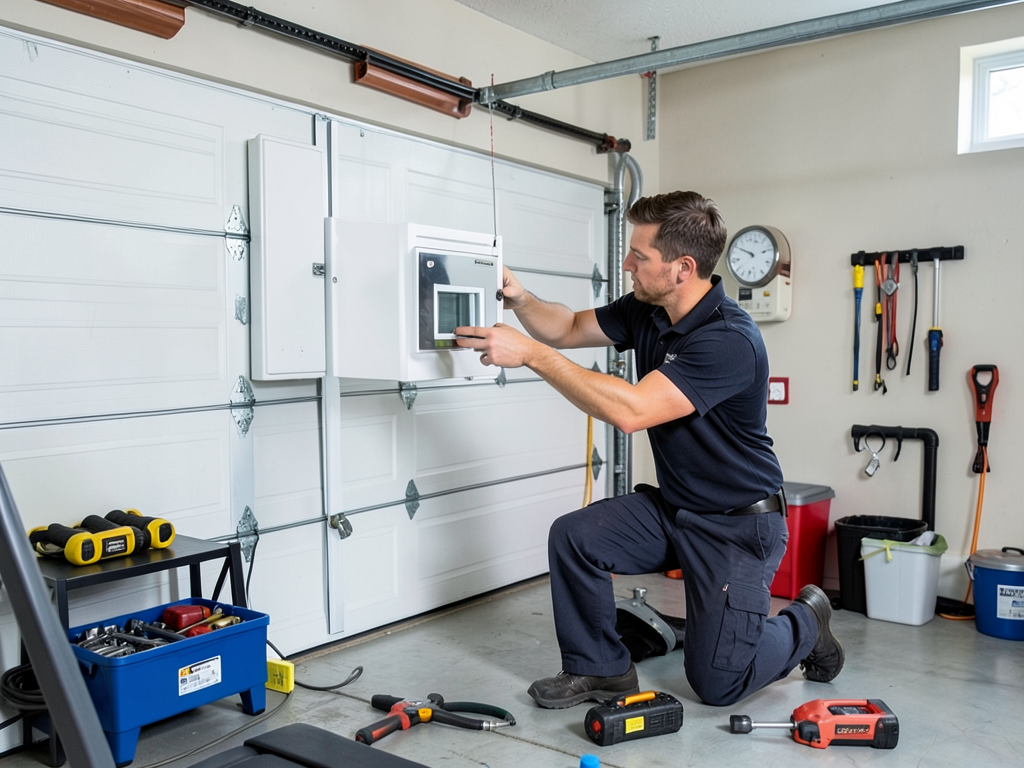
Beating the Riverside Heat: The Ultimate Guide to Garage Gym Cooling Solutions Living in Riverside means dealing with summer temperatures that regularly exceed 100°F, and your garage can become an unbearable 120°F oven. That heat…
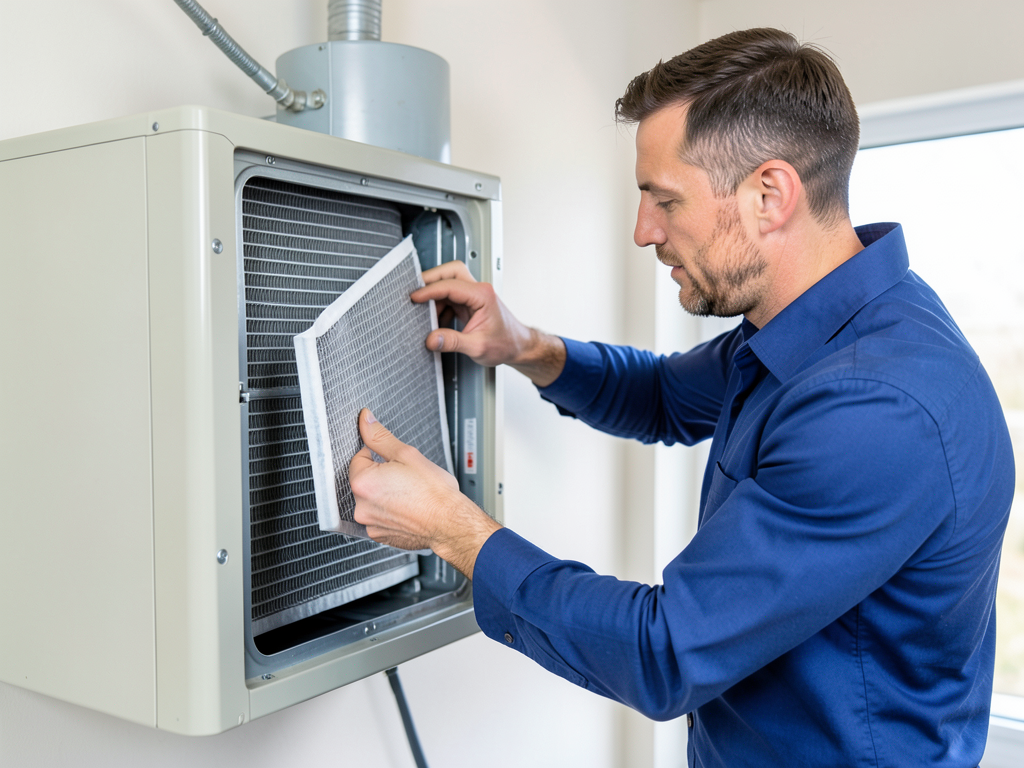
Simple HVAC Maintenance for UCR Students Living in Off Campus Housing Riverside summers can hit…
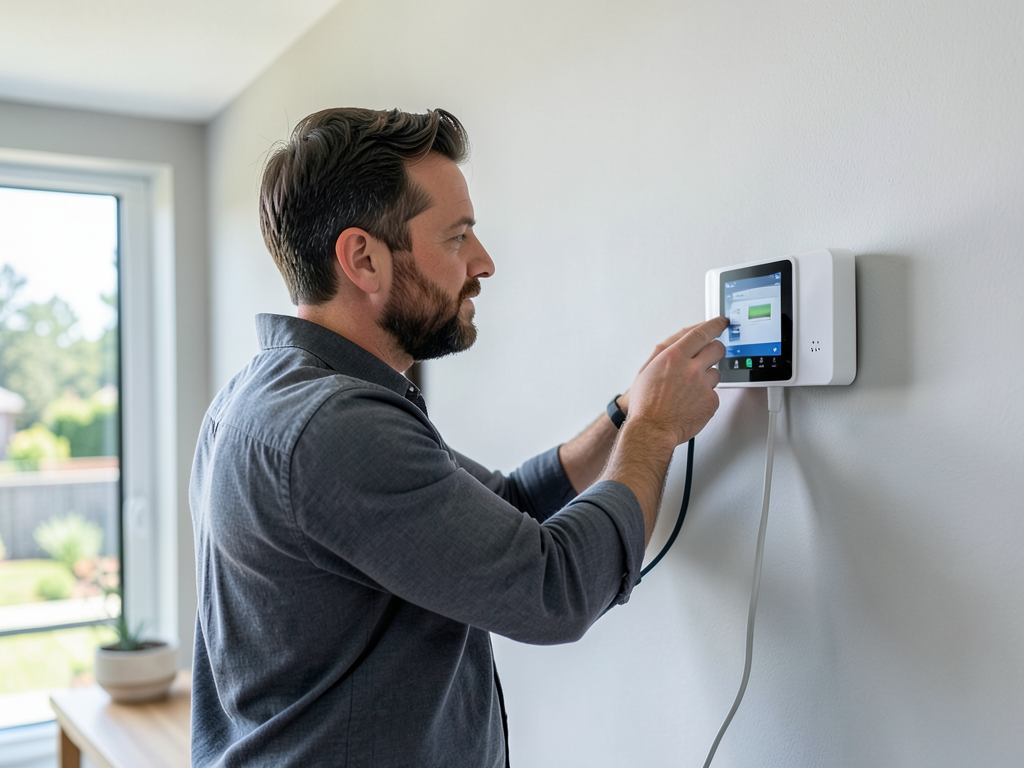
Why Your Smart Thermostat Settings Might Be Wasting Money in the Riverside Climate The Inland…
Is Your Current Riverside Air Conditioner Energy Efficient Enough to Run on Solar Power? Your…
Your comfort matters. Call Horizon HVAC Riverside now at (951) 223-9644 for same-day service. We answer emergency calls 24/7 and provide upfront pricing before starting any work. Let us solve your heating and cooling problems today.